
How well do you know Canada beyond maple syrup and hockey? These 120 trivia questions travel from Atlantic fishing villages to the Rockies, the Great Lakes, Quebec, the Prairies, the Arctic, provincial capitals, national symbols, history, languages, sports, food, inventions, and famous landmarks.
Some are easy. Others may have you apologizing to your trivia score.
Why Canada Makes Great Trivia
Canada is enormous, geographically varied, officially bilingual at the federal level, and divided into ten provinces and three territories, each with its own capital. Its history connects Indigenous nations, French and British colonization, Confederation, immigration, Arctic sovereignty, and a distinctive mix of regional identities.
Core civic facts here use the Government of Canada. For more geography, try our geography trivia, world capitals trivia, and United States trivia.
Canada Basics
Q: What is the capital of Canada?
A: Ottawa.
Q: How many provinces does Canada have?
A: Ten.
Q: How many territories does Canada have?
A: Three.
Q: How many provinces and territories does Canada have in total?
A: Thirteen.
Q: What are Canada's two official languages at the federal level?
A: English and French.
Q: What currency does Canada use?
A: The Canadian dollar.
Q: What symbol commonly precedes Canadian dollar amounts?
A: The dollar sign, often distinguished internationally as C$ or CAD.
Q: What is Canada's largest city by population?
A: Toronto.
Q: What province is Toronto in?
A: Ontario.
Q: What province is Ottawa in?
A: Ontario.
Q: Is Toronto the capital of Canada?
A: No. Ottawa is the national capital.
Q: What ocean borders Canada to the east?
A: The Atlantic Ocean.
Q: What ocean borders Canada to the west?
A: The Pacific Ocean.
Q: What ocean borders Canada to the north?
A: The Arctic Ocean.
Q: What country shares Canada's only land border?
A: The United States.
The Ten Provinces
Q: What is the capital of Ontario?
A: Toronto.
Q: What is the capital of Quebec?
A: Quebec City.
Q: What is the capital of British Columbia?
A: Victoria.
Q: What is the capital of Alberta?
A: Edmonton.
Q: What is the capital of Saskatchewan?
A: Regina.
Q: What is the capital of Manitoba?
A: Winnipeg.
Q: What is the capital of New Brunswick?
A: Fredericton.
Q: What is the capital of Nova Scotia?
A: Halifax.
Q: What is the capital of Prince Edward Island?
A: Charlottetown.
Q: What is the capital of Newfoundland and Labrador?
A: St. John's.
Q: Which province is Canada's most populous?
A: Ontario.
Q: Which province is the largest by land area?
A: Quebec.
Q: Which province is Canada's smallest by land area?
A: Prince Edward Island.
Q: Which province is officially bilingual under its provincial constitution?
A: New Brunswick.
Q: Which province joined Confederation most recently?
A: Newfoundland joined Canada in 1949 and was later renamed Newfoundland and Labrador.
The Territories & Canada's North
Q: What are Canada's three territories?
A: Yukon, Northwest Territories, and Nunavut.
Q: What is the capital of Yukon?
A: Whitehorse.
Q: What is the capital of the Northwest Territories?
A: Yellowknife.
Q: What is the capital of Nunavut?
A: Iqaluit.
Q: What is Canada's largest territory by area?
A: Nunavut.
Q: In what year was Nunavut created as a separate territory?
A: 1999.
Q: What Indigenous people form the large majority of Nunavut's population?
A: Inuit.
Q: What language is widely spoken in Nunavut and has official status there?
A: Inuktitut, alongside other official languages.
Q: What famous gold rush is associated with Yukon?
A: The Klondike Gold Rush.
Q: What Yukon town became famous during the Klondike Gold Rush?
A: Dawson City.
Q: What natural light display can often be seen in Canada's northern skies?
A: The aurora borealis, or northern lights.
Q: What large inland body of water lies near Yellowknife?
A: Great Slave Lake.
Q: What enormous island in Nunavut is the largest island in Canada?
A: Baffin Island.
Q: What Arctic passage through Canada's northern archipelago historically attracted explorers seeking a route between oceans?
A: The Northwest Passage.
Q: Why are the territories constitutionally different from provinces?
A: Provincial powers derive directly from the Constitution, while territorial powers are delegated by the federal government and have increasingly been devolved.
Mountains, Lakes, Rivers & Geography
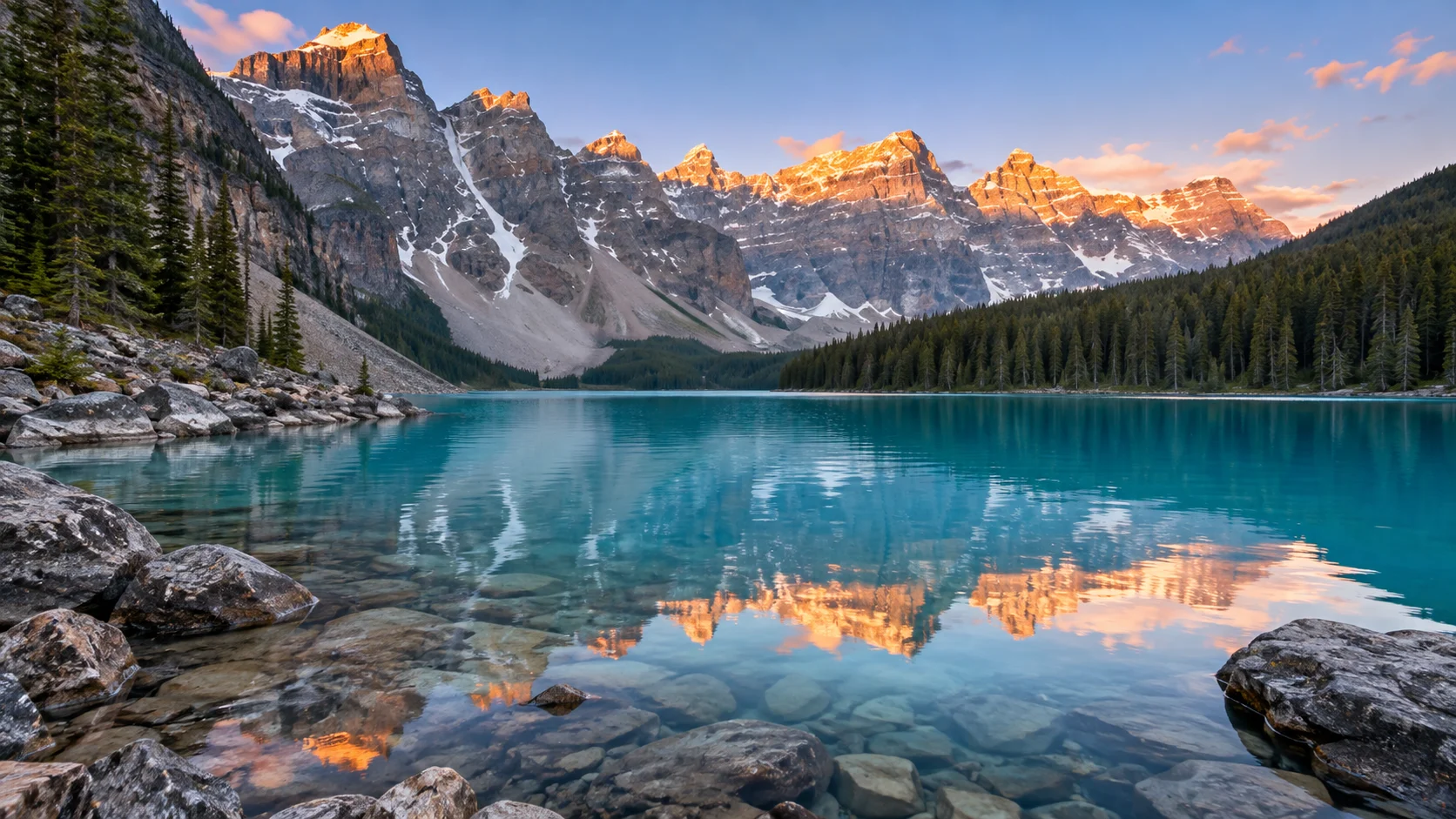
Q: What major mountain range runs through western Canada?
A: The Rocky Mountains.
Q: What is Canada's highest mountain?
A: Mount Logan.
Q: In what territory is Mount Logan located?
A: Yukon.
Q: What five enormous lakes straddle the Canada-U.S. region?
A: The Great Lakes.
Q: Which Great Lake lies entirely within the United States rather than sharing shoreline with Canada?
A: Lake Michigan.
Q: What river connects the Great Lakes to the Atlantic Ocean?
A: The St. Lawrence River.
Q: What famous waterfalls straddle Ontario and New York State?
A: Niagara Falls.
Q: What Canadian waterfall in the Niagara complex has a curved horseshoe shape?
A: Horseshoe Falls.
Q: What enormous bay cuts deep into central-eastern Canada?
A: Hudson Bay.
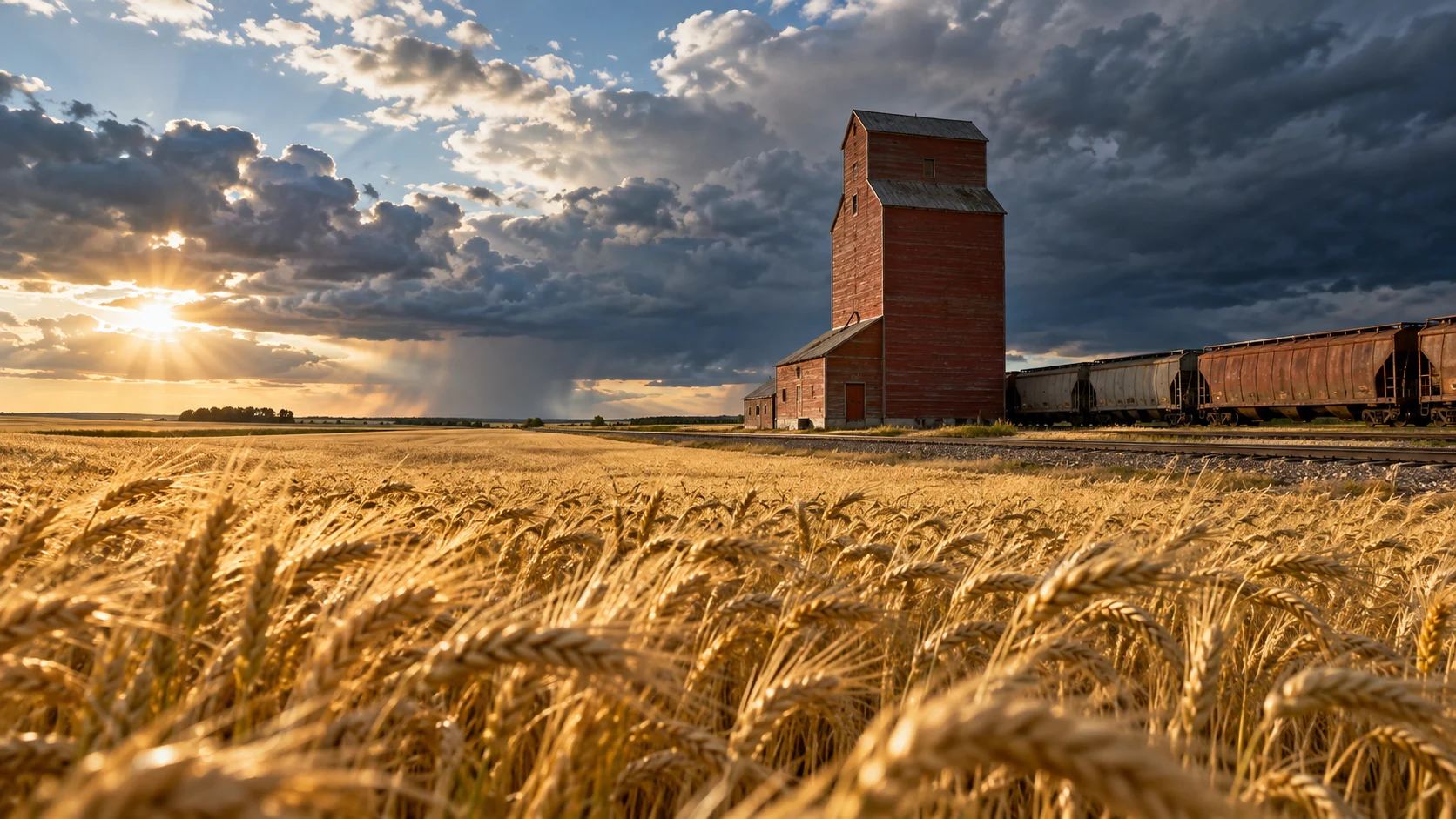
Q: What prairie provinces occupy much of Canada's central agricultural plains?
A: Alberta, Saskatchewan, and Manitoba.
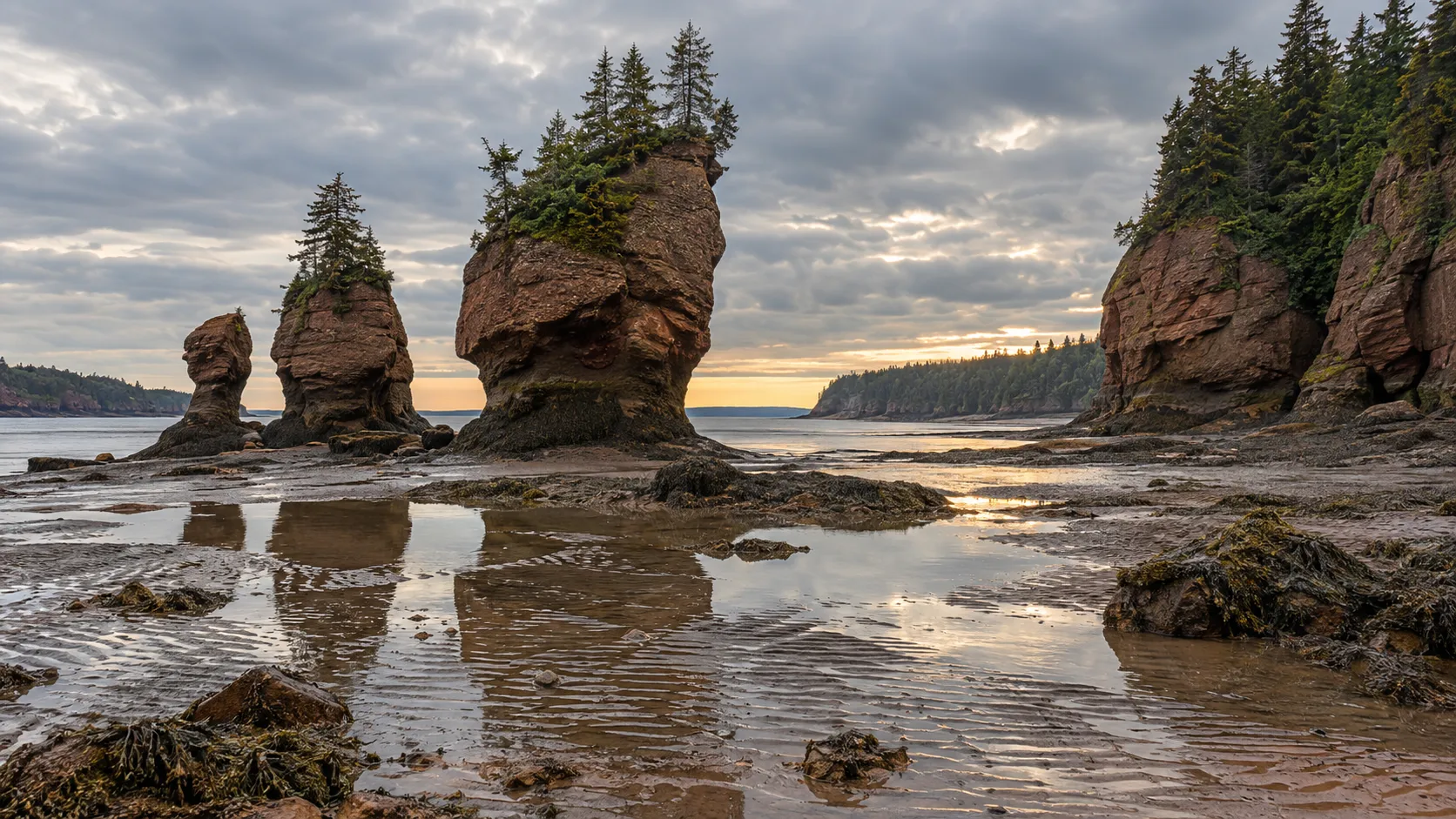
Q: What province is famous for the Bay of Fundy?
A: New Brunswick shares the bay with Nova Scotia.
Q: What is the Bay of Fundy famous for?
A: Extremely large tidal ranges.
Q: What island province sits in the Gulf of St. Lawrence?
A: Prince Edward Island.
Q: What province includes Vancouver Island?
A: British Columbia.
Q: What geographic superlative is Canada famous for regarding its shores?
A: It has the world's longest coastline.
Canadian History & Confederation
Q: In what year did Canadian Confederation begin?
A: 1867.
Q: On what date is Canada Day celebrated?
A: July 1.
Q: What four provinces formed the original Dominion of Canada in 1867?
A: Ontario, Quebec, New Brunswick, and Nova Scotia.
Q: What document created the Dominion of Canada in 1867?
A: The British North America Act, now called the Constitution Act, 1867.
Q: Who is often called Canada's first prime minister?
A: Sir John A. Macdonald.
Q: What city hosted the 1864 conference that helped lay groundwork for Confederation?
A: Charlottetown.
Q: What transcontinental railway became central to uniting the young country?
A: The Canadian Pacific Railway.
Q: In what year did British Columbia join Confederation?
A: 1871.
Q: What promise helped persuade British Columbia to join Canada?
A: A transcontinental railway connection.
Q: In what year did Prince Edward Island join Canada?
A: 1873.
Q: In what year did Newfoundland join Canada?
A: 1949.
Q: What European powers competed for territory in what became Canada?
A: France and Britain were the principal colonial rivals.
Q: What large French-speaking province reflects New France's historical legacy?
A: Quebec.
Q: What Indigenous peoples lived across the land long before European colonization?
A: First Nations, Inuit, and Métis peoples have distinct histories, cultures, and communities across Canada.
Q: Why is Canada's history not accurately told as beginning in 1867?
A: Indigenous societies existed for thousands of years before Confederation, and centuries of colonial history preceded the modern federation.
Flags, Symbols & Canadian Identity
Q: What leaf appears on Canada's national flag?
A: A maple leaf.
Q: What colors are on the Canadian flag?
A: Red and white.
Q: In what year was the current maple-leaf flag inaugurated?
A: 1965.
Q: What animal is an official symbol of Canada and appears on the five-cent coin?
A: The beaver.
Q: What is Canada's national anthem?
A: "O Canada."
Q: What red-uniformed federal police force is one of Canada's most recognizable institutions?
A: The Royal Canadian Mounted Police.
Q: What abbreviation is commonly used for the Royal Canadian Mounted Police?
A: RCMP.
Q: What is pictured on the Canadian one-dollar coin that gives it its nickname?
A: A common loon, giving the coin the nickname "loonie."
Q: What is the Canadian two-dollar coin nicknamed?
A: The toonie.
Q: What sweet product is strongly associated with Canadian maple trees?
A: Maple syrup.
Q: What hockey trophy is one of Canada's most famous sports symbols?
A: The Stanley Cup.
Q: What sport is Canada's official national winter sport?
A: Ice hockey.
Q: What sport is Canada's official national summer sport?
A: Lacrosse.
Q: What tartan-style garment symbolizes Scottish heritage in parts of Canada?
A: Kilts and tartans appear in many communities, though they are regional cultural traditions rather than a single national symbol.
Q: Why do Canadian symbols often reflect both nature and political history?
A: Maple trees, wildlife, waterways, the Crown, Indigenous traditions, bilingualism, and regional histories all shape national identity.
Food, Culture, Sports & Famous Canadian Things
Q: What Quebec dish combines fries, cheese curds, and gravy?
A: Poutine.
Q: What sweet dessert bar associated with British Columbia is named for a city?
A: The Nanaimo bar.
Q: What pastry has a filling resembling a sweet custard mixture and is named after a dairy product?
A: Butter tart.
Q: What fried dough treat is marketed under a name associated with a large Canadian rodent?
A: BeaverTails.
Q: What fast-food coffee chain began in Canada and is associated with a famous hockey player?
A: Tim Hortons.
Q: What sport is Wayne Gretzky famous for?
A: Ice hockey.
Q: What nickname is Wayne Gretzky widely known by?
A: The Great One.
Q: What Canadian city hosts the Hockey Hall of Fame?
A: Toronto.
Q: What sport did Canadian James Naismith invent?
A: Basketball.
Q: Where was basketball invented despite Naismith being Canadian?
A: Springfield, Massachusetts, in the United States.
Q: What communication invention is strongly connected with Canadian inventor Alexander Graham Bell?
A: The telephone, developed through work on both sides of the Canada-U.S. border.
Q: What superhero actor was born in Vancouver and later played Deadpool?
A: Ryan Reynolds.
Q: What globally famous singer from Ontario recorded albums including Jagged Little Pill?
A: Alanis Morissette.
Q: What French-speaking Canadian city is famous for comedy, jazz, and major festivals?
A: Montreal.
Q: What makes Canadian culture difficult to reduce to one stereotype?
A: Canada contains Indigenous nations, English and French traditions, immigrant communities, Arctic cultures, regional identities, and enormous geographic differences.
Hard Canada Challenge
Q: Which province has Quebec City as its capital even though Montreal is larger?
A: Quebec.
Q: Which province has Victoria as its capital even though Vancouver is larger?
A: British Columbia.
Q: Which province has Edmonton as its capital even though Calgary is another major city?
A: Alberta.
Q: Which province has Regina as its capital?
A: Saskatchewan.
Q: Which territory has Iqaluit as its capital?
A: Nunavut.
Q: What is the only officially bilingual province in Canada?
A: New Brunswick.
Q: What are Canada's three Prairie Provinces?
A: Alberta, Saskatchewan, and Manitoba.
Q: What are Canada's four Atlantic provinces?
A: New Brunswick, Nova Scotia, Prince Edward Island, and Newfoundland and Labrador.
Q: Which four provinces began Confederation in 1867?
A: Ontario, Quebec, New Brunswick, and Nova Scotia.
Q: Which province is an island?
A: Prince Edward Island is entirely on islands, chiefly Prince Edward Island itself.
Q: Which province contains Labrador on the mainland and Newfoundland as a major island?
A: Newfoundland and Labrador.
Q: Which Canadian city sits across the Ottawa River from Gatineau, Quebec?
A: Ottawa, Ontario.
Q: Which territory was carved largely from the Northwest Territories in 1999?
A: Nunavut.
Q: What makes Canada's border geography unusual?
A: It shares the world's longest international land boundary with the United States, including a separate border between Alaska and northwestern Canada.
Q: Why is Canada especially deep trivia material?
A: Thirteen provincial and territorial governments, three oceans, Arctic geography, Indigenous histories, bilingual institutions, regional food, huge cities, tiny communities, sports, immigration, and centuries of political change create an enormous range of questions.
How Did You Score?
If Iqaluit, Fredericton, Mount Logan, the original four provinces, the difference between a province and territory, and both official national sports all came easily, your Canada trivia is looking pretty strong, eh?
Keep traveling with our geography trivia, world capitals trivia, and United States trivia.

Ellie Simons creates and edits Random Trivia. She researches trivia using primary and authoritative sources whenever possible and is currently reviewing the site's older trivia library for accuracy, clarity, and playability. Read more on the About page.
About this quiz
Site editor: Ellie Simons. Read our Trivia Methodology to learn how questions are researched and updated. Page last updated: . Report an error.