
The solar system starts with eight planets, then immediately gets crowded with dwarf planets, moons, rings, rocks, ice, and one star doing almost all the heavy lifting. These 120 questions sort out the neighborhood without making you calculate an orbit.
The Sun & Inner Planets
Q: What star contains about 99.8 percent of the solar system’s mass?
A: The Sun.
Q: Which fact about the Sun is accurate?
A: It contains about 99.8 percent of the solar system’s mass.
Q: What planet is closest to the Sun and completes the shortest year?
A: Mercury.
Q: Which fact about Mercury is accurate?
A: It is closest to the Sun and completes the shortest year.
Q: What planet has the hottest average surface despite not being closest to the Sun?
A: Venus.
Q: Which fact about Venus is accurate?
A: It has the hottest average surface despite not being closest to the Sun.
Q: What planet is the only world known to support life?
A: Earth.
Q: Which fact about Earth is accurate?
A: It is the only world known to support life.
Q: What planet is called the Red Planet because iron minerals oxidize in its soil?
A: Mars.
Q: Which fact about Mars is accurate?
A: It is called the Red Planet because iron minerals oxidize in its soil.
Q: What planet is the largest planet in the solar system?
A: Jupiter.
Q: Which fact about Jupiter is accurate?
A: It is the largest planet in the solar system.
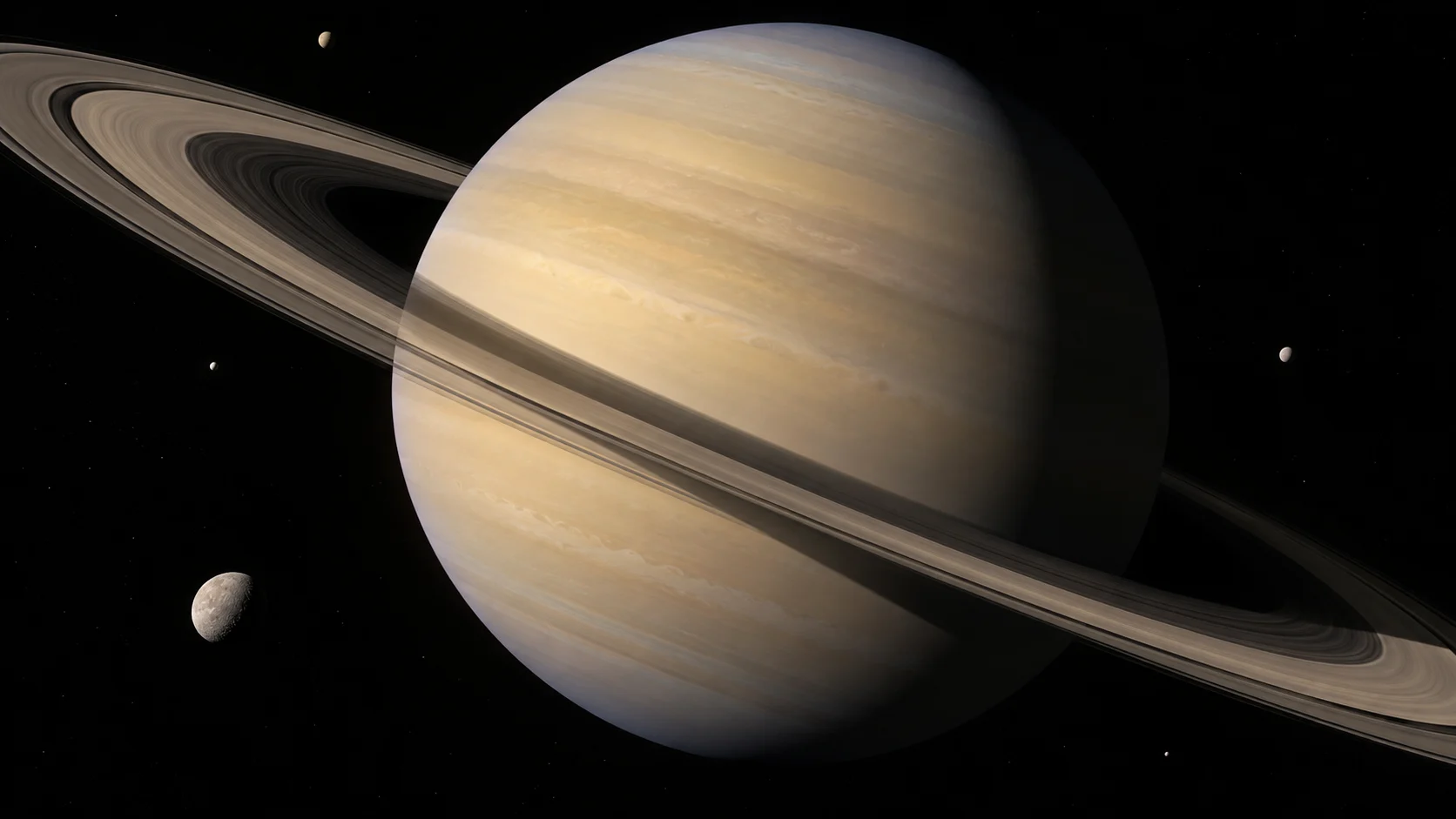
Q: What planet has the most conspicuous ring system?
A: Saturn.
Q: Which fact about Saturn is accurate?
A: It has the most conspicuous ring system.
Q: What planet rotates on its side with an axial tilt near 98 degrees?
A: Uranus.
Q: Which fact about Uranus is accurate?
A: It rotates on its side with an axial tilt near 98 degrees.
Q: What planet is the farthest major planet from the Sun?
A: Neptune.
Q: Which fact about Neptune is accurate?
A: It is the farthest major planet from the Sun.
Q: What dwarf planet was reclassified as a dwarf planet in 2006?
A: Pluto.
Q: Which fact about Pluto is accurate?
A: It was reclassified as a dwarf planet in 2006.
Q: What dwarf planet is the largest object in the main asteroid belt?
A: Ceres.
Q: Which fact about Ceres is accurate?
A: It is the largest object in the main asteroid belt.
Q: What dwarf planet helped trigger the debate that led to Pluto’s reclassification?
A: Eris.
Q: Which fact about Eris is accurate?
A: It helped trigger the debate that led to Pluto’s reclassification.
Q: What dwarf planet has an elongated shape and a ring?
A: Haumea.
Q: Which fact about Haumea is accurate?
A: It has an elongated shape and a ring.
Q: What dwarf planet orbits in the Kuiper Belt beyond Neptune?
A: Makemake.
Q: Which fact about Makemake is accurate?
A: It orbits in the Kuiper Belt beyond Neptune.
Q: What region lies mainly between Mars and Jupiter?
A: The asteroid belt.
Q: Which fact about the asteroid belt is accurate?
A: It lies mainly between Mars and Jupiter.
Outer Planets & Dwarf Planets
Q: What region contains many icy bodies beyond Neptune?
A: The Kuiper Belt.
Q: Which fact about the Kuiper Belt is accurate?
A: It contains many icy bodies beyond Neptune.
Q: What hypothetical region is thought to be a distant source of long-period comets?
A: The Oort Cloud.
Q: Which fact about the Oort Cloud is accurate?
A: It is thought to be a distant source of long-period comets.
Q: What small body develops a coma and tails when heated near the Sun?
A: A comet.
Q: Which fact about a comet is accurate?
A: It develops a coma and tails when heated near the Sun.
Q: What small body is a rocky or metallic object orbiting the Sun?
A: An asteroid.
Q: Which fact about an asteroid is accurate?
A: It is a rocky or metallic object orbiting the Sun.
Q: What small body is a natural space rock smaller than an asteroid?
A: A meteoroid.
Q: Which fact about a meteoroid is accurate?
A: It is a natural space rock smaller than an asteroid.
Q: What phenomenon is the streak of light produced when a meteoroid enters an atmosphere?
A: A meteor.
Q: Which fact about a meteor is accurate?
A: It is the streak of light produced when a meteoroid enters an atmosphere.
Q: What object is material from space that survives to reach the ground?
A: A meteorite.
Q: Which fact about a meteorite is accurate?
A: It is material from space that survives to reach the ground.
Q: What distance equals Earth’s average distance from the Sun?
A: An astronomical unit.
Q: Which fact about an astronomical unit is accurate?
A: It equals Earth’s average distance from the Sun.
Q: What distance is the distance light travels in one year?
A: A light-year.
Q: Which fact about a light-year is accurate?
A: It is the distance light travels in one year.
Q: What plane is the apparent path of the Sun and approximate plane of planetary orbits?
A: The ecliptic.
Q: Which fact about the ecliptic is accurate?
A: It is the apparent path of the Sun and approximate plane of planetary orbits.
Q: What orbital motion travels in the same general direction as most planets orbit the Sun?
A: Prograde motion.
Q: Which fact about prograde motion is accurate?
A: It travels in the same general direction as most planets orbit the Sun.
Q: What rotation spins opposite the direction used by most planets?
A: Retrograde rotation.
Q: Which fact about retrograde rotation is accurate?
A: It spins opposite the direction used by most planets.
Q: What force keeps planets and smaller bodies in orbit?
A: Gravity.
Q: Which fact about gravity is accurate?
A: It keeps planets and smaller bodies in orbit.
Q: What process builds larger bodies through collisions and gravitational gathering?
A: Accretion.
Q: Which fact about accretion is accurate?
A: It builds larger bodies through collisions and gravitational gathering.
Q: What early structure was the rotating cloud from which the solar system formed?
A: The solar nebula.
Q: Which fact about the solar nebula is accurate?
A: It was the rotating cloud from which the solar system formed.
Moons, Belts & Small Bodies
Q: What age is the approximate age of the solar system?
A: 4.6 billion years.
Q: Which fact about 4.6 billion years is accurate?
A: It is the approximate age of the solar system.
Q: What planet class is a rocky inner world such as Earth or Mars?
A: A terrestrial planet.
Q: Which fact about a terrestrial planet is accurate?
A: It is a rocky inner world such as Earth or Mars.
Q: What planet class is a massive planet dominated by hydrogen and helium?
A: A gas giant.
Q: Which fact about a gas giant is accurate?
A: It is a massive planet dominated by hydrogen and helium.
Q: What planet class describes Uranus or Neptune and their richer heavy-element composition?
A: An ice giant.
Q: Which fact about an ice giant is accurate?
A: It describes Uranus or Neptune and their richer heavy-element composition.
Q: What storm is Jupiter’s enormous long-lived atmospheric vortex?
A: The Great Red Spot.
Q: Which fact about the Great Red Spot is accurate?
A: It is Jupiter’s enormous long-lived atmospheric vortex.
Q: What volcano is the giant shield volcano on Mars?
A: Olympus Mons.
Q: Which fact about Olympus Mons is accurate?
A: It is the giant shield volcano on Mars.
Q: What canyon system is the enormous canyon network on Mars?
A: Valles Marineris.
Q: Which fact about Valles Marineris is accurate?
A: It is the enormous canyon network on Mars.
Q: What storm feature was a Neptune storm observed by Voyager 2?
A: The Great Dark Spot.
Q: Which fact about the Great Dark Spot is accurate?
A: It was a Neptune storm observed by Voyager 2.
Q: What storm feature is the six-sided jet-stream pattern around Saturn’s north pole?
A: The hexagon.
Q: Which fact about the hexagon is accurate?
A: It is the six-sided jet-stream pattern around Saturn’s north pole.
Q: What moon is the solar system’s fifth-largest natural satellite?
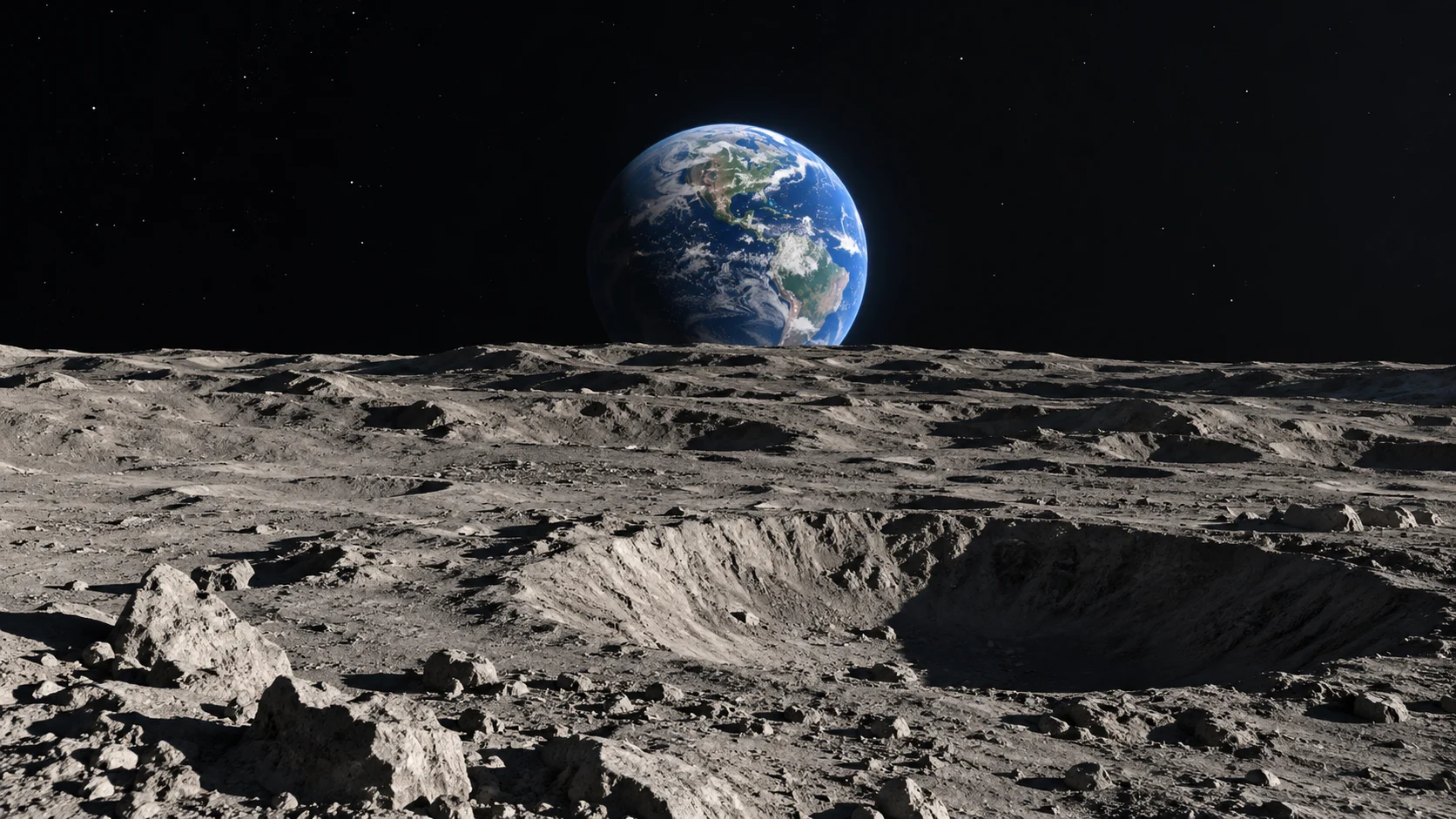
A: Earth’s Moon.
Q: Which fact about Earth’s Moon is accurate?
A: It is the solar system’s fifth-largest natural satellite.
Q: What moon is the largest moon in the solar system?
A: Ganymede.
Q: Which fact about Ganymede is accurate?
A: It is the largest moon in the solar system.
Q: What moon has a thick atmosphere and lakes of liquid hydrocarbons?
A: Titan.
Q: Which fact about Titan is accurate?
A: It has a thick atmosphere and lakes of liquid hydrocarbons.
Q: What moon likely hides a salty ocean beneath its icy crust?
A: Europa.
Q: Which fact about Europa is accurate?
A: It likely hides a salty ocean beneath its icy crust.
Q: What moon is the most volcanically active world known?
A: Io.
Q: Which fact about Io is accurate?
A: It is the most volcanically active world known.
Q: What moon has an ancient, heavily cratered surface?
A: Callisto.
Q: Which fact about Callisto is accurate?
A: It has an ancient, heavily cratered surface.
Solar Weather, Spacecraft & Hard Solar System Trivia
Q: What moon sprays water-rich plumes from fractures near its south pole?
A: Enceladus.
Q: Which fact about Enceladus is accurate?
A: It sprays water-rich plumes from fractures near its south pole.
Q: What moon orbits Neptune backward relative to the planet’s rotation?
A: Triton.
Q: Which fact about Triton is accurate?
A: It orbits Neptune backward relative to the planet’s rotation.
Q: What moon is the larger and closer of Mars’s two moons?
A: Phobos.
Q: Which fact about Phobos is accurate?
A: It is the larger and closer of Mars’s two moons.
Q: What moon is the smaller and more distant moon of Mars?
A: Deimos.
Q: Which fact about Deimos is accurate?
A: It is the smaller and more distant moon of Mars.
Q: What distance marks where tidal forces can tear apart a weak orbiting body?
A: The Roche limit.
Q: Which fact about the Roche limit is accurate?
A: It marks where tidal forces can tear apart a weak orbiting body.
Q: What structure is a disk of countless particles orbiting a planet?
A: A planetary ring.
Q: Which fact about a planetary ring is accurate?
A: It is a disk of countless particles orbiting a planet.
Q: What region is the bubble carved by the solar wind around the Sun?
A: The heliosphere.
Q: Which fact about the heliosphere is accurate?
A: It is the bubble carved by the solar wind around the Sun.
Q: What boundary is where the solar wind meets interstellar space?
A: The heliopause.
Q: Which fact about the heliopause is accurate?
A: It is where the solar wind meets interstellar space.
Q: What particle flow streams outward from the Sun’s upper atmosphere?
A: The solar wind.
Q: Which fact about the solar wind is accurate?
A: It streams outward from the Sun’s upper atmosphere.
Q: What solar feature is a cooler, darker region with intense magnetic fields?
A: A sunspot.
Q: Which fact about a sunspot is accurate?
A: It is a cooler, darker region with intense magnetic fields.
Q: What solar event is a sudden release of electromagnetic energy?
A: A solar flare.
Q: Which fact about a solar flare is accurate?
A: It is a sudden release of electromagnetic energy.
Q: What solar event throws magnetized plasma into space?
A: A coronal mass ejection.
Q: Which fact about a coronal mass ejection is accurate?
A: It throws magnetized plasma into space.
Q: What spacecraft is the most distant human-made object from Earth?
A: Voyager 1.
Q: Which fact about Voyager 1 is accurate?
A: It is the most distant human-made object from Earth.
Q: What spacecraft is the only spacecraft to visit Uranus and Neptune?
A: Voyager 2.
Q: Which fact about Voyager 2 is accurate?
A: It is the only spacecraft to visit Uranus and Neptune.
Q: What spacecraft made the first close flyby of Pluto in 2015?
A: New Horizons.
Q: Which fact about New Horizons is accurate?
A: It made the first close flyby of Pluto in 2015.
How Did You Score?
If you separated meteors from meteorites, knew your ice giants, and remembered which Voyager visited Neptune, your solar system map is launch-ready. I still blame Saturn’s rings for making every other planet look underdressed.

Ellie Simons creates and edits Random Trivia. She researches trivia using primary and authoritative sources whenever possible and is currently reviewing the site's older trivia library for accuracy, clarity, and playability. Read more on the About page.
About this quiz
Site editor: Ellie Simons. Read our Trivia Methodology to learn how questions are researched and updated. Page last updated: . Report an error.