
Snow is lovely until it becomes freezing rain, black ice, or the reason I cannot find the driveway. These 120 questions explain what is falling, freezing, drifting, cracking, and occasionally rolling itself into a tiny weather burrito.
How Snow Forms
Q: What is Snow?
A: It is ice crystals that grow in clouds and fall to the ground.
Q: Which form of precipitation is ice crystals that grow in clouds and fall to the ground?
A: Snow.
Q: What is Snowflake?
A: It is one snow crystal or a cluster of snow crystals falling together.
Q: Which ice structure is one snow crystal or a cluster of snow crystals falling together?
A: Snowflake.
Q: What is Ice crystal?
A: It is water molecules arranged in an ordered crystalline lattice.
Q: Which solid structure is water molecules arranged in an ordered crystalline lattice?
A: Ice crystal.
Q: What is Ice nucleation?
A: It is the initial formation of an ice crystal around a particle or existing ice.
Q: Which process is the initial formation of an ice crystal around a particle or existing ice?
A: Ice nucleation.
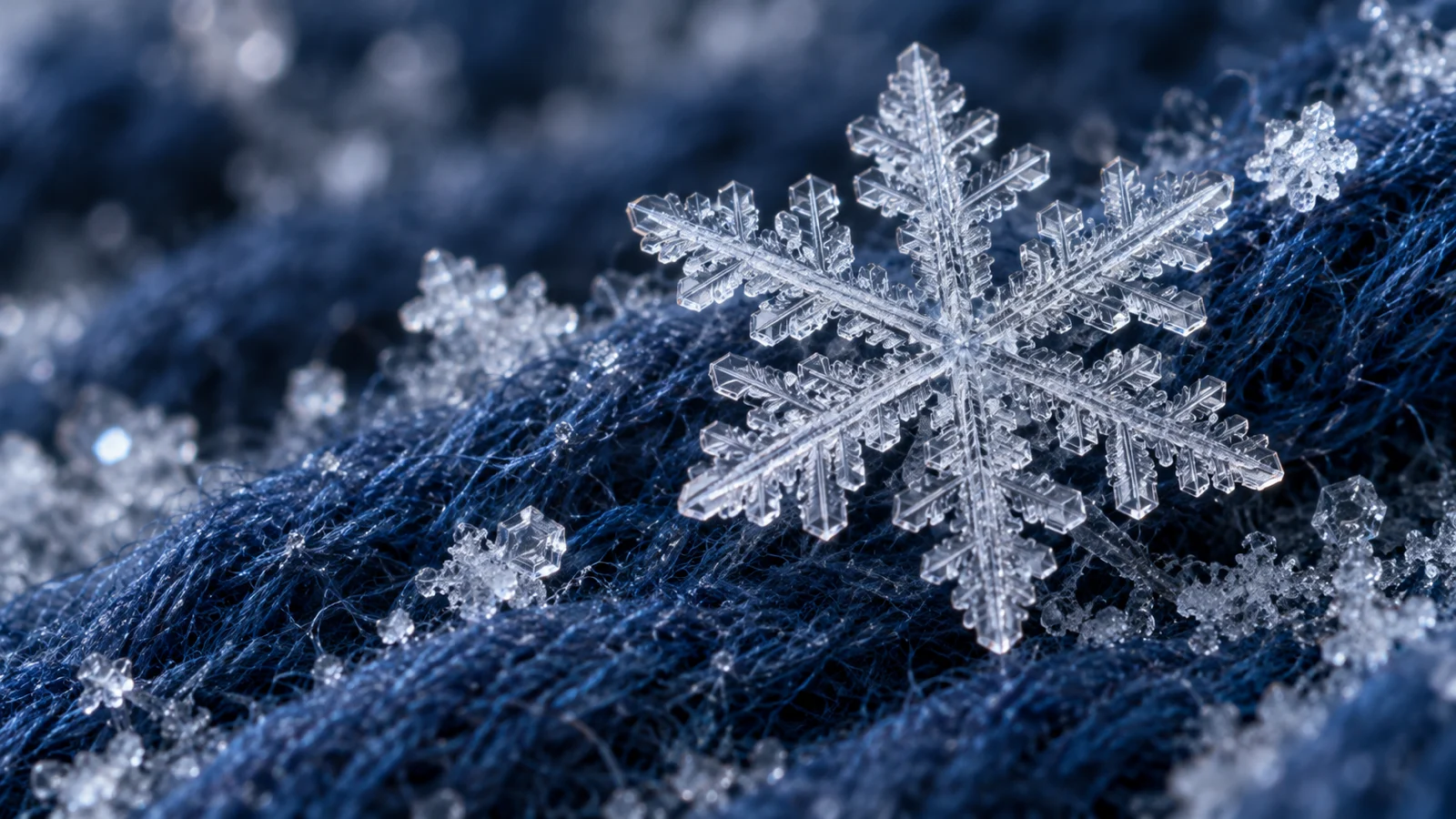
Q: What is Dendrite?
A: It is a branching, tree-like crystal with six main arms.
Q: Which snow crystal is a branching, tree-like crystal with six main arms?
A: Dendrite.
Q: What is Snow plate?
A: It is a thin, flat, hexagonal ice crystal.
Q: Which snow crystal is a thin, flat, hexagonal ice crystal?
A: Snow plate.
Q: What is Snow column?
A: It is a slender, six-sided crystal that can resemble a tiny pencil.
Q: Which snow crystal is a slender, six-sided crystal that can resemble a tiny pencil?
A: Snow column.
Q: What is Graupel?
A: It is soft pellets formed when supercooled droplets freeze onto snow crystals.
Q: Which frozen precipitation is soft pellets formed when supercooled droplets freeze onto snow crystals?
A: Graupel.
Q: What is Sleet?
A: It is ice pellets formed when melted snow refreezes before reaching the ground.
Q: Which frozen precipitation is ice pellets formed when melted snow refreezes before reaching the ground?
A: Sleet.
Q: What is Freezing rain?
A: It is liquid drops that freeze after striking a surface below 32 degrees Fahrenheit.
Q: Which precipitation is liquid drops that freeze after striking a surface below 32 degrees Fahrenheit?
A: Freezing rain.
Q: What is Hail?
A: It is layered ice balls produced inside strong thunderstorm updrafts.
Q: Which frozen precipitation is layered ice balls produced inside strong thunderstorm updrafts?
A: Hail.
Q: What is Powder snow?
A: It is fresh, loose snow with relatively low moisture content.
Q: Which snow condition is fresh, loose snow with relatively low moisture content?
A: Powder snow.
Q: What is Snow crust?
A: It is a firm surface layer created by wind, melting, or refreezing.
Q: Which snow condition is a firm surface layer created by wind, melting, or refreezing?
A: Snow crust.
Q: What is Corn snow?
A: It is coarse spring snow grains produced by repeated melting and refreezing.
Q: Which snow condition is coarse spring snow grains produced by repeated melting and refreezing?
A: Corn snow.
Q: What is Firn?
A: It is dense snow that has survived at least one summer but has not become glacial ice.
Q: Which old snow is dense snow that has survived at least one summer but has not become glacial ice?
A: Firn.
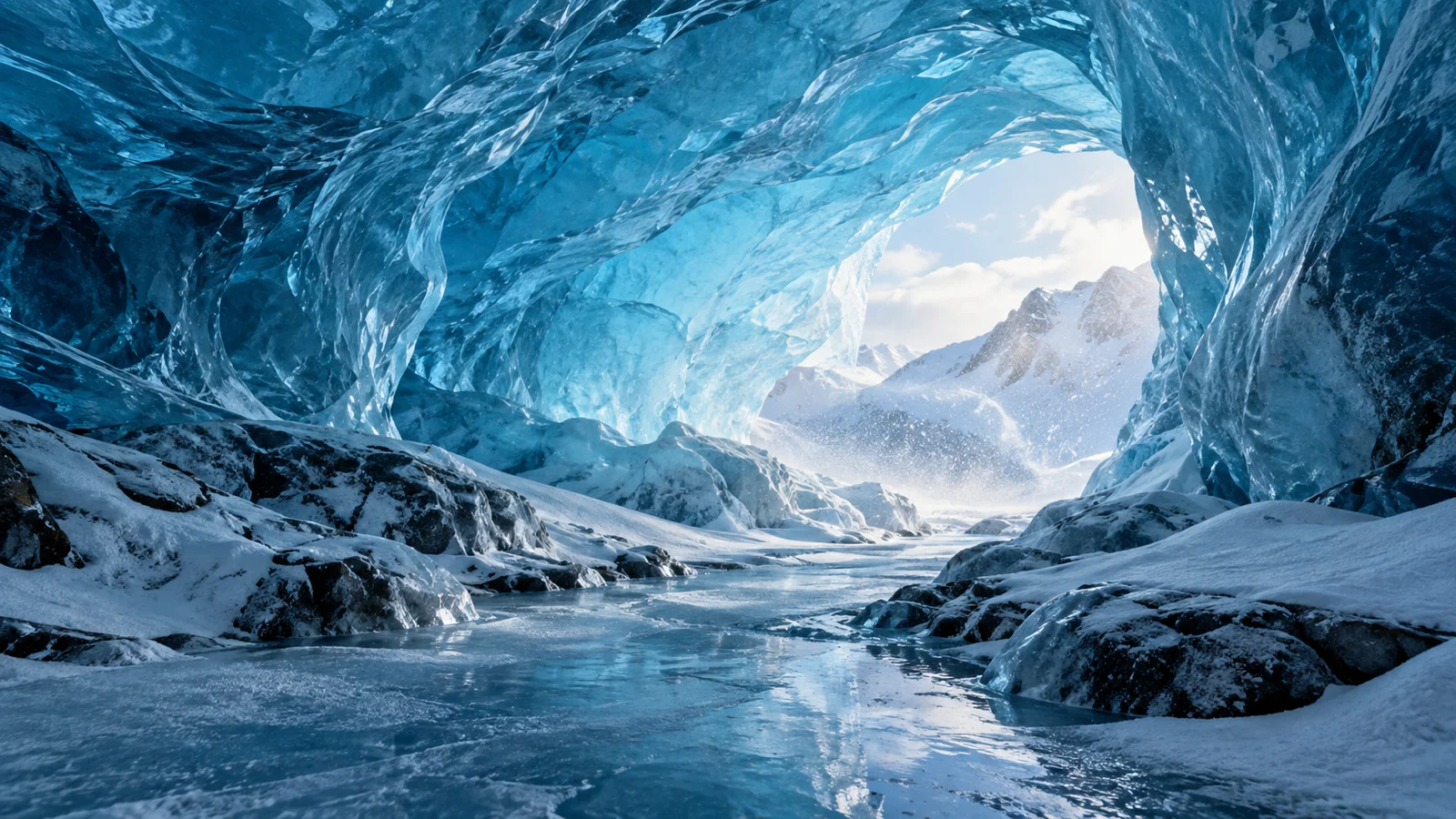
Ice, Frost & Frozen Ground
Q: What is Glacier?
A: It is persistent land ice that deforms and flows under its own weight.
Q: Which ice mass is persistent land ice that deforms and flows under its own weight?
A: Glacier.
Q: What is Ice cap?
A: It is a dome-shaped ice body covering less than about 19,000 square miles.
Q: Which ice mass is a dome-shaped ice body covering less than about 19,000 square miles?
A: Ice cap.
Q: What is Iceberg?
A: It is freshwater ice that has calved from a glacier or ice shelf.
Q: Which floating ice is freshwater ice that has calved from a glacier or ice shelf?
A: Iceberg.
Q: What is Sea ice?
A: It is ocean water that freezes at the surface.
Q: Which frozen water is ocean water that freezes at the surface?
A: Sea ice.
Q: What is Frost?
A: It is ice crystals that form on a cold surface from water vapor.
Q: Which ice deposit is ice crystals that form on a cold surface from water vapor?
A: Frost.
Q: What is Hoarfrost?
A: It is feathery ice crystals deposited directly from humid air.
Q: Which frost type is feathery ice crystals deposited directly from humid air?
A: Hoarfrost.
Q: What is Rime?
A: It is rough ice formed when supercooled fog droplets freeze onto a surface.
Q: Which ice deposit is rough ice formed when supercooled fog droplets freeze onto a surface?
A: Rime.
Q: What is Black ice?
A: It is a thin, transparent glaze that is difficult to see on pavement.
Q: Which road hazard is a thin, transparent glaze that is difficult to see on pavement?
A: Black ice.
Q: What is Permafrost?
A: It is ground that remains at or below 32 degrees Fahrenheit for at least two years.
Q: Which frozen ground is ground that remains at or below 32 degrees Fahrenheit for at least two years?
A: Permafrost.
Q: What is Frost heave?
A: It is upward soil movement caused when growing ice lenses expand beneath the surface.
Q: Which ground process is upward soil movement caused when growing ice lenses expand beneath the surface?
A: Frost heave.
Q: What is Snowpack?
A: It is layers of accumulated snow that persist on the ground.
Q: Which snow cover is layers of accumulated snow that persist on the ground?
A: Snowpack.
Q: What is Avalanche?
A: It is a rapid mass movement of snow down a slope.
Q: Which snow hazard is a rapid mass movement of snow down a slope?
A: Avalanche.
Q: What is Slab avalanche?
A: It is a cohesive plate of snow that fractures and slides as a unit.
Q: Which avalanche type is a cohesive plate of snow that fractures and slides as a unit?
A: Slab avalanche.
Q: What is Loose-snow avalanche?
A: It is a slide that begins at one point and widens downhill.
Q: Which avalanche type is a slide that begins at one point and widens downhill?
A: Loose-snow avalanche.
Q: What is Powder cloud?
A: It is airborne snow that can race ahead of dense avalanche debris.
Q: Which avalanche feature is airborne snow that can race ahead of dense avalanche debris?
A: Powder cloud.
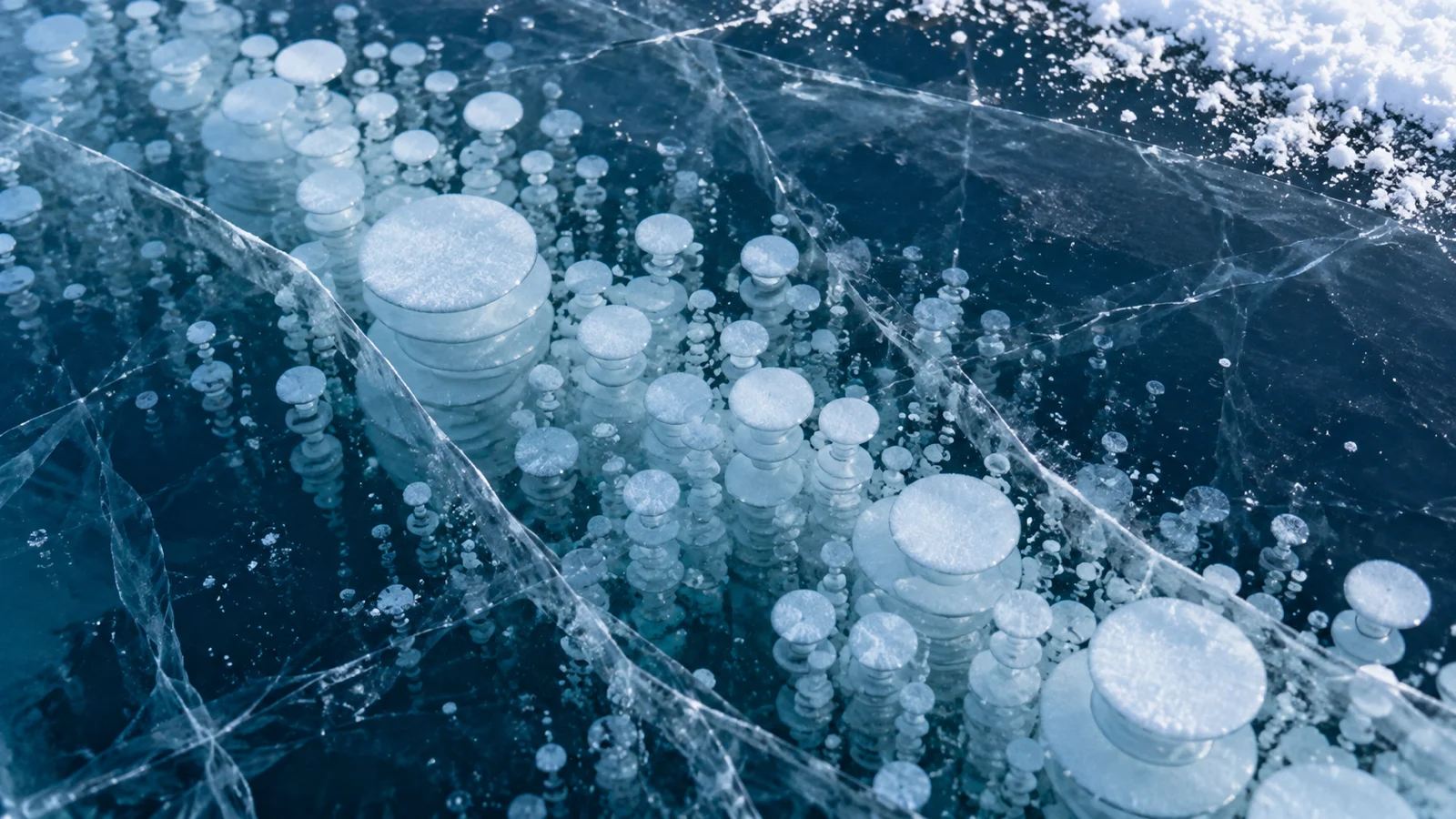
Avalanches, Storms & Snow Measurement
Q: What is Snow cornice?
A: It is an overhanging wind-built ridge along a mountain crest.
Q: Which snow formation is an overhanging wind-built ridge along a mountain crest?
A: Snow cornice.
Q: What is Snow bridge?
A: It is a snow arch concealing a crevasse, stream, or gap.
Q: Which snow formation is a snow arch concealing a crevasse, stream, or gap?
A: Snow bridge.
Q: What is Crevasse?
A: It is a deep crack formed where moving glacier ice stretches.
Q: Which glacier feature is a deep crack formed where moving glacier ice stretches?
A: Crevasse.
Q: What is Sastrugi?
A: It is hard, wind-carved ridges aligned with prevailing winds.
Q: Which snow formation is hard, wind-carved ridges aligned with prevailing winds?
A: Sastrugi.
Q: What is Blizzard?
A: It is a storm with strong winds and blowing snow that sharply reduces visibility.
Q: Which winter storm is a storm with strong winds and blowing snow that sharply reduces visibility?
A: Blizzard.
Q: What is Whiteout?
A: It is a loss of horizon and surface contrast in snow-covered surroundings.
Q: Which visibility condition is a loss of horizon and surface contrast in snow-covered surroundings?
A: Whiteout.
Q: What is Wind chill?
A: It is the rate of heat loss from exposed skin expressed as an equivalent temperature.
Q: Which weather measure is the rate of heat loss from exposed skin expressed as an equivalent temperature?
A: Wind chill.
Q: What is Snow gauge?
A: It is a device used to collect and measure snowfall or melted precipitation.
Q: Which instrument is a device used to collect and measure snowfall or melted precipitation?
A: Snow gauge.
Q: What is Snow water equivalent?
A: It is the depth of liquid water contained in a snowpack.
Q: Which measurement is the depth of liquid water contained in a snowpack?
A: Snow water equivalent.
Q: What is Albedo?
A: It is the fraction of incoming sunlight reflected by a surface.
Q: Which surface property is the fraction of incoming sunlight reflected by a surface?
A: Albedo.
Q: What is Latent heat of fusion?
A: It is the energy absorbed or released when water changes between liquid and solid.
Q: Which energy term is the energy absorbed or released when water changes between liquid and solid?
A: Latent heat of fusion.
Q: What is Water’s freezing point?
A: It is 32 degrees Fahrenheit at standard atmospheric pressure.
Q: Which temperature is 32 degrees Fahrenheit at standard atmospheric pressure?
A: Water’s freezing point.
Q: What is Ice buoyancy?
A: It is the floating of solid water because ice is less dense than liquid water.
Q: Which physical effect is the floating of solid water because ice is less dense than liquid water?
A: Ice buoyancy.
Q: What is Hexagonal symmetry?
A: It is the sixfold geometry created by ordinary ice’s molecular structure.
Q: Which crystal pattern is the sixfold geometry created by ordinary ice’s molecular structure?
A: Hexagonal symmetry.
Q: What is Snowflake individuality?
A: It is the practical observation that complex natural flakes are extraordinarily unlikely to match exactly.
Q: Which common claim is the practical observation that complex natural flakes are extraordinarily unlikely to match exactly?
A: Snowflake individuality.
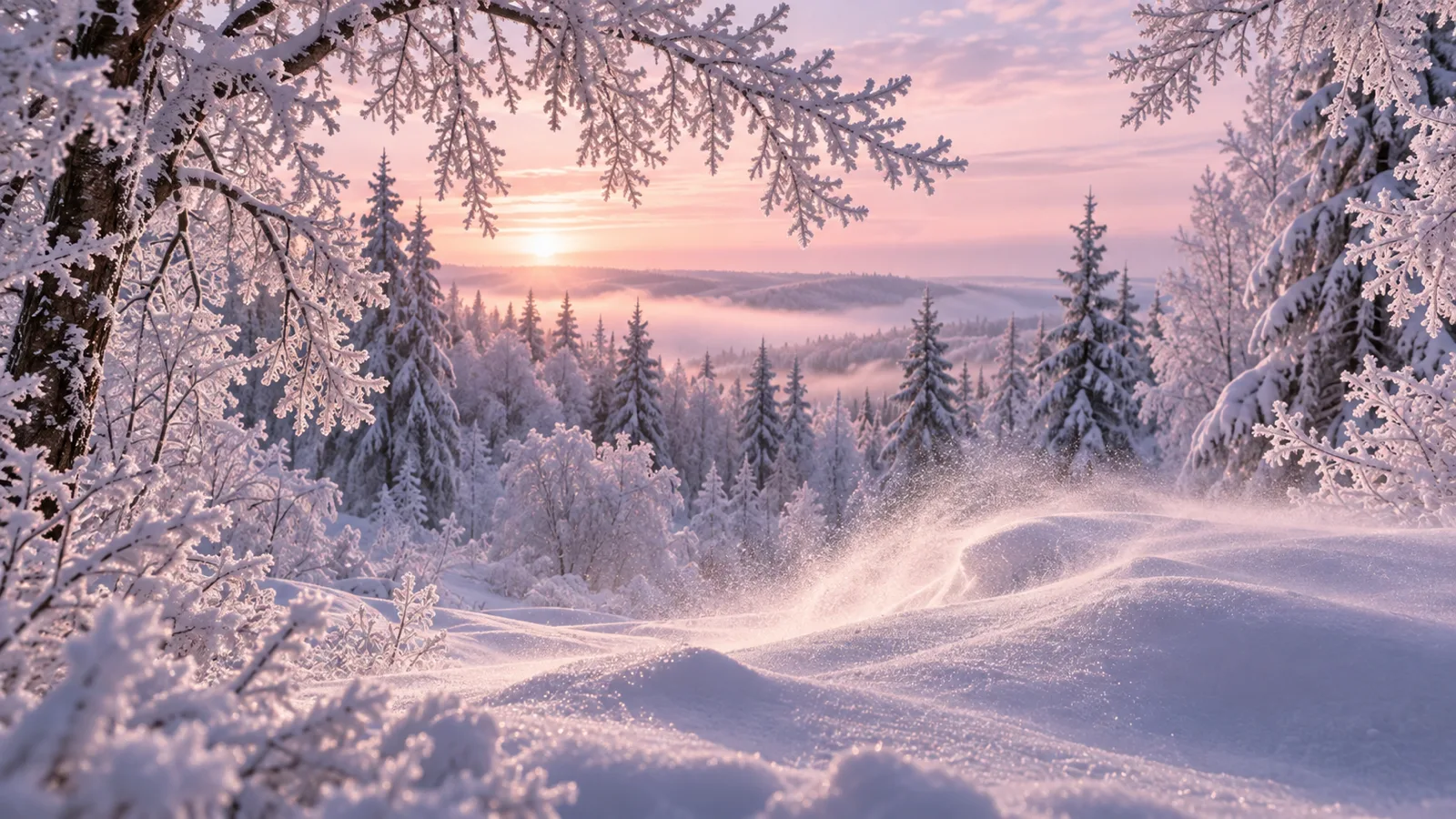
Rare Snow Formations, Safety & Winter Gear
Q: What is Diamond dust?
A: It is tiny ice crystals falling from a nearly clear sky in very cold air.
Q: Which weather phenomenon is tiny ice crystals falling from a nearly clear sky in very cold air?
A: Diamond dust.
Q: What is Thundersnow?
A: It is a snowstorm that also produces thunder and lightning.
Q: Which weather phenomenon is a snowstorm that also produces thunder and lightning?
A: Thundersnow.
Q: What is Lake-effect snow?
A: It is snow created when cold air gains heat and moisture over relatively warmer lake water.
Q: Which weather pattern is snow created when cold air gains heat and moisture over relatively warmer lake water?
A: Lake-effect snow.
Q: What is Snowbelt?
A: It is an area that regularly receives heavy lake-effect or terrain-enhanced snowfall.
Q: Which region is an area that regularly receives heavy lake-effect or terrain-enhanced snowfall?
A: Snowbelt.
Q: What is Snow shadow?
A: It is a relatively dry area downwind of terrain that removes moisture from passing air.
Q: Which weather pattern is a relatively dry area downwind of terrain that removes moisture from passing air?
A: Snow shadow.
Q: What is Snow roller?
A: It is a rare natural cylinder rolled across the ground by wind.
Q: Which snow formation is a rare natural cylinder rolled across the ground by wind?
A: Snow roller.
Q: What is Penitentes?
A: It is tall blades of hardened snow or ice found in high, dry mountain regions.
Q: Which snow formation is tall blades of hardened snow or ice found in high, dry mountain regions?
A: Penitentes.
Q: What is Sun cup?
A: It is a bowl-shaped depression created by uneven melting or sublimation.
Q: Which snow formation is a bowl-shaped depression created by uneven melting or sublimation?
A: Sun cup.
Q: What is Snow blindness?
A: It is temporary corneal damage caused by intense ultraviolet light reflected from snow.
Q: Which eye injury is temporary corneal damage caused by intense ultraviolet light reflected from snow?
A: Snow blindness.
Q: What is Igloo?
A: It is a dome traditionally built from blocks of compacted snow.
Q: Which shelter is a dome traditionally built from blocks of compacted snow?
A: Igloo.
Q: What is Snowshoe?
A: It is a broad frame that spreads body weight across soft snow.
Q: Which travel equipment is a broad frame that spreads body weight across soft snow?
A: Snowshoe.
Q: What is Crampon?
A: It is a metal frame with spikes attached to footwear for travel on ice.
Q: Which traction equipment is a metal frame with spikes attached to footwear for travel on ice?
A: Crampon.
Q: What is Ice cleat?
A: It is a removable studded device worn over shoes on slippery ice.
Q: Which traction equipment is a removable studded device worn over shoes on slippery ice?
A: Ice cleat.
Q: What is Ice resurfacer?
A: It is a vehicle that shaves, cleans, and floods rink ice with fresh water.
Q: Which machine is a vehicle that shaves, cleans, and floods rink ice with fresh water?
A: Ice resurfacer.
Q: What is Artificial snow?
A: It is small ice particles made by spraying water droplets into sufficiently cold air.
Q: Which manufactured snow is small ice particles made by spraying water droplets into sufficiently cold air?
A: Artificial snow.
How Did You Score?
If graupel, firn, rime, sastrugi, and snow water equivalent all landed cleanly, you know winter past the pretty-flake stage. I will let you explain the forecast while I find the scraper.

Ellie Simons creates and edits Random Trivia. She researches trivia using primary and authoritative sources whenever possible and is currently reviewing the site's older trivia library for accuracy, clarity, and playability. Read more on the About page.
About this quiz
Site editor: Ellie Simons. Read our Trivia Methodology to learn how questions are researched and updated. Page last updated: . Report an error.