
Bonjour, trivia lovers. These 120 Paris questions travel from the Seine and Île de la Cité to the Eiffel Tower, Louvre, Montmartre, Métro, cafés, fashion houses, bridges, revolutions, museums, neighborhoods, and more than two thousand years of city history.
City history is checked against Paris je t'aime's official history guide. Keep exploring with our geography trivia, France trivia, and world capitals trivia.
Paris Basics & the Seine
Q: What country is Paris the capital of?
A: France.
Q: What river flows through Paris?
A: The Seine.
Q: What ancient people gave Paris its name?
A: The Parisii.
Q: What was Roman Paris called?
A: Lutetia, or Lutetia Parisiorum.
Q: What island in the Seine is often called the historic heart of Paris?
A: Île de la Cité.
Q: What other natural island sits beside it?
A: Île Saint-Louis.
Q: What cathedral stands on Île de la Cité?
A: Notre-Dame de Paris.
Q: What does Notre-Dame mean?
A: Our Lady.
Q: What architectural style is Notre-Dame famous for?
A: Gothic.
Q: What 2019 disaster severely damaged Notre-Dame?
A: A major fire.
Q: What riverbank heritage area is listed by UNESCO?
A: Paris, Banks of the Seine.
Q: In what year was Paris's Seine heritage zone inscribed by UNESCO?
A: 1991.
Q: What does Rive Gauche mean?
A: Left Bank.
Q: What does Rive Droite mean?
A: Right Bank.
Q: Which bank is the Latin Quarter on?
A: The Left Bank.
Q: What university tradition gives the Latin Quarter its name?
A: Medieval students and scholars once commonly used Latin.
Q: What famous university is associated with the Latin Quarter?
A: The Sorbonne.
Q: What large garden lies near the Latin Quarter?
A: Luxembourg Gardens.
Q: Who created Luxembourg Palace and gardens?
A: Marie de' Medici commissioned them.
Q: What Paris square was formerly Place de la Révolution?
A: Place de la Concorde.
Q: What happened there during the French Revolution?
A: Many people, including Louis XVI and Marie Antoinette, were executed there.
Q: What Egyptian monument stands in Place de la Concorde?
A: Luxor Obelisk.
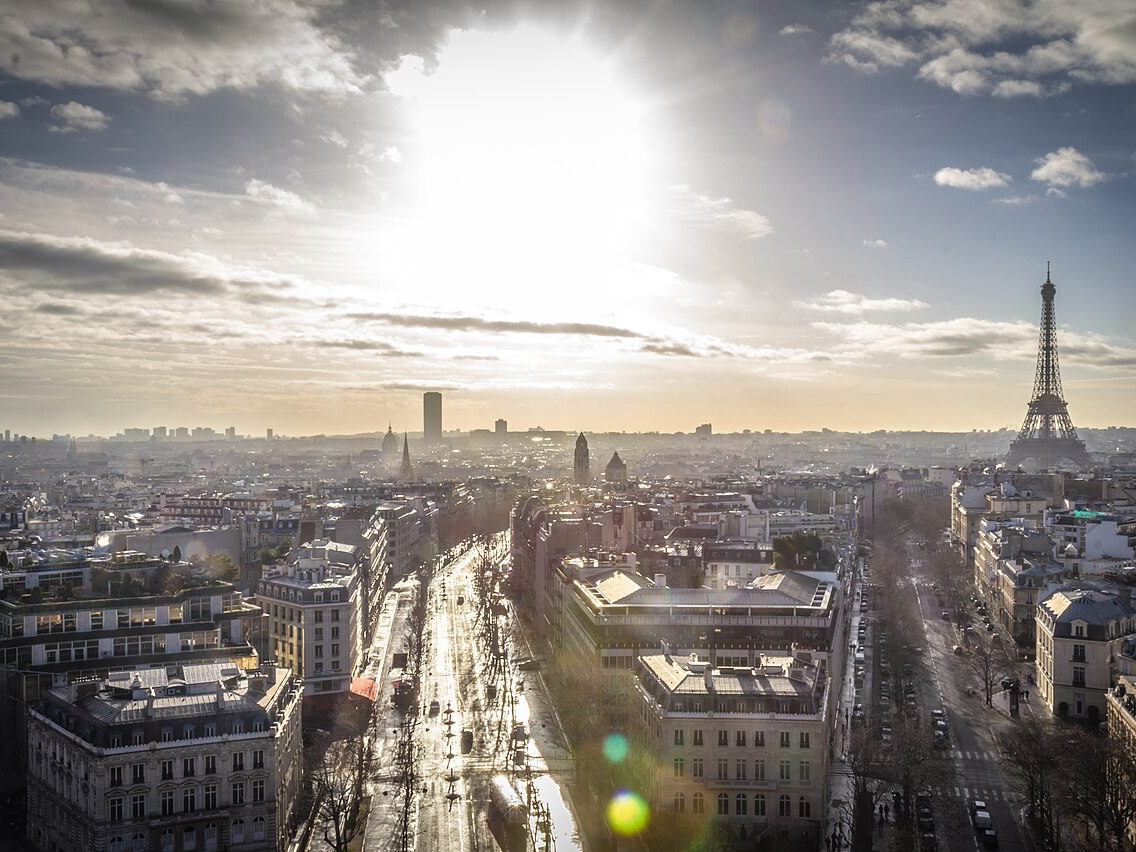
Q: What avenue begins near Place de la Concorde and runs toward the Arc de Triomphe?
A: Champs-Élysées.
Q: What does Champs-Élysées refer to mythologically?
A: The Elysian Fields.
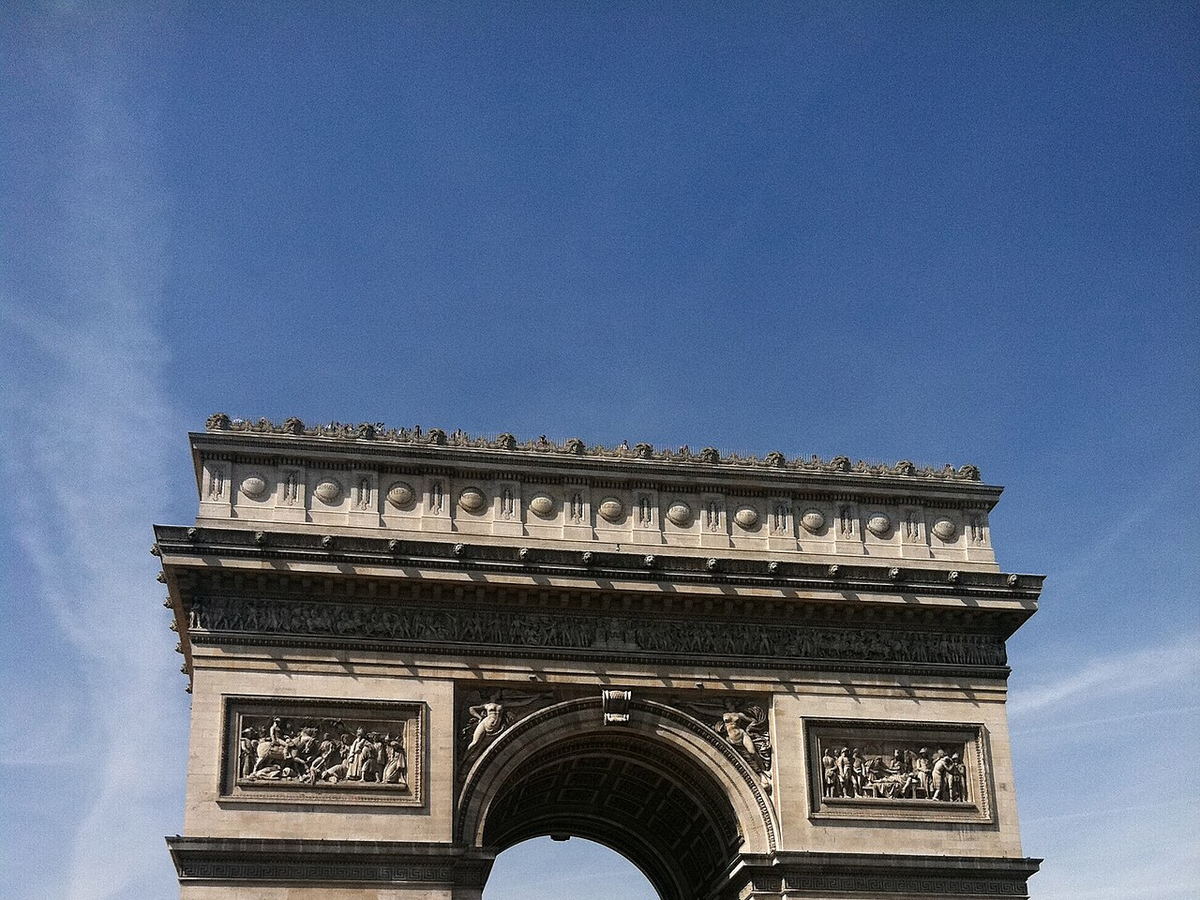
Q: What large triumphal monument stands at the western end?
A: Arc de Triomphe.
Q: Who commissioned the Arc de Triomphe?
A: Napoleon I.
Q: What tomb lies beneath it?
A: Tomb of the Unknown Soldier.
Q: What flame burns there?
A: An eternal flame honoring the unknown dead of war.
Q: Why is the Seine central to Paris?
A: Settlement, trade, bridges, royal power, monuments, and urban expansion developed around it.
Q: What makes central Paris easy to divide conceptually?
A: The Seine separates the Left and Right Banks while islands connect the historic core.
Eiffel Tower, Louvre & Famous Monuments
Q: Why was the Eiffel Tower built?
A: For the 1889 World's Fair.
Q: Who is the tower named after?
A: Gustave Eiffel.
Q: In what year did the Eiffel Tower open?
A: 1889.
Q: About how tall is the Eiffel Tower with its modern antenna?
A: About 330 metres.
Q: Was the Eiffel Tower immediately loved by every Parisian artist?
A: No, some prominent artists and writers protested it.
Q: What material forms most of the tower's structure?
A: Puddled iron.
Q: What museum is housed in a former royal palace?
A: The Louvre.
Q: What was the Louvre before becoming a palace?
A: A medieval fortress.
Q: What famous glass structure marks the Louvre courtyard?
A: Louvre Pyramid.
Q: Who designed the Louvre Pyramid?
A: I. M. Pei.
Q: What Leonardo da Vinci painting is displayed at the Louvre?
A: Mona Lisa.
Q: What ancient Greek sculpture of a winged goddess is displayed there?
A: Winged Victory of Samothrace.
Q: What famous armless Greek statue is at the Louvre?
A: Venus de Milo.
Q: What former railway station became a major art museum?
A: Musée d'Orsay.
Q: What art period is especially strong at Musée d'Orsay?
A: Impressionism and Post-Impressionism.
Q: Name one artist heavily represented there.
A: Monet, Renoir, Degas, Van Gogh, or others.
Q: What domed building contains Napoleon's tomb?
A: Les Invalides.
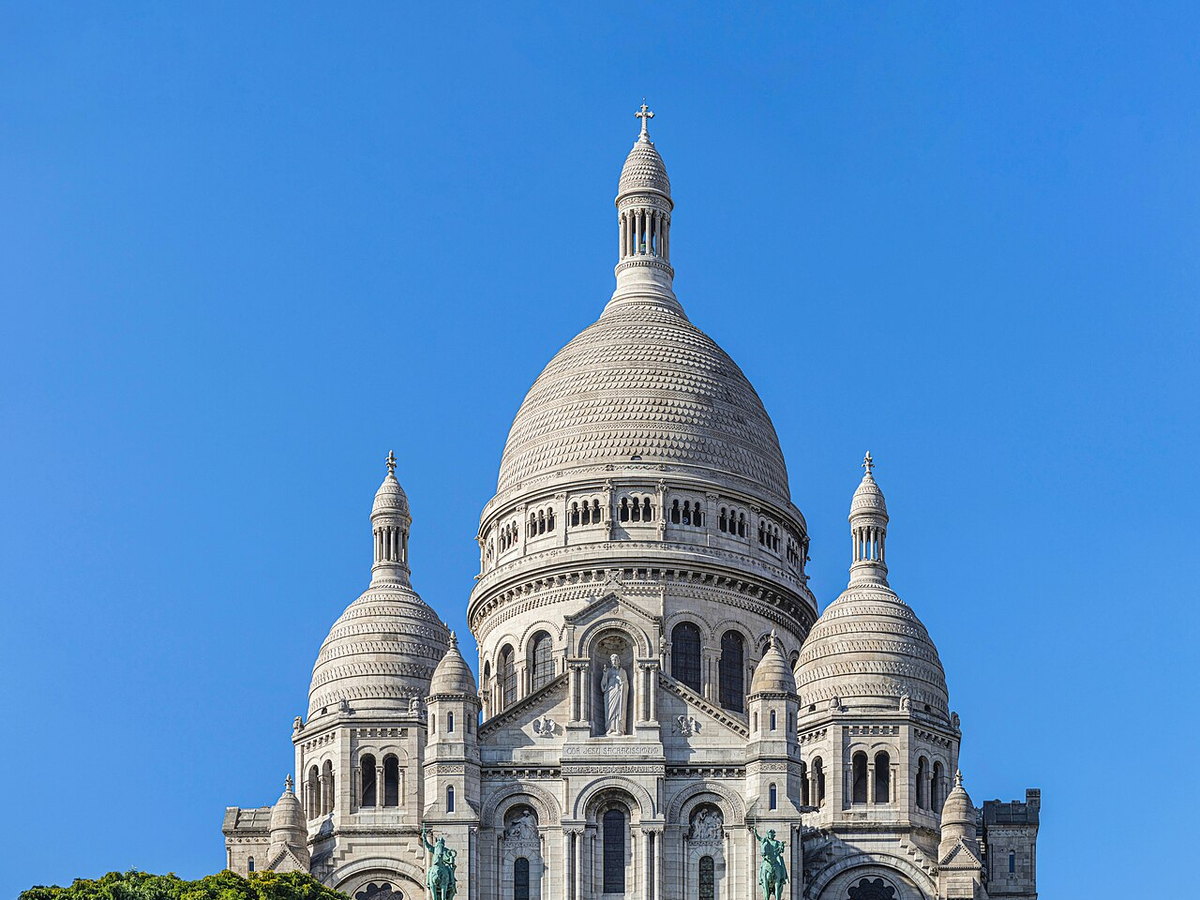
Q: What white basilica stands on Montmartre?
A: Sacré-Cœur.
Q: What hill is Sacré-Cœur on?
A: Montmartre.
Q: What was Montmartre famous for around 1900?
A: Artists, cabarets, nightlife, and bohemian culture.
Q: What famous cabaret has a red windmill?
A: Moulin Rouge.
Q: What does Moulin Rouge mean?
A: Red Mill.
Q: What modern cultural complex is famous for exposed colorful pipes?
A: Centre Pompidou.
Q: What monument sits in the Panthéon in the Latin Quarter?
A: It is a mausoleum honoring distinguished French figures.
Q: Name one person buried in the Panthéon.
A: Victor Hugo, Marie Curie, Voltaire, or other honorees.
Q: What Sainte-Chapelle is famous for?
A: Spectacular stained-glass windows.
Q: Who built Sainte-Chapelle?
A: King Louis IX.
Q: What palace complex became a prison during the Revolution?
A: Conciergerie.
Q: Who was imprisoned at the Conciergerie before execution?
A: Marie Antoinette.
Q: Why is Paris monument trivia unusually dense?
A: Medieval, royal, revolutionary, industrial, religious, and modern landmarks coexist within a compact core.
Métro, Bridges, Neighborhoods & Culture
Q: What is Paris's rapid-transit system called?
A: Métro.
Q: In what year did the first Paris Métro line open?
A: 1900.
Q: What international event helped spur its opening?
A: The 1900 Paris Exposition.
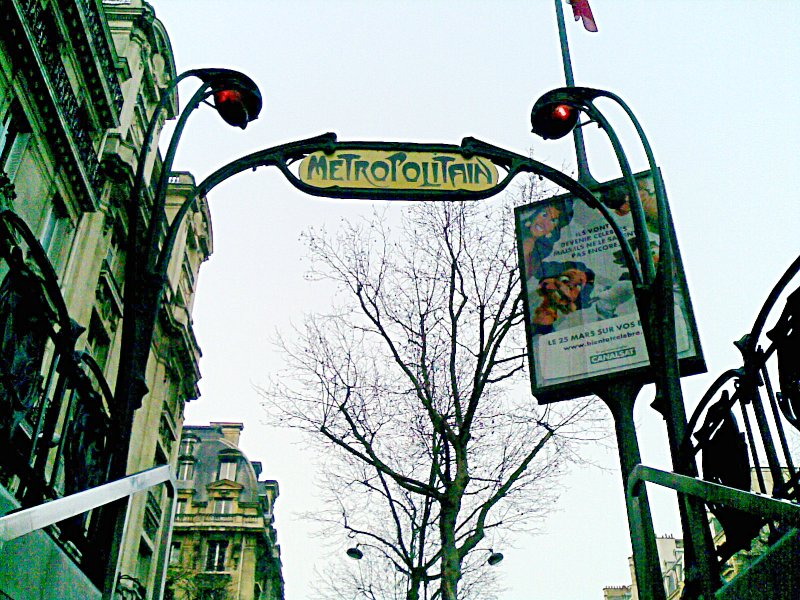
Q: What art style is associated with classic Hector Guimard Métro entrances?
A: Art Nouveau.
Q: What does RER refer to?
A: A regional express rail network serving Paris and suburbs.
Q: What major station serves high-speed trains toward London?
A: Gare du Nord.
Q: What train connects Paris and London through the Channel Tunnel?
A: Eurostar.
Q: What is the oldest standing bridge across the Seine in Paris called?
A: Pont Neuf.
Q: What does Pont Neuf literally mean?
A: New Bridge.
Q: Why is that name amusing now?
A: It is the oldest surviving bridge in Paris.
Q: What ornate bridge is named for a Russian tsar?
A: Pont Alexandre III.
Q: What pedestrian bridge near the Louvre became famous for love locks?
A: Pont des Arts.
Q: Why were many love locks removed?
A: Their weight damaged bridge railings and created safety concerns.
Q: What neighborhood is historically associated with Jewish Paris and LGBTQ nightlife?
A: Le Marais.
Q: What square sits in Le Marais and is one of Paris's oldest planned squares?
A: Place des Vosges.
Q: What writer lived at Place des Vosges?
A: Victor Hugo.
Q: What district is famous for cafés and literary history?
A: Saint-Germain-des-Prés.
Q: What neighborhood is known for narrow streets and student culture?
A: Latin Quarter.
Q: What area surrounds the grand Opéra Garnier?
A: The Opéra district.
Q: Who designed the Palais Garnier?
A: Charles Garnier.
Q: What fictional story is famously set beneath the Paris Opera?
A: The Phantom of the Opera.
Q: What Paris department store is famous for a grand glass dome?
A: Galeries Lafayette Haussmann.
Q: What urban planner reshaped Paris under Napoleon III?
A: Baron Georges-Eugène Haussmann.
Q: What features define Haussmannian Paris?
A: Broad boulevards, uniform façades, parks, infrastructure, and long sightlines.
Q: What Paris cemetery contains many famous graves?
A: Père Lachaise Cemetery.
Q: Name one famous person buried there.
A: Oscar Wilde, Jim Morrison, Édith Piaf, or others.
Q: What annual bicycle race traditionally ends in Paris?
A: Tour de France.
Q: What avenue traditionally hosts its ceremonial finish?
A: Champs-Élysées, though route details can vary in special years.
Q: What football club plays at Parc des Princes?
A: Paris Saint-Germain.
Q: Why are Paris neighborhoods important to trivia?
A: Each arrondissement and quarter carries distinct history, architecture, food, nightlife, and cultural identity.
Food, Fashion, Arts & Hard Paris Trivia
Q: What bread is shaped like a long thin loaf?
A: Baguette.
Q: What crescent-shaped pastry is a French breakfast icon?
A: Croissant.
Q: Is the croissant's deepest origin entirely French?
A: Its history is connected to Austrian kipferl traditions before becoming distinctively French.
Q: What small colorful sandwich cookie is associated with Parisian pâtisserie?
A: Macaron.
Q: What is a macaron made from?
A: Almond-based meringue shells with filling.
Q: Is a macaron the same as a coconut macaroon?
A: No.
Q: What dessert literally means “burnt cream”?
A: Crème brûlée.
Q: What onion soup is a French brasserie classic?
A: French onion soup.
Q: What neighborhood was historically famous for artists including Picasso and Modigliani?
A: Montmartre.
Q: What Paris art movement focused on changing light and modern life?
A: Impressionism.
Q: What does haute couture mean?
A: High-fashion custom dressmaking under regulated French industry traditions.
Q: Name one fashion house associated with Paris.
A: Chanel, Dior, Louis Vuitton, Saint Laurent, or others.
Q: What fashion event happens twice yearly in major form?
A: Paris Fashion Week.
Q: What nickname is Paris famously given?
A: City of Light.
Q: Does that nickname refer only to streetlights?
A: No. It is also associated with Enlightenment-era intellectual influence and later illumination.
Q: What major revolution began in Paris in 1789 with the storming of a fortress?
A: French Revolution.
Q: What fortress was stormed?
A: Bastille.
Q: What square now occupies the area associated with the Bastille?
A: Place de la Bastille.
Q: What monument stands there today?
A: July Column.
Q: What revolution does the July Column commemorate?
A: July Revolution of 1830.
Q: What global sporting event did Paris host in 2024?
A: Summer Olympic and Paralympic Games.
Q: How many times had Paris hosted the Summer Olympics by 2024?
A: Three times.
Q: What were the other two years?
A: 1900 and 1924.
Q: What Olympic venue famously used the Eiffel Tower area?
A: Temporary competition and ceremony sites were built around Champ de Mars and central Paris.
Q: What does arrondissement mean in Paris?
A: An administrative district.
Q: How many arrondissements does Paris have?
A: Twenty.
Q: How are they arranged geographically?
A: In a clockwise spiral often compared to a snail shell.
Q: What is the nickname for that spiral pattern?
A: The Paris snail, or escargot.
Q: What landmark was built for an event rather than intended as an eternal symbol?
A: Eiffel Tower.
Q: Why is Paris especially deep trivia material?
A: Ancient settlement, monarchy, revolution, architecture, art, fashion, food, literature, transit, sport, and global tourism overlap in a compact city.
How Did You Score?
If Lutetia, Pont Neuf, the 1889 World's Fair, I. M. Pei, Haussmann, Père Lachaise, the twenty-arrondissement snail, and Paris's three Olympic years all came easily, your Paris trivia deserves a café table by the Seine.

Ellie Simons creates and edits Random Trivia. She researches trivia using primary and authoritative sources whenever possible and is currently reviewing the site's older trivia library for accuracy, clarity, and playability. Read more on the About page.
About this quiz
Site editor: Ellie Simons. Read our Trivia Methodology to learn how questions are researched and updated. Page last updated: . Report an error.