
Three, two, one. These 120 NASA trivia questions travel from Mercury and Gemini through Apollo, the Moon landings, Space Shuttle, Hubble, Voyager, Mars rovers, the International Space Station, and Artemis. You will meet astronauts, rockets, telescopes, probes, launch sites, and a surprising amount of engineering built to survive places humans cannot.
Current Artemis facts are checked against NASA's official Artemis page. Keep exploring with our space trivia, science trivia, and Earth trivia.
NASA Origins, Mercury & Gemini
Q: What does NASA stand for?
A: National Aeronautics and Space Administration.
Q: In what year was NASA created?
A: 1958.
Q: What U.S. agency did NASA replace?
A: NACA, the National Advisory Committee for Aeronautics.
Q: What event helped accelerate the U.S. space program?
A: The Soviet launch of Sputnik 1.
Q: What was NASA's first human spaceflight program?
A: Project Mercury.
Q: What was Mercury's basic goal?
A: Put a human into space and learn whether people could function there safely.
Q: Who became the first American in space?
A: Alan Shepard.
Q: What was Shepard's 1961 spacecraft called?
A: Freedom 7.
Q: Was Shepard's first flight orbital?
A: No, it was suborbital.
Q: Who became the first American to orbit Earth?
A: John Glenn.
Q: What was Glenn's Mercury spacecraft called?
A: Friendship 7.
Q: In what year did Glenn orbit Earth?
A: 1962.
Q: How many astronauts were selected as the original Mercury Seven?
A: Seven.
Q: What NASA program followed Mercury?
A: Gemini.
Q: How many astronauts flew together in a Gemini spacecraft?
A: Two.
Q: What skills did Gemini develop for Apollo?
A: Long-duration flight, spacewalking, rendezvous, and docking.
Q: Who became the first American to walk in space?
A: Ed White.
Q: On what mission did Ed White perform that spacewalk?
A: Gemini 4.
Q: What does EVA stand for?
A: Extravehicular activity.
Q: What is spacecraft rendezvous?
A: Maneuvering two spacecraft to meet in orbit.
Q: Why was docking essential for Apollo?
A: The command module and lunar module had to connect in space.
Q: What famous astronaut flew Gemini 8 before walking on the Moon?
A: Neil Armstrong.
Q: What emergency occurred on Gemini 8?
A: A stuck thruster caused a dangerous spin.
Q: Who flew with Armstrong on Gemini 8?
A: David Scott.
Q: Did NASA learn only from successful missions?
A: No, anomalies and failures became critical engineering lessons.
Q: Where is Mission Control traditionally associated with human spaceflight?
A: Houston, Texas.
Q: What NASA center is in Houston?
A: Johnson Space Center.
Q: What Florida facility is strongly associated with launches?
A: Kennedy Space Center.
Q: What cape sits beside Kennedy Space Center?
A: Cape Canaveral.
Q: Why are Mercury and Gemini essential to NASA history?
A: They developed the people, procedures, and orbital techniques needed for Apollo.
Apollo & the Moon
Q: What U.S. president challenged America to land a person on the Moon before the 1960s ended?
A: John F. Kennedy.
Q: What NASA program pursued that goal?
A: Apollo.
Q: What tragedy killed three astronauts during a ground test in 1967?
A: The Apollo 1 fire.
Q: Who were the Apollo 1 astronauts?
A: Gus Grissom, Ed White, and Roger Chaffee.
Q: What mission first carried humans around the Moon?
A: Apollo 8.
Q: What famous photograph did Apollo 8 capture?
A: Earthrise.
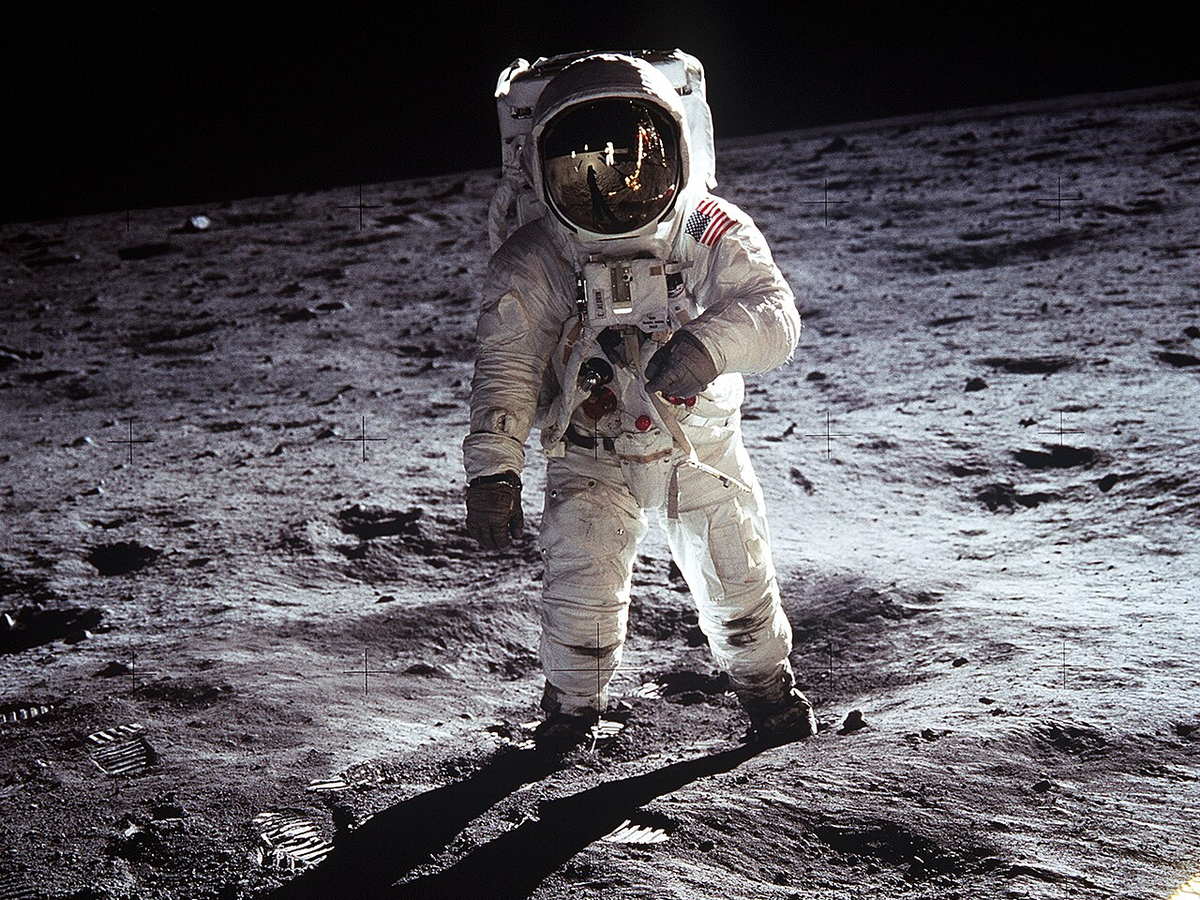
Q: What mission first landed humans on the Moon?
A: Apollo 11.
Q: When did Apollo 11 land?
A: July 20, 1969.
Q: Who was the first person to walk on the Moon?
A: Neil Armstrong.
Q: Who was the second?
A: Buzz Aldrin.
Q: Who remained in lunar orbit?
A: Michael Collins.
Q: What was Apollo 11's lunar module called?
A: Eagle.
Q: What was its command module called?
A: Columbia.
Q: What phrase did Armstrong transmit after landing?
A: “The Eagle has landed.”
Q: What did Armstrong call his first step?
A: One small step for a man and one giant leap for mankind.
Q: What mission suffered an oxygen-tank explosion en route to the Moon?
A: Apollo 13.
Q: Did Apollo 13 land on the Moon?
A: No.
Q: Did the Apollo 13 crew survive?
A: Yes.
Q: What spacecraft became a lifeboat for the crew?
A: The lunar module Aquarius.
Q: What mission first used a lunar rover?
A: Apollo 15.
Q: What was the rover called?
A: Lunar Roving Vehicle.
Q: What was the final Apollo Moon-landing mission?
A: Apollo 17.
Q: In what year did Apollo 17 fly?
A: 1972.
Q: Who was the last person to walk on the Moon in the Apollo era?
A: Gene Cernan.
Q: How many Apollo missions landed humans on the Moon?
A: Six.
Q: How many people walked on the Moon during Apollo?
A: Twelve.
Q: What giant rocket launched Apollo astronauts toward the Moon?
A: Saturn V.
Q: Who led the design team for the Saturn V at Marshall Space Flight Center?
A: Wernher von Braun was a central figure.
Q: What did Apollo astronauts bring back?
A: Lunar rocks, soil, photographs, measurements, and experiments.
Q: Why does Apollo remain one of NASA's defining achievements?
A: It landed and safely returned humans from another world.
Shuttle, Hubble, ISS & Robotic Exploration
Q: What reusable spacecraft program began orbital flights in 1981?
A: Space Shuttle.
Q: What was the first Shuttle orbiter to fly in space?
A: Columbia.
Q: What was the first Shuttle mission called?
A: STS-1.
Q: Who commanded STS-1?
A: John Young.
Q: What did Shuttle missions do?
A: Launch satellites, conduct research, build the ISS, service Hubble, and carry crews and cargo.
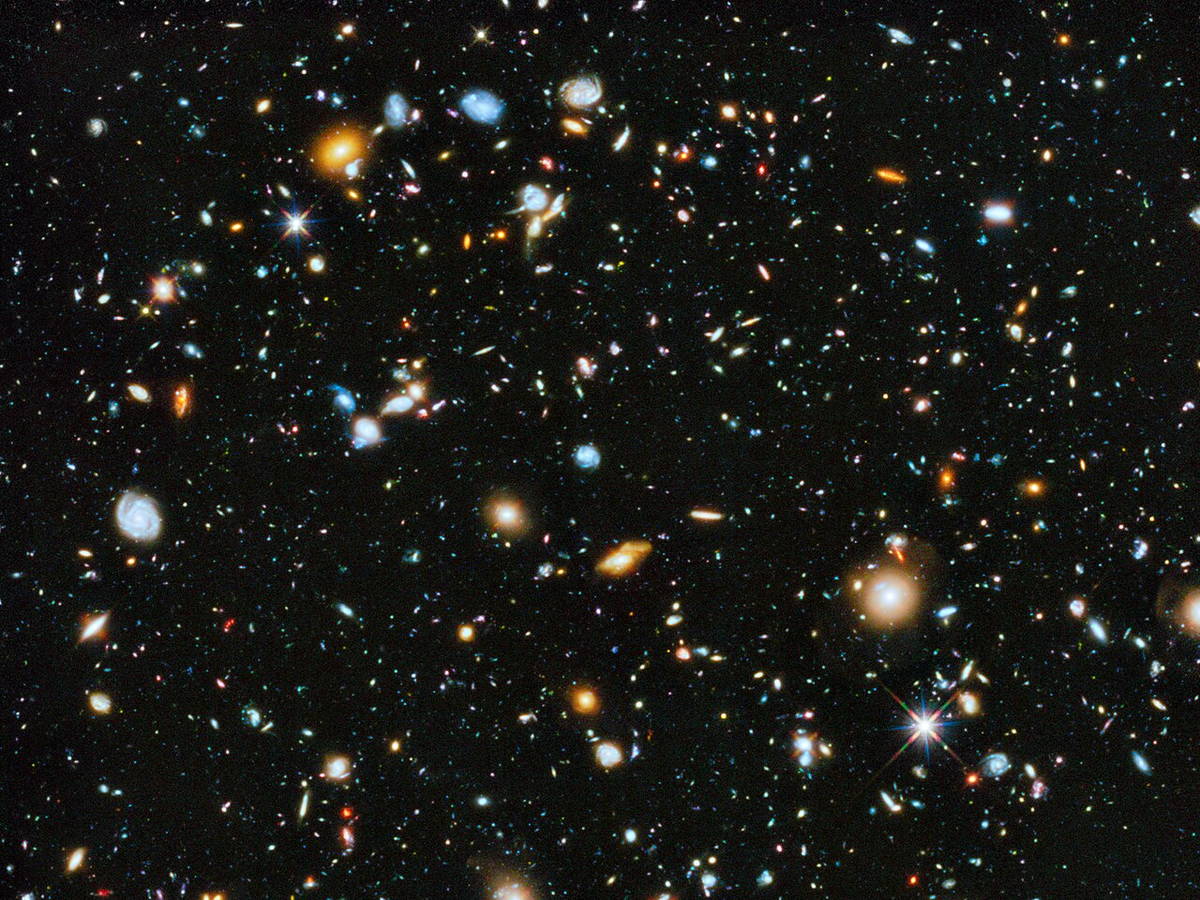
Q: What telescope did Shuttle Discovery deploy in 1990?
A: Hubble Space Telescope.
Q: Why was Hubble placed above Earth's atmosphere?
A: To avoid atmospheric distortion and observe wavelengths blocked or blurred from the ground.
Q: What major flaw affected Hubble after launch?
A: Its primary mirror had a spherical aberration.
Q: How was Hubble's vision improved?
A: Astronauts installed corrective optics and upgraded instruments during servicing missions.
Q: When was Hubble launched?
A: 1990.
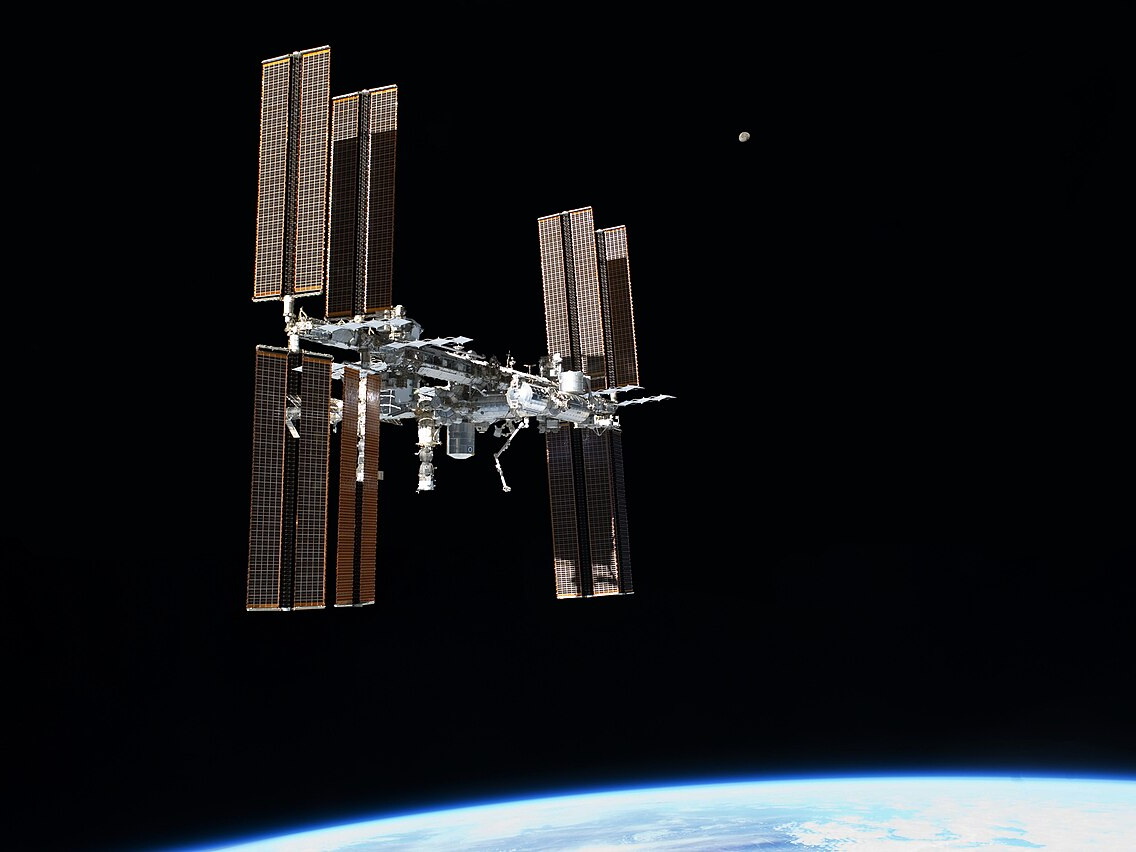
Q: What famous station has hosted continuous human presence since 2000?
A: International Space Station.
Q: What does ISS stand for?
A: International Space Station.
Q: Is the ISS solely a NASA project?
A: No, it is an international partnership.
Q: What does microgravity mean on the ISS?
A: Objects and crew appear weightless because the station is continuously falling around Earth.
Q: What NASA Shuttle was lost during launch in 1986?
A: Challenger.
Q: What Shuttle was lost during reentry in 2003?
A: Columbia.
Q: In what year did the Space Shuttle program end?
A: 2011.
Q: What was the final Shuttle mission?
A: STS-135 on Atlantis.
Q: What probe pair launched in 1977 and explored the outer planets?
A: Voyager 1 and Voyager 2.
Q: Which Voyager visited Uranus and Neptune?
A: Voyager 2.
Q: What record does Voyager 1 hold?
A: It is the most distant human-made object.
Q: What artifact travels aboard each Voyager?
A: A Golden Record.
Q: What does the Golden Record contain?
A: Sounds, images, music, greetings, and information representing Earth.
Q: What Mars rover landed in 1997 with Pathfinder?
A: Sojourner.
Q: What twin rovers landed on Mars in 2004?
A: Spirit and Opportunity.
Q: What large rover landed in Gale Crater in 2012?
A: Curiosity.
Q: What rover landed in Jezero Crater in 2021?
A: Perseverance.
Q: What small helicopter flew with Perseverance?
A: Ingenuity.
Q: What historic first did Ingenuity achieve?
A: First powered, controlled flight on another planet.
Q: Why are robotic missions vital to NASA?
A: Robots can explore dangerous and distant environments without risking human crews.
Artemis, Telescopes & Hard NASA Trivia
Q: What is NASA's modern Moon-to-Mars exploration program called?
A: Artemis.
Q: What was Artemis I?
A: An uncrewed test flight of SLS and Orion around the Moon.
Q: What does SLS stand for?
A: Space Launch System.
Q: What spacecraft carries Artemis crews?
A: Orion.
Q: What did Artemis I demonstrate?
A: Launch, deep-space flight, lunar operations, and high-speed return of Orion without a crew.
Q: About how far did NASA say Orion traveled on Artemis I?
A: About 1.4 million miles total.
Q: What is Artemis II designed to be?
A: The first crewed Artemis flight.
Q: What is Artemis ultimately intended to establish around the Moon?
A: Sustainable exploration capabilities that support science and future Mars missions.
Q: What are the Artemis Accords?
A: International principles for peaceful and responsible civil space exploration.
Q: When were the Artemis Accords established?
A: 2020.
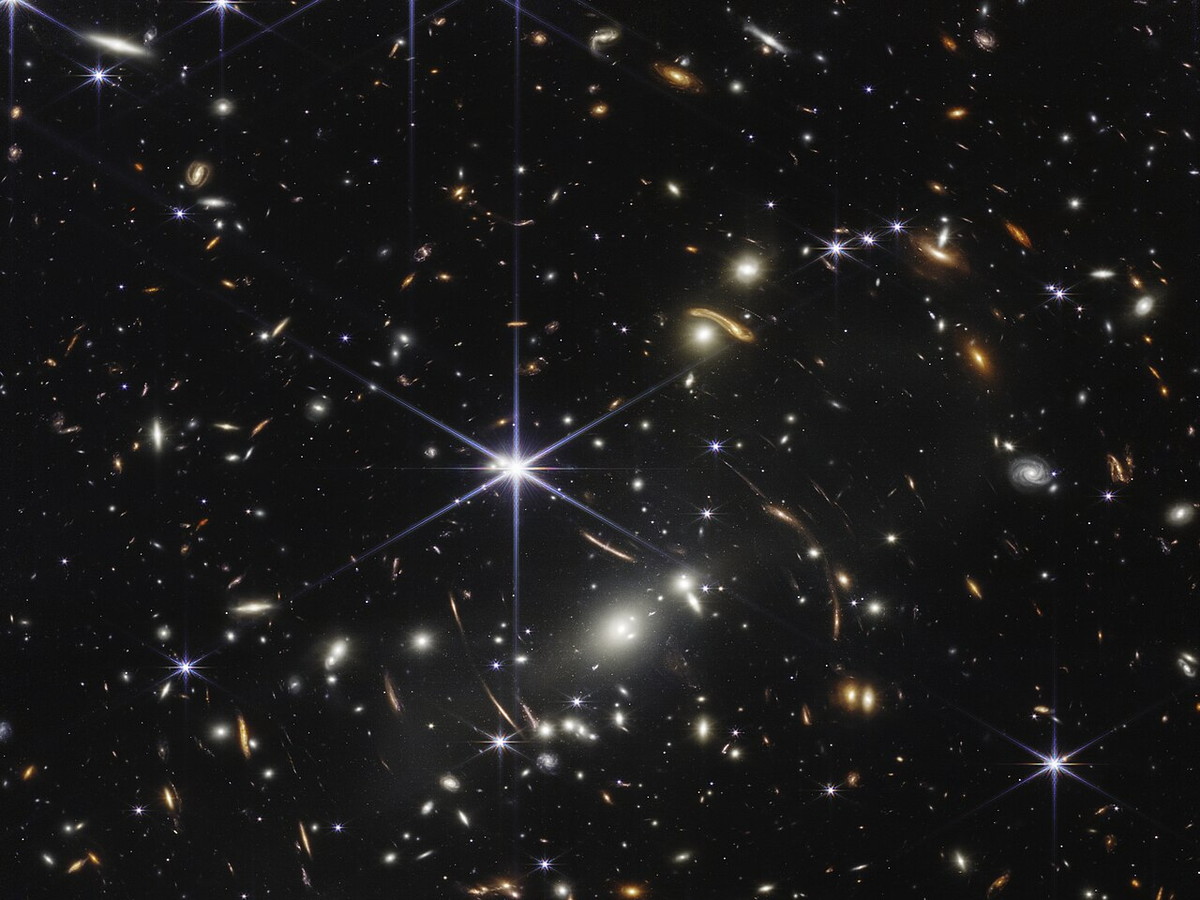
Q: What telescope launched in 2021 as a major NASA international observatory?
A: James Webb Space Telescope.
Q: What does JWST primarily observe?
A: Infrared light.
Q: Is Webb orbiting Earth like Hubble?
A: No, it operates near the Sun-Earth L2 point.
Q: What giant segmented mirror is a visual signature of Webb?
A: Its gold-coated primary mirror.
Q: What NASA mission intentionally hit an asteroid moonlet in 2022?
A: DART.
Q: What was DART testing?
A: Whether a spacecraft impact could alter an asteroid's orbit.
Q: What does DART stand for?
A: Double Asteroid Redirection Test.
Q: What asteroid moonlet did DART strike?
A: Dimorphos.
Q: What mission collected a sample from asteroid Bennu?
A: OSIRIS-REx.
Q: When did that sample return to Earth?
A: 2023.
Q: What NASA observatory studies the Sun from space and produces dramatic solar imagery?
A: Solar Dynamics Observatory is one major example.
Q: What does JPL stand for?
A: Jet Propulsion Laboratory.
Q: Where is JPL located?
A: Southern California.
Q: What university manages JPL for NASA?
A: Caltech.
Q: What does “Houston, we have a problem” refer to historically?
A: The Apollo 13 emergency, though the exact real transmission wording differed slightly.
Q: What does “failure is not an option” illustrate?
A: A popular summary of Mission Control's problem-solving culture, not a verbatim Apollo 13 mission quote.
Q: What NASA discipline studies airplanes as well as spacecraft?
A: Aeronautics.
Q: Why is NASA not simply a rocket-launch agency?
A: It conducts Earth science, astronomy, aeronautics, planetary science, technology research, human spaceflight, and more.
Q: What is the connection between Artemis and Mars?
A: NASA says lunar missions will help build experience and systems for future crewed Mars exploration.
Q: Why is NASA especially deep trivia material?
A: Nearly seven decades connect astronauts, robots, telescopes, aircraft, Moon rocks, Mars helicopters, asteroid defense, international stations, and future exploration.
How Did You Score?
If Freedom 7, Gemini 8, Aquarius, twelve Moonwalkers, Hubble's mirror flaw, the Golden Record, Ingenuity, Dimorphos, and Artemis II all came easily, your NASA trivia is cleared for launch.

Ellie Simons creates and edits Random Trivia. She researches trivia using primary and authoritative sources whenever possible and is currently reviewing the site's older trivia library for accuracy, clarity, and playability. Read more on the About page.
About this quiz
Site editor: Ellie Simons. Read our Trivia Methodology to learn how questions are researched and updated. Page last updated: . Report an error.