
Egypt is much more than pyramids, though having the world's last surviving ancient wonder is a pretty strong opening act. These 120 questions cover Cairo, Alexandria, the Nile, Luxor, Nubia, Sinai, the Red Sea, Arabic, Coptic heritage, food, music, modern cities, and the pharaonic monuments that still dominate the global imagination.
Monument facts are checked against Egypt's Ministry of Tourism and Antiquities and UNESCO. Keep exploring with our geography trivia, Ancient Egypt trivia, and world history trivia.
Egypt Basics, Cairo, Alexandria & the Nile
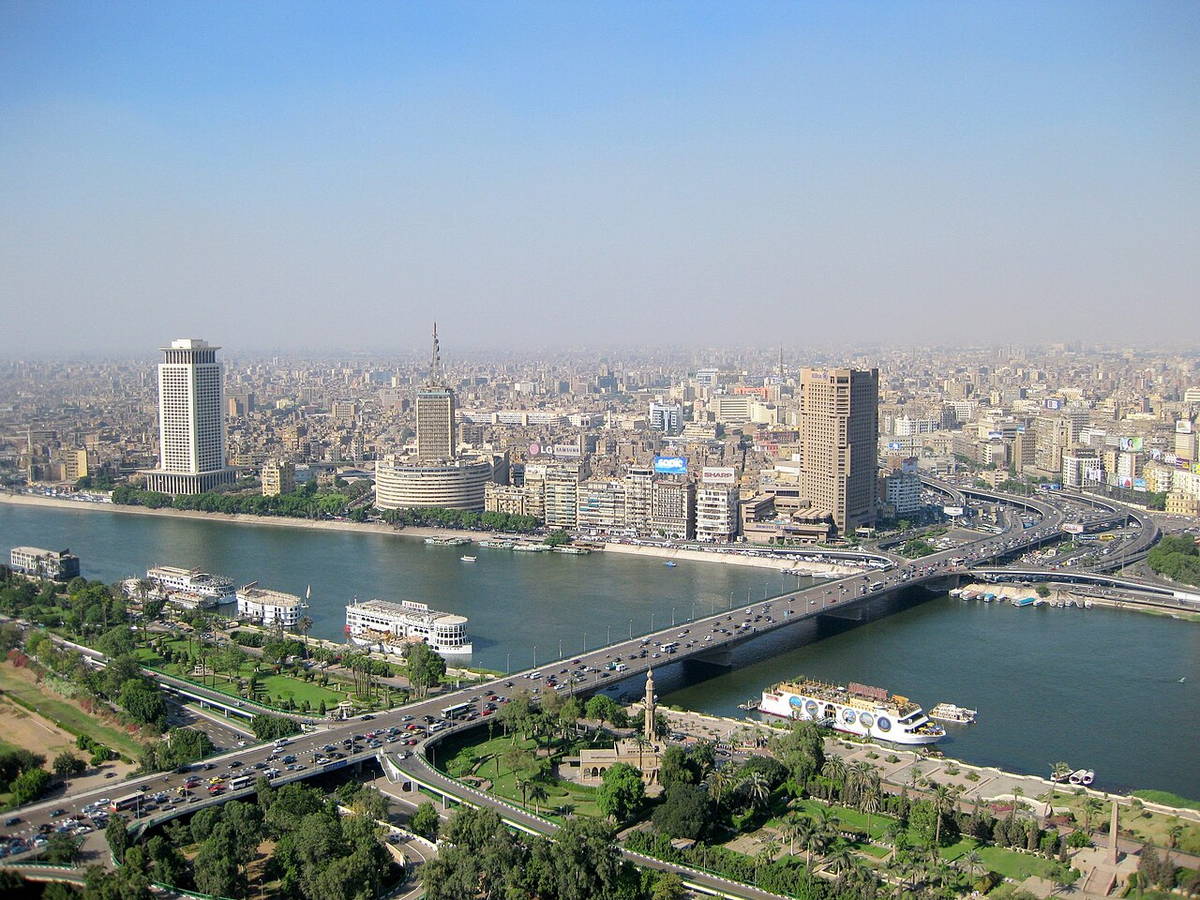
Q: What is the capital of Egypt?
A: Cairo.
Q: What major river runs through Egypt?
A: Nile.
Q: In what direction does the Nile flow through Egypt?
A: Generally northward.
Q: What sea does the Nile empty into?
A: Mediterranean Sea.
Q: What shape does the Nile form near the Mediterranean coast?
A: A large delta.
Q: Why was the Nile essential to ancient and modern Egypt?
A: Water, agriculture, transport, settlement, food, and trade depend heavily on it.
Q: What desert lies west of the Nile?
A: Western Desert, part of the Sahara.
Q: What desert lies between the Nile and Red Sea?
A: Eastern Desert.
Q: What peninsula forms northeastern Egypt?
A: Sinai Peninsula.
Q: What sea lies east of mainland Egypt?
A: Red Sea.
Q: What gulf lies west of Sinai?
A: Gulf of Suez.
Q: What gulf lies east of Sinai?
A: Gulf of Aqaba.
Q: What artificial waterway links the Mediterranean and Red Sea?
A: Suez Canal.
Q: In what year did the Suez Canal open?
A: 1869.
Q: What city sits near the canal's Mediterranean entrance?
A: Port Said.
Q: What city gives the canal its name?
A: Suez.
Q: What major Mediterranean city was founded by Alexander the Great?
A: Alexandria.
Q: What ancient lighthouse made Alexandria famous?
A: Lighthouse of Alexandria, or Pharos.
Q: Was the Lighthouse one of the Seven Wonders of the Ancient World?
A: Yes.
Q: What ancient institution made Alexandria a center of scholarship?
A: Library of Alexandria.
Q: What modern cultural institution revives the library's name?
A: Bibliotheca Alexandrina.
Q: What sprawling city is Egypt's largest urban center?
A: Cairo.
Q: What medieval Islamic city grew beside older settlements and became Cairo?
A: Al-Qahira became the Fatimid core of Cairo.
Q: What major mosque and university is one of Cairo's great Islamic institutions?
A: Al-Azhar.
Q: What fortress overlooks historic Cairo?
A: Cairo Citadel.
Q: Who is strongly associated with building the medieval Citadel?
A: Salah al-Din, or Saladin.
Q: What language is Egypt's official language?
A: Arabic.
Q: What currency does Egypt use?
A: Egyptian pound.
Q: What continent is Egypt primarily in?
A: Africa.
Q: What part of Egypt lies geographically in Asia?
A: Sinai Peninsula.
Giza, Pharaohs, Luxor & Ancient Heritage
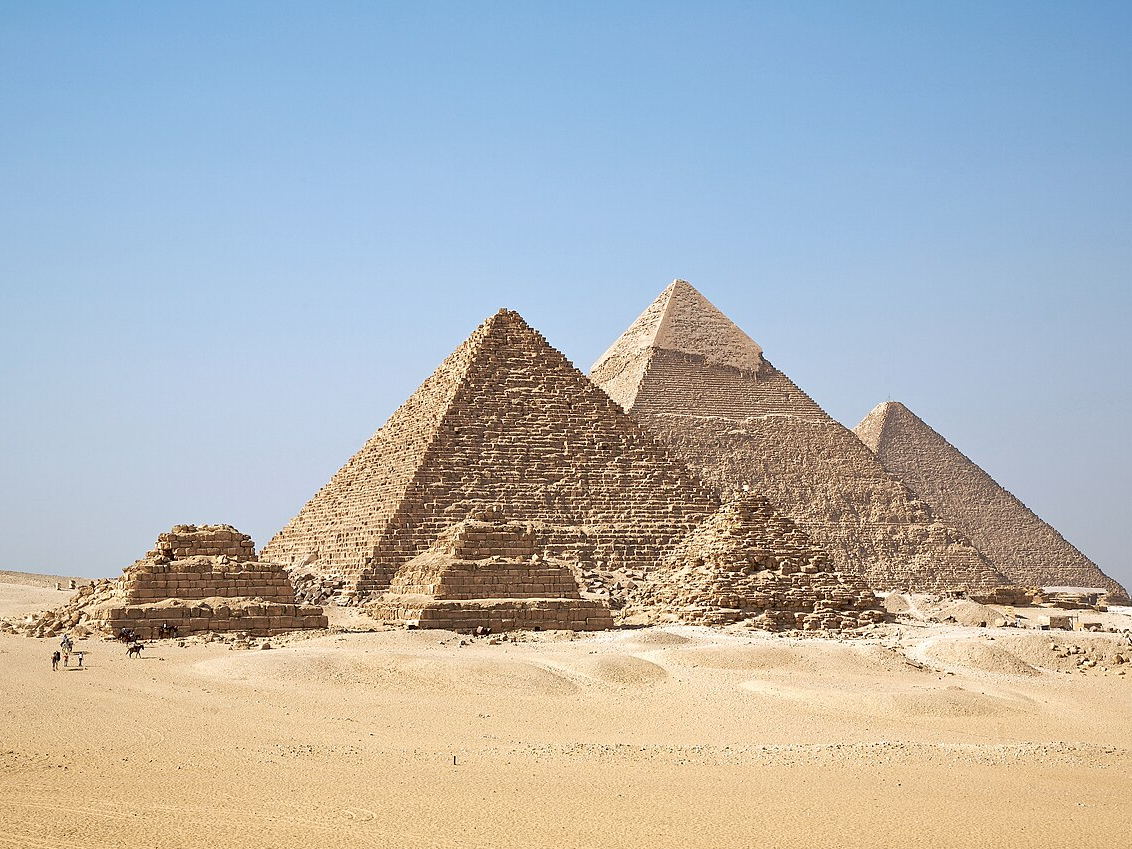
Q: What three famous pyramids stand at Giza?
A: Pyramids of Khufu, Khafre, and Menkaure.
Q: Which is the largest?
A: Great Pyramid of Khufu.
Q: What other name is used for Khufu?
A: Cheops.
Q: Which ancient wonder still survives substantially today?
A: Great Pyramid of Giza.
Q: Did enslaved foreigners build the pyramids according to current archaeological understanding?
A: Evidence points to organized Egyptian labor forces, including skilled and rotating workers, rather than the old Hollywood image of vast foreign slave gangs.
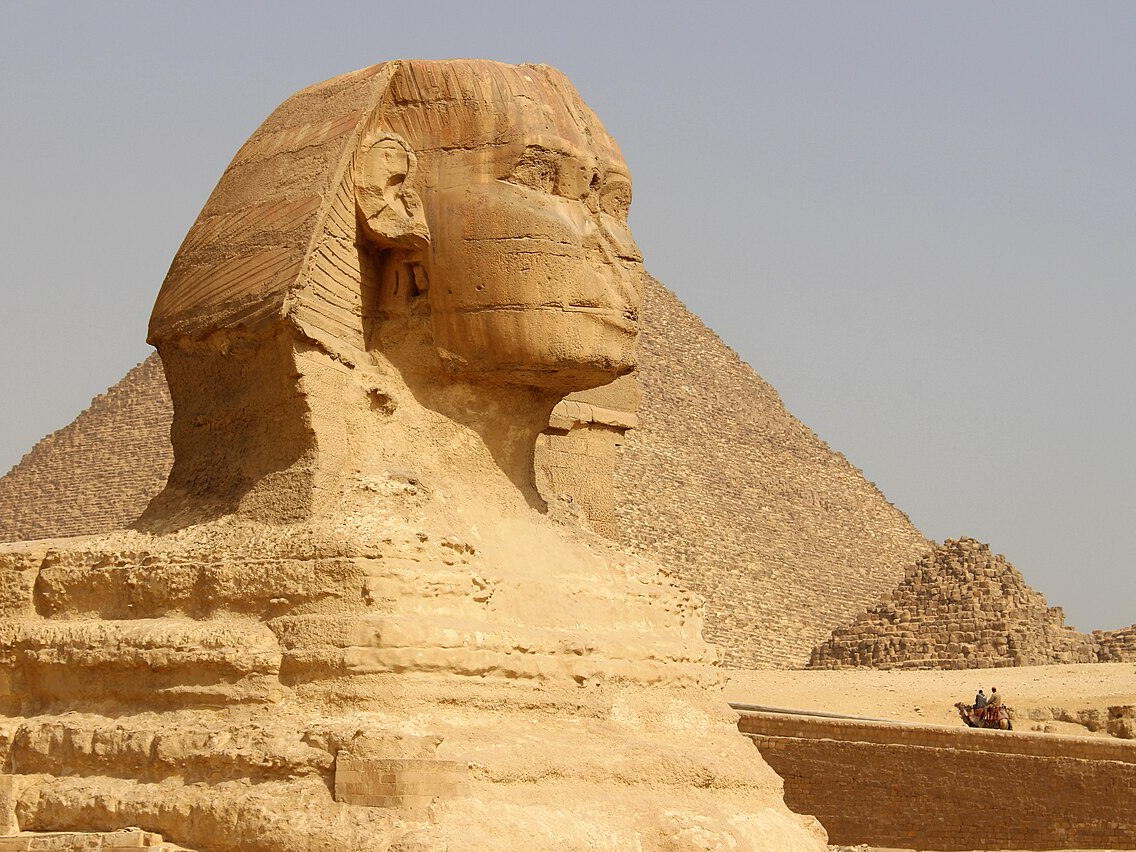
Q: What enormous statue has a lion's body and human head?
A: Great Sphinx of Giza.
Q: Which pyramid complex is commonly linked to the Sphinx?
A: Khafre's complex.
Q: What ancient capital near Giza gives UNESCO's pyramid heritage property part of its name?
A: Memphis.
Q: What city was ancient Egypt's great New Kingdom capital?
A: Thebes.
Q: What modern city occupies much of ancient Thebes?
A: Luxor.
Q: What huge temple complex lies on Luxor's east bank?
A: Karnak.
Q: What temple stands closer to the modern city center?
A: Luxor Temple.
Q: What avenue once linked Karnak and Luxor Temple?
A: Avenue of Sphinxes.
Q: What royal cemetery lies on the west bank?
A: Valley of the Kings.
Q: What famous young pharaoh's tomb was found there in 1922?
A: Tutankhamun.
Q: Who led the excavation that discovered Tutankhamun's tomb?
A: Howard Carter.
Q: What wealthy patron financed Carter's work?
A: Lord Carnarvon.
Q: What female pharaoh built a famous mortuary temple at Deir el-Bahari?
A: Hatshepsut.
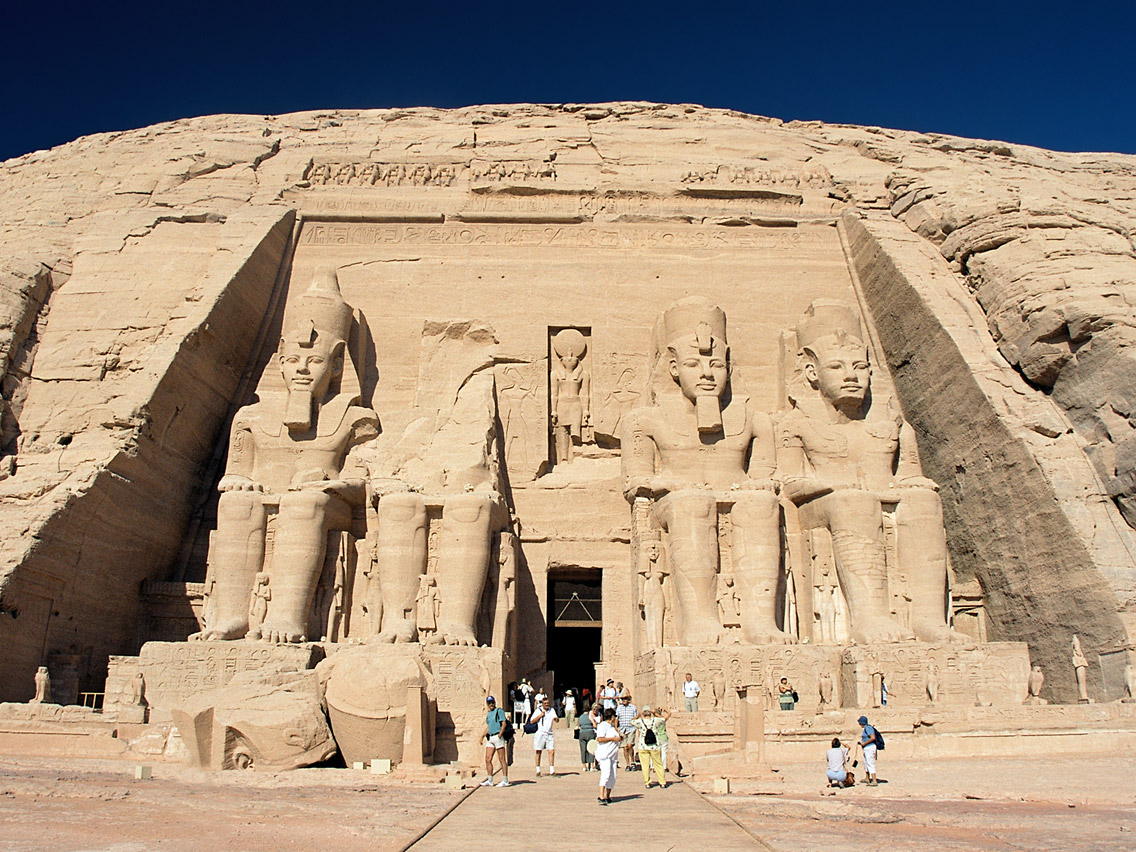
Q: What king built colossal temples at Abu Simbel?
A: Ramesses II.
Q: Where is Abu Simbel?
A: Southern Egypt near Lake Nasser.
Q: Why were the Abu Simbel temples moved in the 20th century?
A: To save them from rising water caused by the Aswan High Dam.
Q: What international organization led the rescue campaign?
A: UNESCO.
Q: What temple complex dedicated to Isis was also relocated?
A: Philae.
Q: What city is a gateway to Philae and Nubia?
A: Aswan.
Q: What dam created Lake Nasser?
A: Aswan High Dam.
Q: What museum in Cairo holds major pharaonic collections in a historic building?
A: Egyptian Museum in Tahrir Square.
Q: What famous artifact records early Egyptian unification imagery?
A: Narmer Palette.
Q: What material was used for Egyptian hieroglyphic writing on monuments?
A: Stone, while ink was also used on papyrus and other surfaces.
Q: What is papyrus?
A: A plant and writing material made from its pith.
Q: Why does ancient Egypt dominate so much Egypt trivia?
A: Monumental architecture, tombs, writing, art, religion, and desert preservation created an unusually rich archaeological record.
Religion, Coptic Heritage, Food & Everyday Culture
Q: What religion is followed by the large majority of Egyptians?
A: Islam.
Q: What major Christian tradition has deep roots in Egypt?
A: Coptic Orthodox Christianity.
Q: What does Coptic refer to historically?
A: Egypt's ancient Christian tradition and a later stage of the Egyptian language.
Q: What Cairo district contains many old churches and Coptic sites?
A: Coptic Cairo.
Q: What famous church appears suspended above a Roman gate?
A: Hanging Church.
Q: What desert monastic tradition developed very early in Egypt?
A: Christian monasticism.
Q: What staple dish mixes rice, lentils, pasta, chickpeas, tomato sauce, and fried onions?
A: Koshari.
Q: What broad bean dish is a common breakfast staple?
A: Ful medames.
Q: What fried legume patties are called in Egyptian Arabic?
A: Ta'ameya.
Q: What legume commonly distinguishes Egyptian ta'ameya from chickpea falafel?
A: Fava beans.
Q: What bread is a daily staple in Egypt?
A: Aish baladi, a round flatbread.
Q: What does aish literally mean in Egyptian Arabic usage?
A: Bread, with a word also tied to “life.”
Q: What green soup is made from finely chopped molokhia leaves?
A: Molokhia.
Q: What sweet pastry layers phyllo-like dough, nuts, and syrup?
A: Baklava is common, alongside distinctly Egyptian sweets.
Q: What Egyptian dessert is made from puff pastry, milk, nuts, and cream?
A: Om Ali.
Q: What beverage is brewed strong and often sweet in small cups?
A: Egyptian-style coffee or Turkish coffee traditions.
Q: What red herbal drink is made from hibiscus?
A: Karkade.
Q: What stringed instrument is central to Arab classical music?
A: Oud.
Q: What Egyptian singer became one of the Arab world's most famous voices of the 20th century?
A: Umm Kulthum.
Q: What city was central to Egypt's film and music industries?
A: Cairo.
Q: Why was Egyptian cinema historically influential in the Arab world?
A: Cairo developed one of the region's largest and most widely distributed film industries.
Q: What Arabic dialect is widely understood across the Arab world partly because of Egyptian media?
A: Egyptian Arabic.
Q: What spring festival with ancient roots is celebrated by Egyptians of different backgrounds?
A: Sham El-Nessim.
Q: What does Sham El-Nessim celebrate broadly?
A: Spring.
Q: What salted fish is traditionally eaten then?
A: Feseekh.
Q: What month of fasting is observed by Muslims?
A: Ramadan.
Q: What meal breaks the daily Ramadan fast?
A: Iftar.
Q: What decorative lantern is associated with Ramadan in Egypt?
A: Fanous.
Q: Why is modern Egyptian culture not simply a continuation of pharaonic culture unchanged?
A: Greek, Roman, Coptic, Arab, Islamic, Ottoman, Mediterranean, African, and modern influences all shaped the country.
Q: What makes Egyptian Arabic, food, music, and cinema important for trivia?
A: Egypt has had enormous cultural influence across the Arabic-speaking world.
Red Sea, Sinai, Sport & Hard Egypt Trivia
Q: What resort city on the Red Sea is famous for diving and coral reefs?
A: Sharm El Sheikh.
Q: What other major Red Sea resort city lies on Egypt's mainland coast?
A: Hurghada.
Q: What makes the Red Sea popular with divers?
A: Clear water, coral reefs, warm conditions, and diverse marine life.
Q: What mountain in Sinai is traditionally associated with Moses receiving the commandments?
A: Mount Sinai.
Q: What ancient monastery stands near Mount Sinai?
A: Saint Catherine's Monastery.
Q: What peninsula connects Africa and Asia?
A: Sinai Peninsula.
Q: What protected desert oasis region is famous in western Egypt?
A: Siwa Oasis.
Q: What ancient oracle did Alexander the Great visit at Siwa?
A: Oracle of Amun.
Q: What unusual white desert landscape is famous for chalk formations?
A: White Desert.
Q: What sport is especially popular in Egypt?
A: Football, or soccer.
Q: What is Egypt's men's national team nicknamed?
A: The Pharaohs.
Q: What Egyptian footballer became a global star with Liverpool?
A: Mohamed Salah.
Q: What Egyptian club is one of Africa's most successful football teams?
A: Al Ahly.
Q: What major Cairo rival plays the Cairo derby against Al Ahly?
A: Zamalek.
Q: What sport did Egyptian squash players become internationally dominant in?
A: Squash.
Q: What ancient city was founded by Alexander the Great?
A: Alexandria.
Q: What ancient city is modern Luxor built around?
A: Thebes.
Q: What ancient capital is associated with Giza's pyramid fields?
A: Memphis.
Q: Which Giza pyramid belongs to Khafre?
A: The second-largest pyramid.
Q: Why can Khafre's pyramid appear nearly as tall as Khufu's?
A: It stands on slightly higher ground and retains some casing near the top.
Q: Which Giza pyramid is smallest of the famous three?
A: Menkaure's.
Q: What temple was relocated to Agilkia Island?
A: Philae temple complex.
Q: What Nubian monument rescue helped inspire the World Heritage movement?
A: The international campaign to save Abu Simbel and other Nubian monuments.
Q: What is the Narmer Palette famous for?
A: Early royal imagery associated with the unification of Upper and Lower Egypt.
Q: Why is Upper Egypt south of Lower Egypt?
A: The terms refer to elevation and the Nile's upstream-downstream geography.
Q: Where is Lower Egypt?
A: The northern Nile Delta region.
Q: Where is Upper Egypt?
A: The Nile Valley south of the Delta.
Q: What is the biggest mistake in Egypt trivia?
A: Treating the modern country as if its story ended with the pharaohs.
Q: What does Egypt connect geographically?
A: Africa, Asia, the Mediterranean, Red Sea, Nile Valley, and major global shipping routes.
Q: Why is Egypt especially deep trivia material?
A: Pharaonic monuments, Greek Alexandria, Coptic Christianity, Islamic Cairo, Nubia, Sinai, the Suez Canal, Arabic media, food, wildlife, and modern sport all coexist.
How Did You Score?
If the Yamuna belongs in India but the Tiber belongs in Rome, while the Ganga gives way here to the Nile, plus Philae, feseekh, Siwa, the Khafre height illusion, and Upper-versus-Lower Egypt all came easily, your Egypt trivia is monumental.

Ellie Simons creates and edits Random Trivia. She researches trivia using primary and authoritative sources whenever possible and is currently reviewing the site's older trivia library for accuracy, clarity, and playability. Read more on the About page.
Explore more rounds in our Geography trivia collection.
About this quiz
Site editor: Ellie Simons. Read our Trivia Methodology to learn how questions are researched and updated. Page last updated: . Report an error.