
Settle in for a thoughtful round about ordinary people who showed extraordinary courage in the fight for equal rights.
These Civil Rights Movement trivia questions focus on the United States, tracing the leaders, grassroots organizers, court cases, protests, laws, and unfinished work that reshaped the nation.
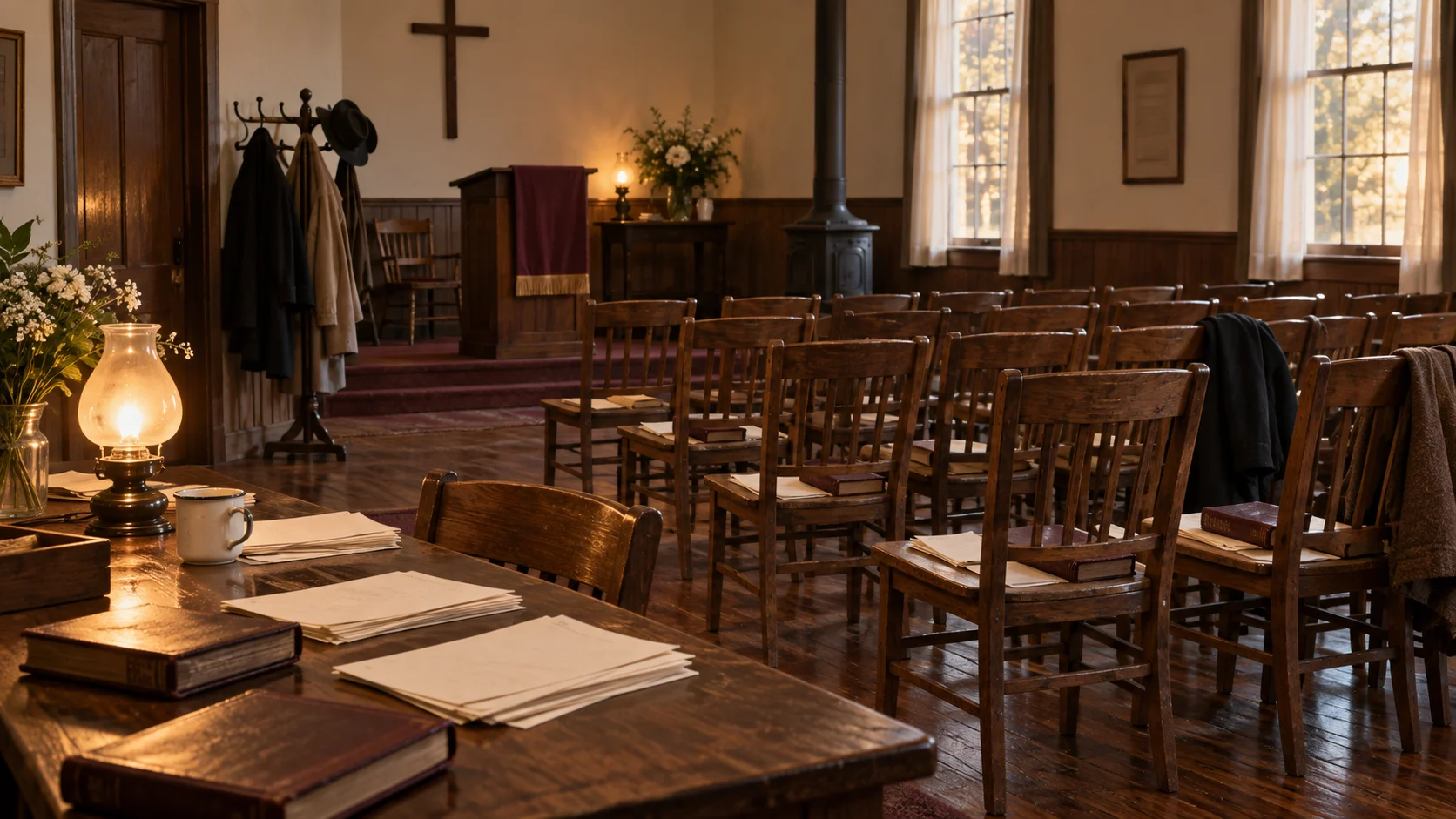
Roots of the Modern Movement
Q: What constitutional amendment abolished slavery in the United States?
A: The 13th Amendment.
Q: Which amendment guarantees equal protection under the law?
A: The 14th Amendment.
Q: Which amendment prohibited denying the vote based on race?
A: The 15th Amendment.
Q: What name is given to state and local laws that enforced racial segregation?
A: Jim Crow laws.
Q: Which 1896 Supreme Court case upheld “separate but equal”?
A: Plessy v. Ferguson.
Q: What organization founded in 1909 pursued racial justice through law and advocacy?
A: The NAACP.
Q: What do the initials NAACP stand for?
A: National Association for the Advancement of Colored People.
Q: Which scholar and activist was a co-founder of the NAACP?
A: W. E. B. Du Bois.
Q: Which journalist led an anti-lynching campaign beginning in the late 19th century?
A: Ida B. Wells.
Q: What movement brought millions of Black Americans from the South to other regions?
A: The Great Migration.
Q: Which labor leader planned a 1941 march that pressured the government to address defense-industry discrimination?
A: A. Philip Randolph.
Q: Which president issued Executive Order 8802 banning discrimination in defense industries?
A: Franklin D. Roosevelt.
Q: What wartime campaign linked victory abroad with victory against racism at home?
A: The Double V campaign.
Q: Which president ordered the desegregation of the U.S. armed forces in 1948?
A: Harry S. Truman.
Q: Which baseball player broke Major League Baseball's modern color barrier in 1947?
A: Jackie Robinson.

Courts, Schools, and Brown v. Board
Q: Which NAACP lawyer later became the first Black U.S. Supreme Court justice?
A: Thurgood Marshall.
Q: What 1954 case ruled segregated public schools unconstitutional?
A: Brown v. Board of Education.
Q: Which city gave Brown v. Board of Education its best-known school district?
A: Topeka, Kansas.
Q: Who was the named parent in Brown v. Board?
A: Oliver Brown.
Q: What did the Court declare about separate educational facilities?
A: They are inherently unequal.
Q: What 1955 decision addressed how quickly schools should desegregate?
A: Brown II.
Q: What vague phrase did Brown II use for the pace of desegregation?
A: “With all deliberate speed.”
Q: What group of Black students integrated Central High School in 1957?
A: The Little Rock Nine.
Q: In which Arkansas city was Central High School located?
A: Little Rock.
Q: Which governor tried to block the Little Rock Nine from entering school?
A: Orval Faubus.
Q: Which president sent federal troops to enforce integration in Little Rock?
A: Dwight D. Eisenhower.
Q: Which military unit escorted the Little Rock Nine?
A: The 101st Airborne Division.
Q: Which member of the Little Rock Nine became the first to graduate from Central High?
A: Ernest Green.
Q: Which six-year-old integrated William Frantz Elementary School in New Orleans?
A: Ruby Bridges.
Q: Which artist painted The Problem We All Live With about Ruby Bridges?
A: Norman Rockwell.
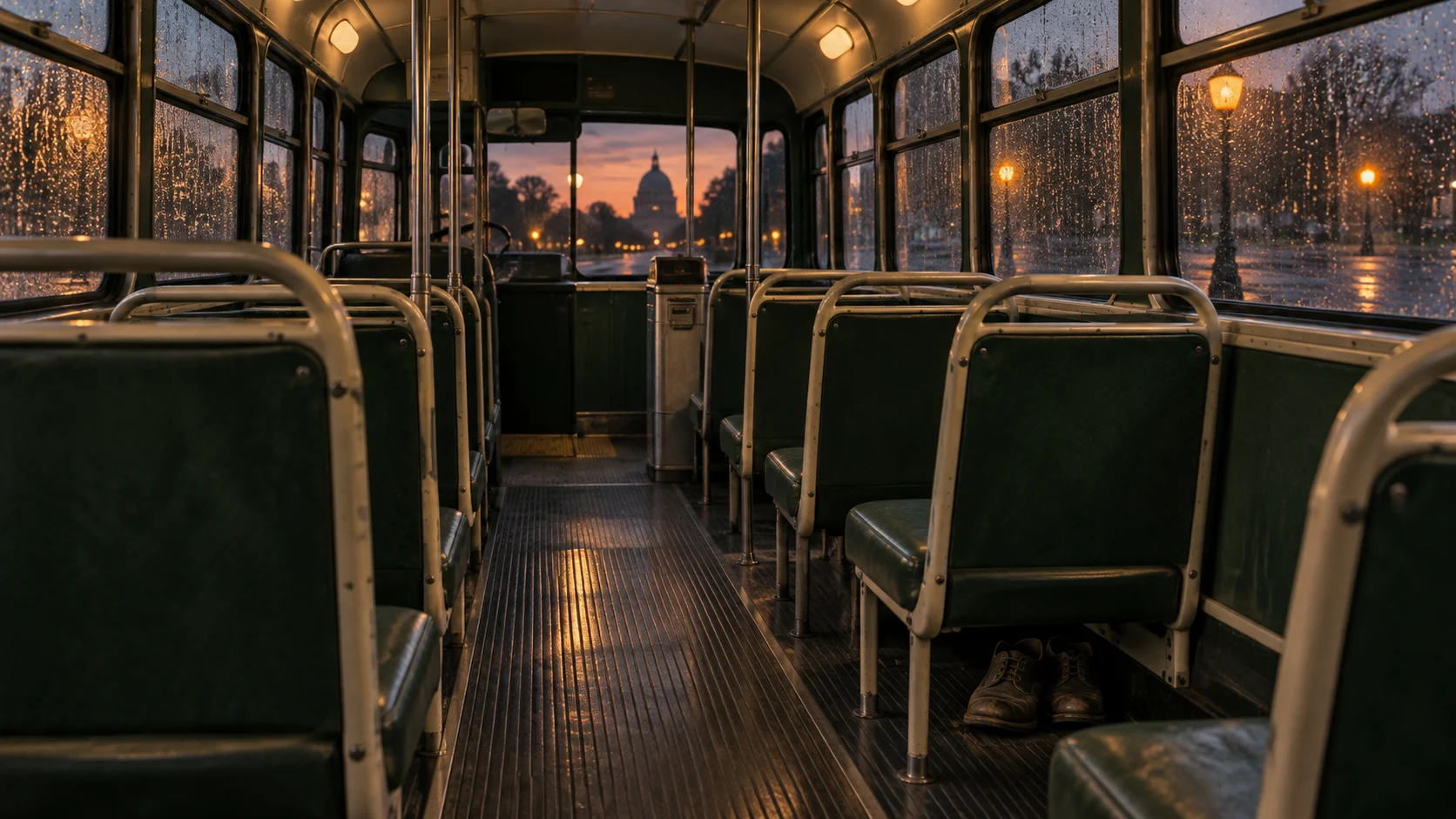
Montgomery and the Power of Boycott
Q: Who refused to give up her bus seat in Montgomery on December 1, 1955?
A: Rosa Parks.
Q: Was Rosa Parks the first Black woman arrested for challenging Montgomery bus segregation?
A: No.
Q: Which teenager challenged Montgomery bus segregation months before Parks?
A: Claudette Colvin.
Q: What protest followed Rosa Parks's arrest?
A: The Montgomery Bus Boycott.
Q: How long did the Montgomery Bus Boycott last?
A: 381 days.
Q: Which organization coordinated the boycott?
A: The Montgomery Improvement Association.
Q: Who became president of the Montgomery Improvement Association?
A: Martin Luther King Jr.
Q: Which educator and activist helped organize the boycott and is often called its mother?
A: Jo Ann Robinson.
Q: What transportation system helped boycotters get to work?
A: A volunteer carpool system.
Q: What Supreme Court case ended segregation on Montgomery buses?
A: Browder v. Gayle.
Q: Which plaintiff in Browder v. Gayle had been arrested as a teenager?
A: Claudette Colvin.
Q: What philosophy guided many of King's campaigns?
A: Nonviolent resistance.
Q: Which Indian independence leader strongly influenced King's approach?
A: Mahatma Gandhi.
Q: What organization of Black churches and ministers was founded in 1957?
A: The Southern Christian Leadership Conference, or SCLC.
Q: Who served as the SCLC's first president?
A: Martin Luther King Jr.
Sit-Ins, Freedom Rides, and Student Activism
Q: In which North Carolina city did four students begin a famous lunch-counter sit-in in 1960?
A: Greensboro.
Q: At what store did the Greensboro sit-in begin?
A: Woolworth's.
Q: What college did the Greensboro Four attend?
A: North Carolina A&T State University.
Q: What student-led civil rights organization formed in 1960?
A: The Student Nonviolent Coordinating Committee, or SNCC.
Q: Which veteran organizer helped bring students together to form SNCC?
A: Ella Baker.
Q: What interracial bus journeys challenged segregation in interstate travel?
A: The Freedom Rides.
Q: In what year did the Freedom Rides begin?
A: 1961.
Q: Which organization launched the first Freedom Ride?
A: The Congress of Racial Equality, or CORE.
Q: Which Alabama town saw a Freedom Riders' bus firebombed?
A: Anniston.
Q: Which future congressman joined the Freedom Rides?
A: John Lewis.
Q: What federal body eventually ordered stronger desegregation rules for interstate travel facilities?
A: The Interstate Commerce Commission.
Q: What were activists practicing when they calmly endured insults and attacks without retaliating?
A: Nonviolent direct action.
Q: Which Nashville activist became SNCC's first chairman?
A: Marion Barry.
Q: Which theologian trained many Nashville students in nonviolent protest?
A: James Lawson.
Q: What economic tactic withheld spending from segregated businesses?
A: A boycott.
Albany, Birmingham, and the March on Washington
Q: What Georgia campaign sought to desegregate an entire city beginning in 1961?
A: The Albany Movement.
Q: Which police chief avoided dramatic confrontations during the Albany campaign?
A: Laurie Pritchett.
Q: Which Alabama city became the focus of a major 1963 desegregation campaign?
A: Birmingham.
Q: What was Birmingham's public safety commissioner commonly called?
A: Bull Connor.
Q: What did Birmingham authorities use against young demonstrators?
A: Police dogs and high-pressure fire hoses.
Q: What was the youth-led phase of the Birmingham campaign called?
A: The Children's Crusade.
Q: What famous text did King write while jailed in Birmingham?
A: Letter from Birmingham Jail.
Q: To whom was King's Birmingham letter addressed?
A: White clergymen who had criticized the demonstrations.
Q: What church was bombed in Birmingham on September 15, 1963?
A: 16th Street Baptist Church.
Q: How many girls were killed in that bombing?
A: Four.
Q: What major civil rights gathering took place in Washington on August 28, 1963?
A: The March on Washington for Jobs and Freedom.
Q: At which memorial did the March on Washington program take place?
A: The Lincoln Memorial.
Q: What famous speech did King deliver there?
A: “I Have a Dream.”
Q: Who was the chief organizer of the March on Washington?
A: Bayard Rustin.
Q: Which labor leader first proposed a mass march on Washington decades earlier?
A: A. Philip Randolph.
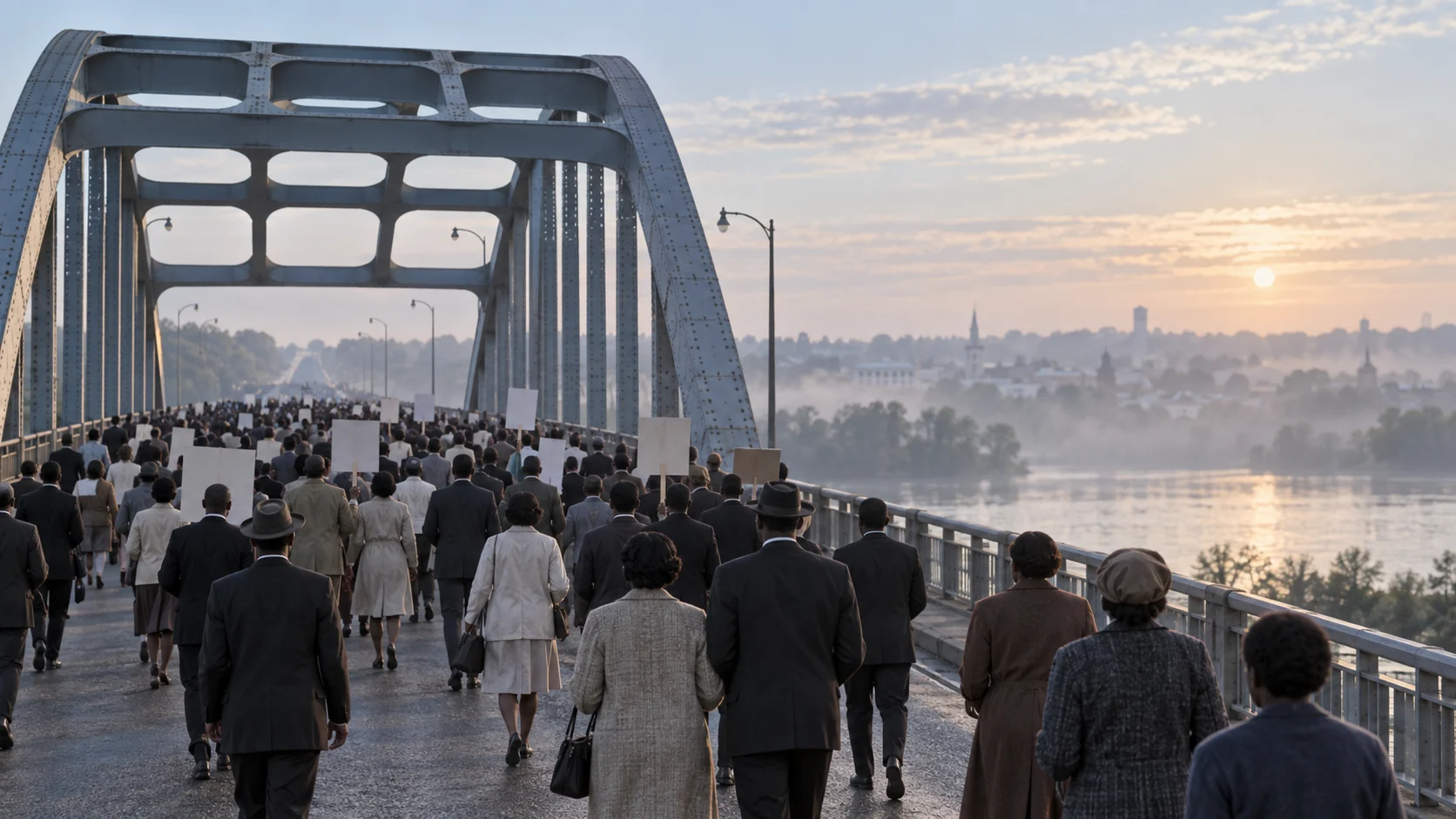
Freedom Summer, Mississippi, and Selma
Q: What 1964 campaign sought to register Black voters in Mississippi?
A: Freedom Summer.
Q: What schools offered classes in Black history, civics, and other subjects during Freedom Summer?
A: Freedom Schools.
Q: Which three civil rights workers were murdered near Philadelphia, Mississippi, in 1964?
A: James Chaney, Andrew Goodman, and Michael Schwerner.
Q: What political party challenged Mississippi's all-white Democratic delegation in 1964?
A: The Mississippi Freedom Democratic Party.
Q: Who gave televised testimony for that party at the 1964 Democratic convention?
A: Fannie Lou Hamer.
Q: What was Hamer's famous statement about oppression and exhaustion?
A: She was “sick and tired of being sick and tired.”
Q: Which Alabama city became the starting point for voting-rights marches in 1965?
A: Selma.
Q: What bridge did marchers cross on Bloody Sunday?
A: The Edmund Pettus Bridge.
Q: On what date did Bloody Sunday occur?
A: March 7, 1965.
Q: Which activist suffered a skull fracture on Bloody Sunday?
A: John Lewis.
Q: What was the destination of the Selma-to-Montgomery march?
A: The Alabama State Capitol.
Q: Which judge cleared the way for the protected march to proceed?
A: Frank M. Johnson Jr.
Q: Which voting-rights activist was killed in Marion, Alabama, in 1965?
A: Jimmie Lee Jackson.
Q: Which Detroit homemaker was killed after participating in the Selma campaign?
A: Viola Liuzzo.
Q: What landmark law followed the Selma campaign?
A: The Voting Rights Act of 1965.
Leaders, Organizers, and Competing Visions
Q: Who led the Nation of Islam before leaving it in 1964?
A: Malcolm X.
Q: What name did Malcolm X adopt after his pilgrimage to Mecca?
A: El-Hajj Malik El-Shabazz.
Q: In what year was Malcolm X assassinated?
A: 1965.
Q: Who popularized the phrase “Black Power” during a 1966 march?
A: Stokely Carmichael, later known as Kwame Ture.
Q: Which organization did Huey P. Newton and Bobby Seale found in Oakland?
A: The Black Panther Party.
Q: What community program became closely associated with the Black Panthers?
A: Free Breakfast for Children.
Q: Which organizer helped build the Mississippi Freedom Democratic Party and later worked in Lowndes County?
A: Bob Moses.
Q: Which SNCC organizer became a leading advocate for Black Power and Pan-Africanism?
A: Stokely Carmichael.
Q: Which activist founded the National Council of Negro Women?
A: Mary McLeod Bethune.
Q: Which civil rights leader headed the National Urban League from 1961 to 1971?
A: Whitney Young.
Q: Which NAACP leader was murdered outside his Mississippi home in 1963?
A: Medgar Evers.
Q: Which Nashville organizer helped keep the Freedom Rides going after violent attacks in 1961?
A: Diane Nash.
Q: Which minister and strategist worked closely with King and later served in Congress?
A: Andrew Young.
Q: Which lawyer directed the NAACP Legal Defense Fund before serving as a federal judge?
A: Constance Baker Motley.
Q: Which Mississippi sharecropper became a powerful voting-rights organizer?
A: Fannie Lou Hamer.
Landmark Laws and an Ongoing Legacy
Q: Which president signed the Civil Rights Act of 1964?
A: Lyndon B. Johnson.
Q: What did Title II of the Civil Rights Act of 1964 prohibit?
A: Discrimination in public accommodations.
Q: What did Title VII address?
A: Employment discrimination.
Q: What agency enforces Title VII workplace protections?
A: The Equal Employment Opportunity Commission.
Q: What did the Voting Rights Act of 1965 target?
A: Racial discrimination in voting.
Q: Which constitutional amendment banned poll taxes in federal elections?
A: The 24th Amendment.
Q: What 1968 law prohibited many forms of housing discrimination?
A: The Fair Housing Act.
Q: Which leader's assassination helped accelerate passage of the Fair Housing Act?
A: Martin Luther King Jr.
Q: In which city was King assassinated?
A: Memphis, Tennessee.
Q: What labor struggle had brought King to Memphis?
A: The sanitation workers' strike.
Q: What words appeared on the Memphis sanitation workers' protest signs?
A: “I Am a Man.”
Q: What campaign was King organizing at the time of his death?
A: The Poor People's Campaign.
Q: What federal holiday honors King?
A: Martin Luther King Jr. Day.
Q: Which Washington memorial honoring King opened in 2011?
A: The Martin Luther King Jr. Memorial.
Q: Did the major laws of the 1960s end racial inequality in the United States?
A: No. They removed key legal barriers, but the work for equality continues.
Courage Worth Remembering
Every name and action in this set belongs to a much larger story of courage, strategy, and community. Continue with our famous people trivia, or explore the wider era through decades trivia.

Ellie Ewert is the founder and author of RandomTrivia.co, blending her passion for research with years of experience in content creation to deliver accurate, engaging, and well-sourced trivia. Dedicated to providing readers with trustworthy and entertaining facts, she applies meticulous fact-checking and SEO expertise to ensure every article meets the highest standards. Read more about our high standards in our Editorial Guidelines.