
Mark September 15 and bring a map, because this heritage month crosses countries, languages, art forms, courtrooms, ballparks, and several excellent dinner plans. These 120 Hispanic Heritage trivia questions celebrate specific histories and people without pretending one label makes every community identical.
Keep exploring with our Mexico trivia, Spanish trivia, and South America trivia.
Hispanic Heritage Month Dates, Origins & Terms
This observance spans two months, several independence anniversaries, and communities that do not fit one tidy label. I am starting with the terms because the quickest way to ruin good trivia is to pretend everybody uses the same word the same way.
Q: When does National Hispanic Heritage Month begin?
A: September 15.
Q: When does National Hispanic Heritage Month end?
A: October 15.
Q: How long does National Hispanic Heritage Month last?
A: Thirty days.
Q: What was the observance originally called in 1968?
A: National Hispanic Heritage Week.
Q: Which president first proclaimed Hispanic Heritage Week?
A: Lyndon B. Johnson.
Q: Which president signed the law expanding the observance to a month?
A: Ronald Reagan.
Q: When was the 30-day observance enacted into law?
A: 1988.
Q: Why does Hispanic Heritage Month begin on September 15?
A: Five Central American countries celebrate independence on that date.
Q: Which five countries celebrate independence on September 15?
A: Costa Rica, El Salvador, Guatemala, Honduras, and Nicaragua.
Q: Which country celebrates independence on September 16?
A: Mexico.
Q: Which country celebrates independence on September 18?
A: Chile.
Q: What broad heritage does the U.S. observance honor?
A: Histories, cultures, and contributions connected with Spain, Mexico, the Caribbean, Central America, and South America.
Q: What does “Hispanic” generally emphasize?
A: Connection to Spanish language, culture, or origin.
Q: What does “Latino” generally emphasize?
A: Origin or ancestry in Latin America.
Q: Which European country is Hispanic but not Latin American?
A: Spain.
Q: Which large South American country is Latin American but not usually classified as Hispanic?
A: Brazil, where Portuguese is the primary language.
Q: What does “Latina” traditionally indicate?
A: A woman or girl of Latin American origin or heritage.
Q: What is “Latine”?
A: A gender-neutral identity term used by some Spanish-speaking communities.
Q: What is “Latinx”?
A: A gender-neutral term used by some people, especially in English-language contexts.
Q: Why should a writer avoid assuming one identity label fits everyone?
A: Preferences vary by person, generation, country, language, and community.
Q: How does the U.S. Census traditionally treat Hispanic origin?
A: As an origin or ethnicity concept distinct from race.
Q: Which races can Hispanic or Latino people identify with?
A: Any race or combination of races.
Q: What does “Afro-Latino” describe?
A: A person with both African ancestry and Latin American identity or heritage.
Q: What does “Chicano” or “Chicana” commonly describe?
A: A Mexican American identity with particular cultural and political history.
Q: What does “Boricua” mean?
A: A person from Puerto Rico or of Puerto Rican heritage.
Q: Where does the word “Boricua” come from?
A: Borikén or Borinquen, Indigenous Taíno names for Puerto Rico.
Q: What does “Tejano” describe?
A: A Texan of Mexican or Spanish cultural heritage, or the related music tradition.
Q: What does “Nuyorican” often describe?
A: Puerto Ricans from or culturally connected with New York City.
Q: Which language has the most native speakers across Hispanic America?
A: Spanish.
Q: Why is Hispanic heritage not limited to the Spanish language?
A: Communities also preserve Indigenous, African, English, Portuguese, and other languages and traditions.
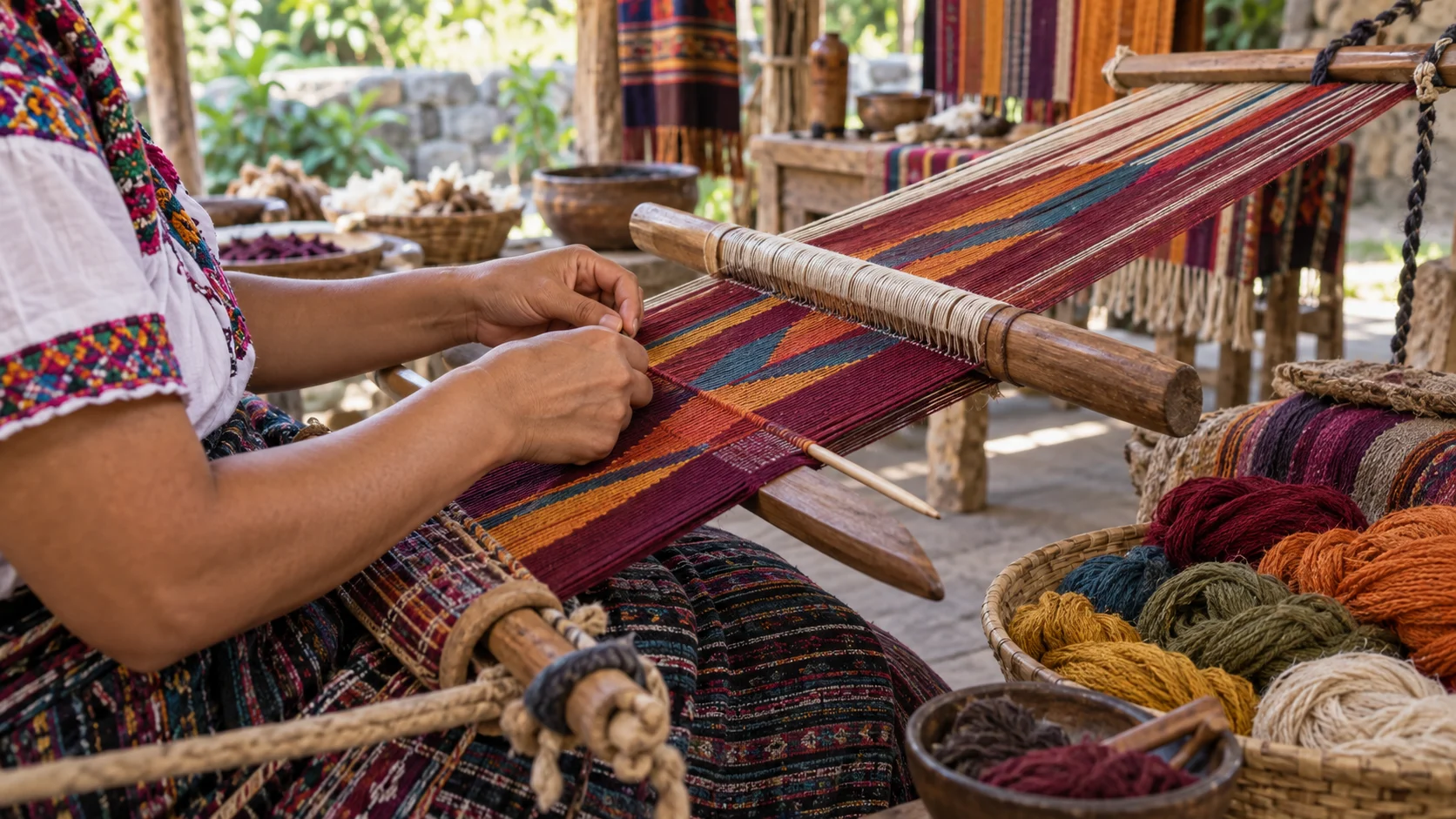
Hispanic & Latino History in the United States
Hispanic history in what is now the United States predates the country itself. That timeline tends to surprise people who start the story in the 20th century and accidentally skip several hundred years.
Q: Which Florida city was founded by Spanish settlers in 1565?
A: St. Augustine.
Q: Why is St. Augustine historically notable?
A: It is the oldest continuously inhabited European-established settlement in the continental United States.
Q: Who founded St. Augustine for Spain?
A: Pedro Menéndez de Avilés.
Q: Which present-day state contains the historic Spanish missions of San Antonio?
A: Texas.
Q: Which 1848 treaty ended the Mexican-American War?
A: The Treaty of Guadalupe Hidalgo.
Q: What large region changed from Mexican to U.S. control after that treaty?
A: Territory including present-day California, Nevada, Utah, and parts of several other states.
Q: What did the Treaty of Guadalupe Hidalgo promise Mexican residents in transferred territory?
A: Choices involving citizenship and legal protections for property and civil rights.
Q: Which 1853 agreement transferred additional land from Mexico to the United States?
A: The Gadsden Purchase.
Q: Which territory became a U.S. possession after the Spanish-American War?
A: Puerto Rico.
Q: When did Puerto Rico become a U.S. territory?
A: 1898.
Q: Which 1917 law granted U.S. citizenship to people born in Puerto Rico?
A: The Jones-Shafroth Act.
Q: Which military unit became known for Puerto Rican service in multiple wars?
A: The 65th Infantry Regiment, nicknamed the Borinqueneers.
Q: Which labor leader co-founded the United Farm Workers?
A: César Chávez.
Q: Who co-founded the United Farm Workers with César Chávez?
A: Dolores Huerta.
Q: What rallying phrase is closely associated with Dolores Huerta?
A: “Sí, se puede,” meaning “Yes, we can.”
Q: What workers did Chávez and Huerta famously organize?
A: Farmworkers, including grape and lettuce workers.
Q: What was the Delano grape strike?
A: A major farmworker strike beginning in California in 1965.
Q: Which Filipino American labor organization began the Delano strike?
A: The Agricultural Workers Organizing Committee.
Q: Why is the Delano strike also part of Filipino American history?
A: Filipino farmworkers led by Larry Itliong launched the walkout before joining with Chávez’s organization.
Q: Which Supreme Court case ended school segregation of Mexican American children in a California district?
A: Mendez v. Westminster.
Q: When was Mendez v. Westminster decided?
A: 1947.
Q: Who were the parents at the center of Mendez v. Westminster?
A: Gonzalo and Felicitas Méndez.
Q: Which 1954 case rejected a murder conviction that excluded Mexican Americans from juries?
A: Hernandez v. Texas.
Q: What did Hernandez v. Texas recognize under the Fourteenth Amendment?
A: Equal protection extends beyond a two-race Black-and-white framework.
Q: What was the Chicano Movement?
A: A civil-rights movement seeking political power, cultural pride, labor rights, and educational equality.
Q: Which 1968 protests saw East Los Angeles students walk out of high schools?
A: The East L.A. Walkouts, also called the Blowouts.
Q: What did students demand during the East L.A. Walkouts?
A: Better education, fair treatment, improved facilities, and respect for Mexican American culture.
Q: Which organization was founded in 1929 to advance civil rights for Hispanic Americans?
A: The League of United Latin American Citizens, or LULAC.
Q: Which Hispanic civil-rights organization is commonly abbreviated MALDEF?
A: The Mexican American Legal Defense and Educational Fund.
Q: What does Hispanic heritage reveal about U.S. history?
A: It is foundational to the nation’s settlement, labor, law, arts, military, and civic life.
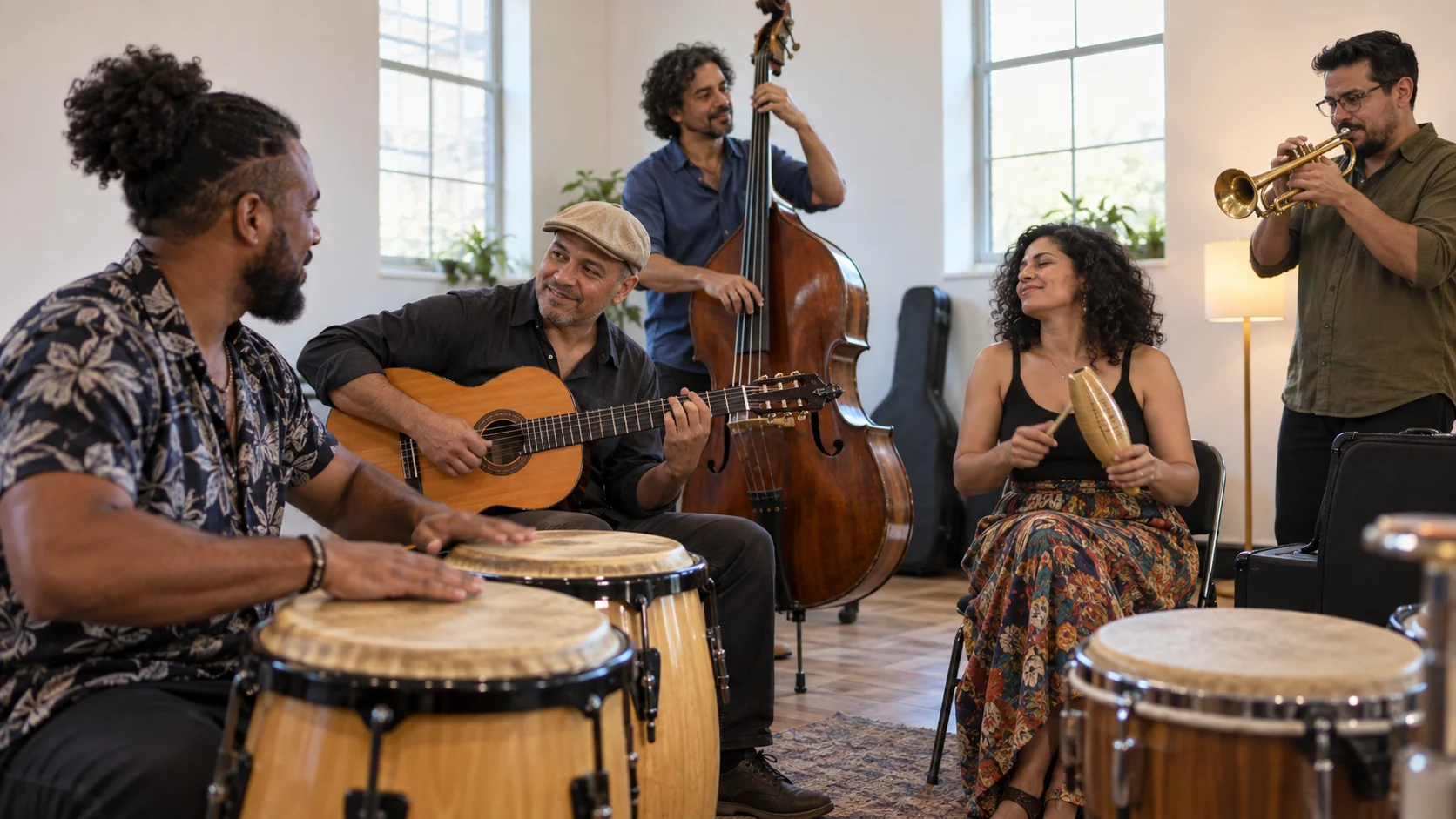
Art, Music, Food & Cultural Traditions
This section is where my grocery list becomes ambitious. The trick is remembering that a taco, a tango, and a plena do not come from one generic culture, even if a party playlist tries to place them back to back.
Q: Which Mexican artist painted many intense self-portraits?
A: Frida Kahlo.
Q: Who painted the mural cycle Detroit Industry?
A: Diego Rivera.
Q: Which Puerto Rican artist was nicknamed the Painter of the People?
A: Rafael Tufiño.
Q: Which Cuban American artist created the earth-body Silueta Series?
A: Ana Mendieta.
Q: Which Dominican American author wrote The Brief Wondrous Life of Oscar Wao?
A: Junot Díaz.
Q: Which Chilean poet wrote Twenty Love Poems and a Song of Despair?
A: Pablo Neruda.
Q: Which Colombian novelist wrote One Hundred Years of Solitude?
A: Gabriel García Márquez.
Q: What literary style is strongly associated with Gabriel García Márquez?
A: Magical realism.
Q: Which Argentine writer created the story “The Library of Babel”?
A: Jorge Luis Borges.
Q: Which Mexican American author wrote The House on Mango Street?
A: Sandra Cisneros.
Q: Which Puerto Rican American playwright wrote In the Heights?
A: Lin-Manuel Miranda.
Q: Which Broadway musical did Lin-Manuel Miranda write about Alexander Hamilton?
A: Hamilton.
Q: Where did salsa music develop into its modern urban form?
A: New York City, drawing heavily from Cuban, Puerto Rican, and other Caribbean traditions.
Q: Which instrument supplies a distinctive scraping rhythm in many Latin genres?
A: The güiro.
Q: What are congas?
A: Tall, narrow hand drums with Afro-Cuban roots.
Q: Which Dominican genre is closely associated with güira and tambora?
A: Merengue.
Q: Which Dominican genre features guitar and partner dancing?
A: Bachata.
Q: Which Puerto Rican music style combines singing, drumming, and dance?
A: Bomba.
Q: Which Puerto Rican genre often features hand drums called panderetas?
A: Plena.
Q: Which music genre developed along the Colombia-Panama Caribbean coast?
A: Cumbia.
Q: Which dance and music genre grew around the Río de la Plata?
A: Tango.
Q: Which Mexican ensemble tradition commonly uses violins, trumpets, and guitars?
A: Mariachi.
Q: Which instrument provides the deep bass in a mariachi ensemble?
A: The guitarrón.
Q: What is masa?
A: Dough traditionally made from nixtamalized corn.
Q: What process treats corn with an alkaline solution to make masa?
A: Nixtamalization.
Q: Which Salvadoran dish is a thick stuffed corn flatbread?
A: A pupusa.
Q: Which Venezuelan and Colombian staple is a round corn cake?
A: An arepa.
Q: What is mofongo?
A: A Puerto Rican dish made from mashed fried green plantains and savory ingredients.
Q: What is ceviche?
A: Seafood cured in citrus juice and seasoned in regional styles.
Q: Why is “Hispanic food” too broad to describe one cuisine?
A: Dozens of countries and communities have distinct ingredients, histories, and regional cooking traditions.
Leaders, Innovators, Athletes & Pop Culture
The names here cross science, courts, spaceflight, sports, and music. I tried to choose questions that reward real knowledge instead of turning living people into a list of inspirational adjectives.
Q: Who became the first Hispanic justice on the U.S. Supreme Court?
A: Sonia Sotomayor.
Q: When did Sonia Sotomayor join the Supreme Court?
A: 2009.
Q: Who was the first Hispanic American woman to travel to space?
A: Ellen Ochoa.
Q: What instrument did Ellen Ochoa play during her first space mission?
A: The flute.
Q: Which physicist shared the 1968 Nobel Prize in Physics for work using the hydrogen bubble chamber?
A: Luis Walter Alvarez.
Q: Which Mexican chemist shared the 1995 Nobel Prize in Chemistry for ozone research?
A: Mario Molina.
Q: Which Puerto Rican physician became the first Latina president of the American Public Health Association?
A: Helen Rodríguez Trías.
Q: Which Costa Rican-born astronaut flew on seven NASA space missions?
A: Franklin Chang-Díaz.
Q: Who became the first Latina elected to the U.S. Congress?
A: Ileana Ros-Lehtinen.
Q: Who became the first Hispanic U.S. Surgeon General?
A: Antonia Coello Novello.
Q: Who became the first Latin American player elected to the Baseball Hall of Fame?
A: Roberto Clemente.
Q: Which career-hit milestone did Roberto Clemente reach in his final regular-season game?
A: Three thousand hits.
Q: Which team did Roberto Clemente play for throughout his MLB career?
A: The Pittsburgh Pirates.
Q: What humanitarian honor bears Roberto Clemente’s name?
A: MLB’s Roberto Clemente Award.
Q: Which Dominican pitcher was inducted into the Baseball Hall of Fame in 2015?
A: Pedro Martínez.
Q: Which Panamanian closer became the first unanimous Baseball Hall of Fame selection?
A: Mariano Rivera.
Q: Which Mexican American boxer was nicknamed the Golden Boy?
A: Oscar De La Hoya.
Q: Which Puerto Rican tennis player won Olympic singles gold in 2016?
A: Mónica Puig.
Q: Which Argentine soccer player captained his country to the 2022 World Cup title?
A: Lionel Messi.
Q: Which Brazilian soccer legend was born Edson Arantes do Nascimento?
A: Pelé, who is Latino but not Hispanic.
Q: Which Cuban American singer was called the Queen of Salsa?
A: Celia Cruz.
Q: What exclamation became closely associated with Celia Cruz?
A: “¡Azúcar!”
Q: Which Tejano singer recorded “Como la Flor”?
A: Selena Quintanilla.
Q: Which Colombian singer recorded “Hips Don’t Lie”?
A: Shakira.
Q: Which Puerto Rican rapper and singer released the album Un Verano Sin Ti?
A: Bad Bunny.
Q: Which Cuban American performer led Miami Sound Machine?
A: Gloria Estefan.
Q: Which Mexican filmmaker directed Roma?
A: Alfonso Cuarón.
Q: Which Mexican director created Pan’s Labyrinth?
A: Guillermo del Toro.
Q: Which Chilean American actor stars as Joel in The Last of Us television series?
A: Pedro Pascal.
Q: What makes Hispanic and Latino achievement impossible to summarize with one country?
A: The communities span many nations, racial identities, migration stories, languages, and local histories.
How Did You Score?
If September 15, Borikén, Mendez v. Westminster, magical realism, bomba, masa, Ellen Ochoa, Roberto Clemente, and Celia Cruz all came easily, your score deserves an enthusiastic “¡Azúcar!” I am celebrating by making a playlist and admitting my dance skills need a separate educational observance.

Ellie Simons creates and edits Random Trivia. She researches trivia using primary and authoritative sources whenever possible and is currently reviewing the site's older trivia library for accuracy, clarity, and playability. Read more on the About page.
About this quiz
Site editor: Ellie Simons. Read our Trivia Methodology to learn how questions are researched and updated. Page last updated: . Report an error.