
I thought I knew South America until the map started asking follow-up questions. These 120 questions cover every sovereign country, major landforms, Indigenous civilizations, independence, wildlife, food, music, cities, and soccer without treating a whole continent like one culture.
Countries, Capitals & the South American Map
Q: How many sovereign countries are in South America?
A: Twelve.
Q: Which South American territory is an overseas department of France?
A: French Guiana.
Q: Which country covers the largest area in South America?
A: Brazil.
Q: Which sovereign country is the smallest by area in South America?
A: Suriname.
Q: What is the capital of Argentina?
A: Buenos Aires.
Q: What is the constitutional capital of Bolivia?
A: Sucre.
Q: Which Bolivian city is the seat of government?
A: La Paz.
Q: What is the capital of Brazil?
A: Brasilia.
Q: What is the capital of Chile?
A: Santiago.
Q: What is the capital of Colombia?
A: Bogota.
Q: What is the capital of Ecuador?
A: Quito.
Q: What is the capital of Guyana?
A: Georgetown.
Q: What is the capital of Paraguay?
A: Asuncion.
Q: What is the capital of Peru?
A: Lima.
Q: What is the capital of Suriname?
A: Paramaribo.
Q: What is the capital of Uruguay?
A: Montevideo.
Q: What is the capital of Venezuela?
A: Caracas.
Q: Which two South American countries are landlocked?
A: Bolivia and Paraguay.
Q: Which two oceans border South America?
A: The Atlantic and Pacific Oceans.
Q: Which sea borders the continent’s northern coast?
A: The Caribbean Sea.
Q: Which country occupies most of South America’s eastern bulge?
A: Brazil.
Q: Which long, narrow country stretches down the Pacific coast?
A: Chile.
Q: Which country lies between Colombia and Peru on the Pacific?
A: Ecuador.
Q: Which three South American countries are commonly grouped as the Guianas?
A: Guyana, Suriname, and French Guiana.
Q: Which South American country has Dutch as its official language?
A: Suriname.
Q: Which South American country has English as its official language?
A: Guyana.
Q: Which language is official and dominant in Brazil?
A: Portuguese.
Q: Which language is official in French Guiana?
A: French.
Q: Which two European languages dominate most other South American governments?
A: Spanish and Portuguese.
Q: Which imaginary line crosses Ecuador, Colombia, and Brazil?
A: The equator.
Mountains, Rivers, Deserts & Wildlife
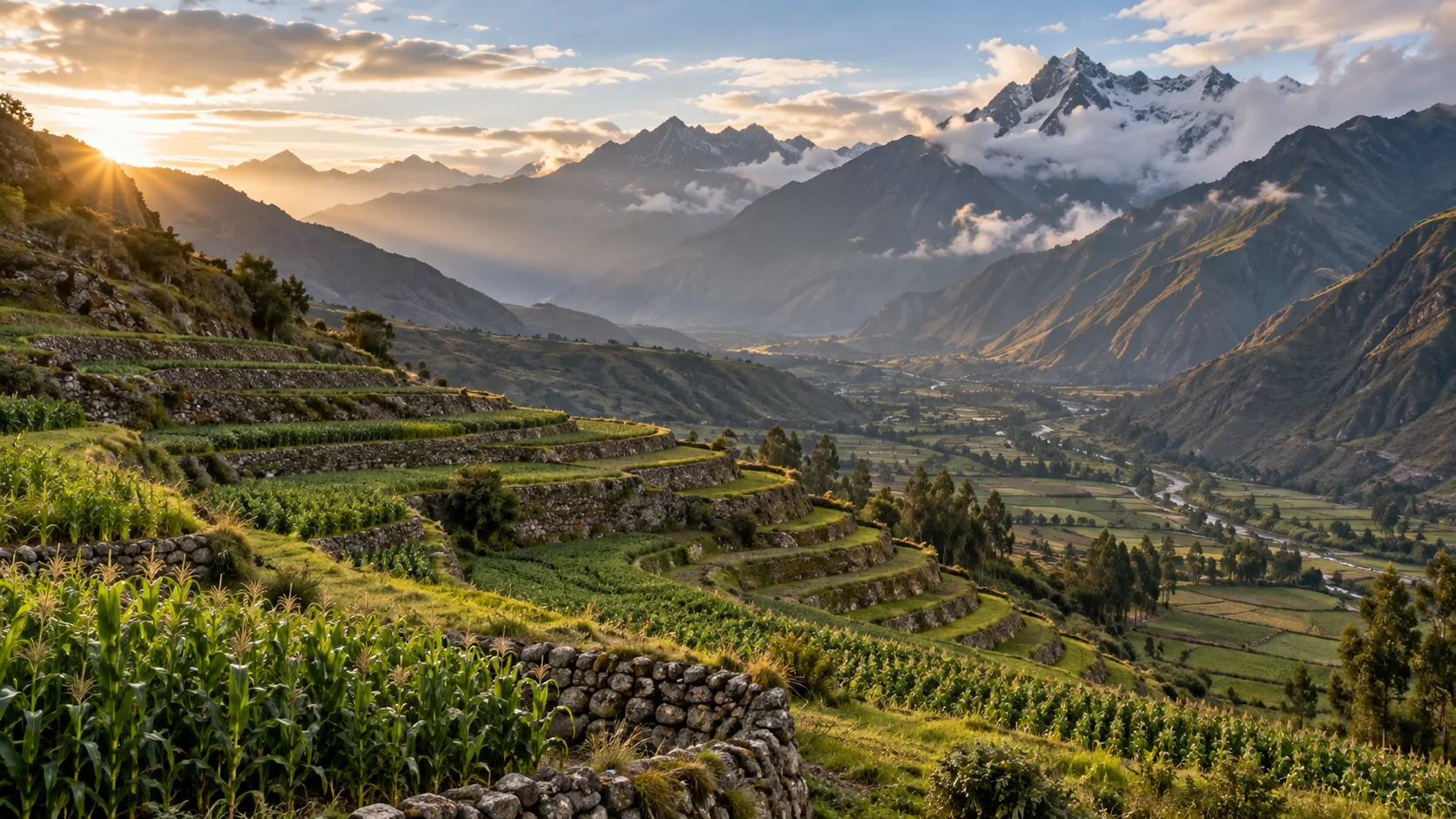
Q: What is the world’s longest continental mountain range?
A: The Andes.
Q: Along which side of South America do the Andes run?
A: The western side.
Q: What is the highest mountain in South America?
A: Aconcagua.
Q: In which country is Aconcagua located?
A: Argentina.
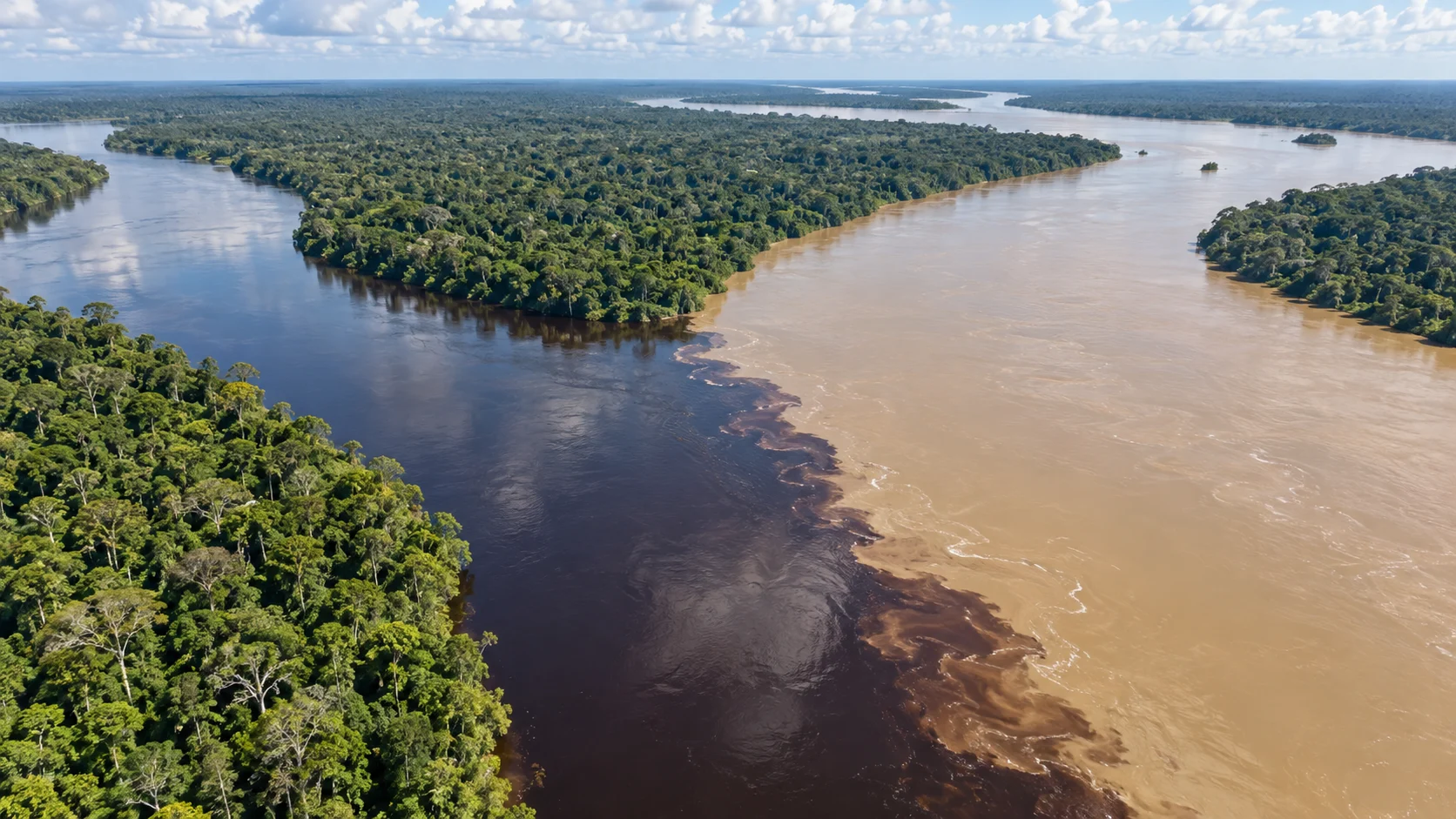
Q: What river carries more water than any other river on Earth?
A: The Amazon River.
Q: Into which ocean does the Amazon River flow?
A: The Atlantic Ocean.
Q: Which country contains most of the Amazon rainforest?
A: Brazil.
Q: What is the world’s largest tropical rainforest?
A: The Amazon rainforest.
Q: Which desert in northern Chile is among the driest places on Earth?
A: The Atacama Desert.
Q: What high plateau spans parts of Bolivia, Peru, Chile, and Argentina?
A: The Altiplano.
Q: What is the world’s highest navigable lake for large commercial vessels?
A: Lake Titicaca.
Q: Which two countries share Lake Titicaca?
A: Peru and Bolivia.
Q: What is the world’s tallest uninterrupted waterfall?
A: Angel Falls.
Q: In which country is Angel Falls located?
A: Venezuela.
Q: What massive waterfall system lies on the Argentina-Brazil border?
A: Iguazu Falls.
Q: What enormous wetland spreads mainly across Brazil, Bolivia, and Paraguay?
A: The Pantanal.
Q: What grassland region covers much of central Argentina and Uruguay?
A: The Pampas.
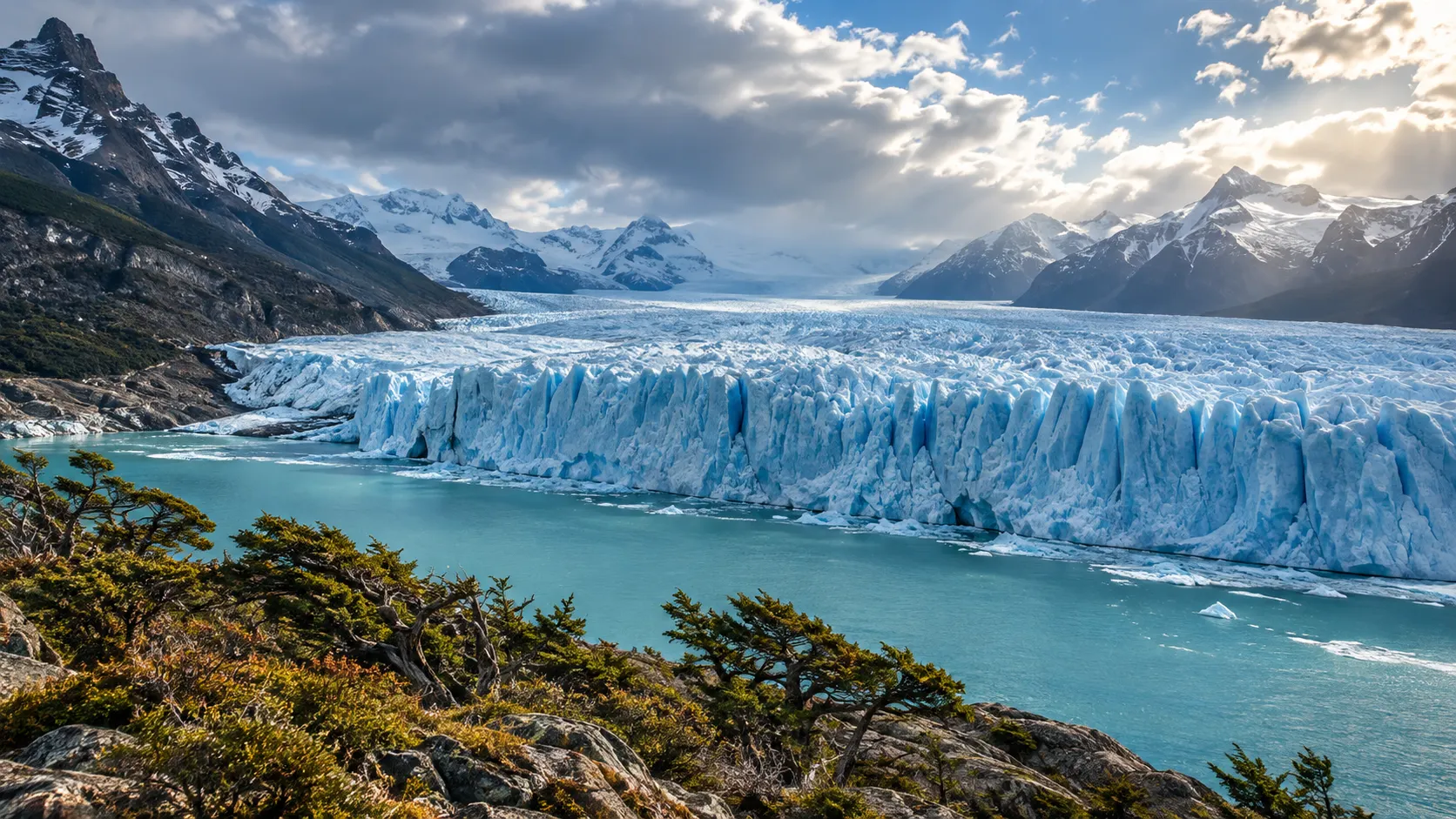
Q: What windswept region occupies southern Argentina and Chile?
A: Patagonia.
Q: What archipelago lies off the southern tip of the continent?
A: Tierra del Fuego.
Q: What strait separates mainland South America from Tierra del Fuego?
A: The Strait of Magellan.
Q: What cape is located on Hornos Island south of Tierra del Fuego?
A: Cape Horn.
Q: Which current carries cold water northward along the Pacific coast?
A: The Humboldt, or Peru, Current.
Q: What weather pattern periodically warms the tropical eastern Pacific?
A: El Nino.
Q: Which camelid is widely domesticated in the Andes as a pack animal?
A: The llama.
Q: Which Andean camelid is especially valued for fine fleece?
A: The alpaca.
Q: What is the largest wild cat in South America?
A: The jaguar.
Q: Which giant snake lives in South American wetlands and rivers?
A: The green anaconda.
Q: What is the world’s largest rodent?
A: The capybara.
Q: Which flightless bird of South American grasslands resembles an ostrich?
A: The rhea.
Q: Which large bird rides Andean air currents on a wingspan exceeding 10 feet?
A: The Andean condor.
Indigenous Civilizations, Empires & Independence
Q: Which civilization built Machu Picchu?
A: The Inca.
Q: Near which modern Peruvian city is Machu Picchu located?
A: Cusco.
Q: What city served as the Inca imperial capital?
A: Cusco.
Q: What was the Inca Empire called in Quechua?
A: Tawantinsuyu.
Q: What road system linked the Inca Empire?
A: The Qhapaq Nan, or Inca road system.
Q: What knotted-cord devices did the Inca use for recordkeeping?
A: Quipus, also spelled khipus.
Q: Which pre-Inca civilization created the Nazca Lines?
A: The Nazca culture.
Q: In which country are the Nazca Lines?
A: Peru.
Q: Which civilization built the city of Chan Chan?
A: The Chimu.
Q: Which ancient culture flourished around Lake Titicaca at Tiwanaku?
A: The Tiwanaku civilization.
Q: Which people created large stone statues on Easter Island?
A: The Rapa Nui.
Q: What are the monumental Rapa Nui statues called?
A: Moai.
Q: Which present-day country administers Easter Island?
A: Chile.
Q: Which Indigenous language remains widely spoken in Peru and Bolivia?
A: Quechua.
Q: Which Indigenous language is official and widely spoken in Paraguay?
A: Guarani.
Q: Which European kingdom colonized Brazil?
A: Portugal.
Q: Which European empire colonized most of Spanish-speaking South America?
A: Spain.
Q: Which treaty divided newly claimed lands between Spain and Portugal in 1494?
A: The Treaty of Tordesillas.
Q: Who became a leading liberator of northern South America?
A: Simon Bolivar.
Q: Which South American country is named after Simon Bolivar?
A: Bolivia.
Q: Who led major independence campaigns in Argentina, Chile, and Peru?
A: Jose de San Martin.
Q: Which battle in 1824 helped secure South American independence from Spain?
A: The Battle of Ayacucho.
Q: When did Brazil declare independence from Portugal?
A: 1822.
Q: Who became the first emperor of independent Brazil?
A: Pedro I.
Q: Which country gained independence after a struggle associated with Jose Gervasio Artigas?
A: Uruguay.
Q: What nineteenth-century war pitted Paraguay against Brazil, Argentina, and Uruguay?
A: The War of the Triple Alliance.
Q: What war between Chile, Peru, and Bolivia ended in 1884?
A: The War of the Pacific.
Q: What territory did Bolivia lose access to after the War of the Pacific?
A: Its Pacific coastline.
Q: What 1982 conflict involved Argentina and the United Kingdom?
A: The Falklands War.
Q: What truth and reconciliation issue shaped several countries after military dictatorships?
A: Accounting for disappearances, torture, and other human-rights abuses.
Cities, Food, Music, Sports & Modern Culture
Q: Which city is the most populous in South America?
A: Sao Paulo.
Q: Which river estuary lies beside Buenos Aires and Montevideo?
A: The Rio de la Plata.
Q: Which planned capital replaced Rio de Janeiro as Brazil’s capital in 1960?
A: Brasilia.
Q: Who was the principal architect of many major civic buildings in Brasilia?
A: Oscar Niemeyer.
Q: Which Colombian city is famous for its high-altitude setting and Gold Museum?
A: Bogota.
Q: Which Ecuadorian capital has one of Latin America’s best-preserved historic centers?
A: Quito.
Q: Which Peruvian city is known as the White City because of pale volcanic stone?
A: Arequipa.
Q: Which Chilean port city is known for steep hills, elevators, and colorful houses?
A: Valparaiso.
Q: Which Brazilian city hosts the famous samba parade at the Sambadrome?
A: Rio de Janeiro.
Q: What giant statue overlooks Rio de Janeiro from Corcovado Mountain?
A: Christ the Redeemer.
Q: Which dance and music tradition developed around the Rio de la Plata?
A: Tango.
Q: Which Brazilian music style is central to Rio Carnival?
A: Samba.
Q: Which Colombian coastal music and dance spread widely across Latin America?
A: Cumbia.
Q: What names are commonly used for a traditional Andean panpipe?
A: Siku and zampoña.
Q: What is ceviche?
A: Seafood cured in citrus juice and seasoned in regional styles.
Q: Which Peruvian dish combines beef, onions, tomatoes, and french fries in a stir-fry?
A: Lomo saltado.
Q: Which Argentine and Uruguayan preparation centers on grilled meat?
A: Asado.
Q: What herbal drink is shared from a gourd in Argentina, Uruguay, Paraguay, and southern Brazil?
A: Yerba mate.
Q: Which Brazilian stew commonly combines black beans with meat?
A: Feijoada.
Q: What Venezuelan and Colombian staple is a round corn cake?
A: An arepa.
Q: What Ecuadorian hat is internationally mislabeled as a Panama hat?
A: The toquilla straw hat.
Q: Which country has won the men’s FIFA World Cup five times?
A: Brazil.
Q: Which two other South American countries have won the men’s FIFA World Cup?
A: Argentina and Uruguay.
Q: Which country hosted and won the first men’s FIFA World Cup in 1930?
A: Uruguay.
Q: What annual club soccer tournament crowns South America’s champion?
A: The Copa Libertadores.
Q: What national-team tournament is South America’s continental championship?
A: The Copa America.
Q: Which Argentine writer created stories collected in Ficciones?
A: Jorge Luis Borges.
Q: Which Colombian novelist wrote One Hundred Years of Solitude?
A: Gabriel Garcia Marquez.
Q: Which Chilean poet won the 1971 Nobel Prize in Literature?
A: Pablo Neruda.
Q: Which Brazilian author wrote The Alchemist?
A: Paulo Coelho.
How Did You Score?
If Sucre, the Humboldt Current, Tawantinsuyu, Ayacucho, toquilla straw, and the Copa Libertadores all came easily, your continental map is in excellent shape. I am still keeping Bolivia’s two-capital answer on a note card because that question has ended many cheerful trivia streaks.

Ellie Simons creates and edits Random Trivia. She researches trivia using primary and authoritative sources whenever possible and is currently reviewing the site's older trivia library for accuracy, clarity, and playability. Read more on the About page.
About this quiz
Site editor: Ellie Simons. Read our Trivia Methodology to learn how questions are researched and updated. Page last updated: . Report an error.