
Grab your coat of many colors. These 100 Dolly Parton trivia questions cover “Jolene,” “I Will Always Love You,” “9 to 5,” Porter Wagoner, Smoky Mountains roots, movies, Dollywood, songwriting, country music, rhinestones, the Imagination Library, philanthropy, and a career built on being both in on the joke and very serious about the work.
Smoky Mountains, Family & Early Dolly
Q: What is Dolly Parton's full name?
A: Dolly Rebecca Parton.
Q: When was Dolly born?
A: January 19, 1946.
Q: What state was she born in?
A: Tennessee.
Q: What mountain region shaped Dolly's childhood?
A: Great Smoky Mountains.
Q: What county is associated with her birthplace?
A: Sevier County.
Q: Was Dolly raised wealthy?
A: No. She grew up in a large family with very limited money.
Q: How many children were in the Parton family?
A: Twelve.
Q: What was Dolly's father's name?
A: Robert Lee Parton.
Q: What was her mother's name?
A: Avie Lee Parton.
Q: What did Dolly's father do?
A: Farm and construction-related work among jobs supporting the family.
Q: What did Dolly's mother contribute musically?
A: Songs, storytelling, and Appalachian family traditions.
Q: Where did Dolly sing as a child?
A: Church.
Q: What instrument did she learn young?
A: Guitar.
Q: What city did Dolly move to immediately after high school?
A: Nashville.
Q: Who did Dolly meet at a laundromat shortly after arriving?
A: Carl Dean.
Q: Who did Dolly marry?
A: Carl Dean.
Q: Was Carl Dean a major public celebrity?
A: No. He famously preferred privacy.
Q: What song tells a childhood story about handmade clothing?
A: “Coat of Many Colors.”
Q: Who made the coat in Dolly Parton’s “Coat of Many Colors”?
A: Dolly's mother.
Q: Which biblical story does the mother mention in “Coat of Many Colors”?
A: Joseph's coat of many colors.
Q: Is the coat story based on Dolly's real childhood?
A: Yes, though songwriting naturally shapes memory into narrative.
Q: What kind of music influenced Dolly besides country?
A: Gospel, Appalachian folk, bluegrass, pop, and traditional ballads.
Q: What skill made Dolly valuable before she was a star singer?
A: Songwriting.
Q: What label first released some early Dolly recordings?
A: Monument Records.
Q: Was the label initially convinced Dolly should sing country?
A: No. She was pushed toward pop before breaking through in country.
Q: What song became an early country success?
A: “Dumb Blonde.”
Q: Did Dolly write “Dumb Blonde”?
A: No. Curly Putman wrote it.
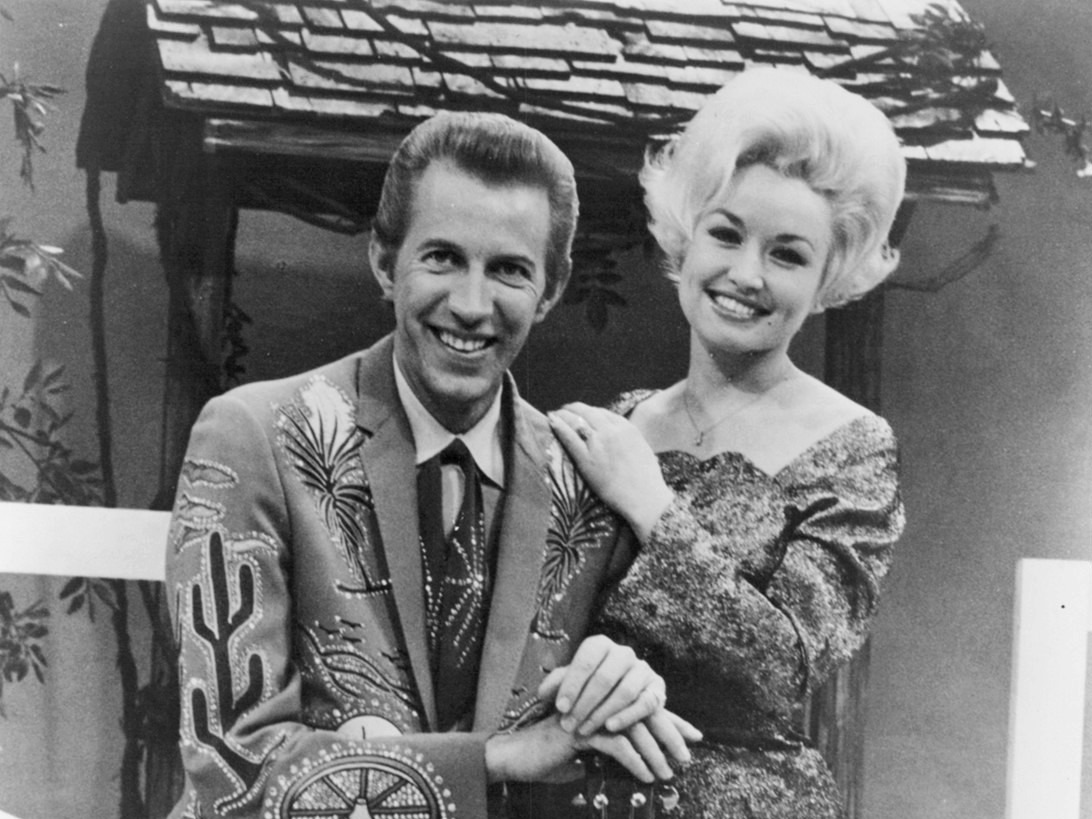
Porter Wagoner, Jolene & I Will Always Love You
Q: What television star invited Dolly to join his show?
A: Porter Wagoner.
Q: Which television show did Dolly Parton join with Porter Wagoner?
A: The Porter Wagoner Show.
Q: What relationship did Dolly and Porter have professionally?
A: Duet partners and business collaborators.
Q: Did audiences immediately accept Dolly replacing Porter's previous female singer?
A: No, but she won them over.
Q: What did Porter help Dolly gain?
A: National television exposure and stronger country-market visibility.
Q: What eventually caused tension?
A: Dolly wanted an independent solo career.
Q: What song did Dolly write as a farewell to Porter?
A: “I Will Always Love You.”
Q: Was “I Will Always Love You” originally written as a romantic breakup song?
A: No. It was a professional farewell.
Q: In what year did Dolly's original version become a hit?
A: 1974.
Q: Did Dolly Parton later rerecord “I Will Always Love You”?
A: Yes.
Q: What singer made a huge 1992 cover?
A: Whitney Houston.
Q: What film featured Whitney's version?
A: The Bodyguard.
Q: What Elvis Presley story is associated with the song?
A: Elvis wanted to record it, but Dolly declined a publishing deal requiring a share of her songwriting rights.
Q: What red-haired bank employee inspired the name “Jolene”?
A: Dolly has said the name came from a young fan, while the song's jealousy was inspired by a bank teller who flirted with Carl.
Q: What does the narrator ask Jolene not to do?
A: Take her man.
Q: Does Dolly insult Jolene's appearance?
A: No. She describes her as extraordinarily beautiful.
Q: What album is titled Jolene?
A: Dolly's 1974 album Jolene.
Q: Which other famous Dolly Parton song appears on her album Jolene?
A: “I Will Always Love You.”
Q: Were “Jolene” and “I Will Always Love You” written around the same period?
A: Yes.
Q: What feat does Dolly say about writing them?
A: She has recalled they may have been written on the same day, though the exact date is not firmly documented.
Q: Did Dolly and Porter remain enemies forever?
A: No. They reconciled personally later.
Q: What did Dolly do for Porter late in his life?
A: Visited and sang “I Will Always Love You” to him.
Q: What is Dolly's songwriting style often built on?
A: Clear stories, memorable phrases, emotional directness, humor, and Appalachian storytelling.
9 to 5, Movies, Dollywood & Pop Crossover
Q: What 1980 film marked Dolly's movie debut?
A: 9 to 5.
Q: Who co-starred with Dolly Parton in the 1980 film 9 to 5?
A: Jane Fonda and Lily Tomlin.
Q: What is Dolly's character's name?
A: Doralee Rhodes.
Q: What workplace problem drives the film?
A: Sexism and abuse by a terrible boss.
Q: What song did Dolly write for the movie?
A: “9 to 5.”
Q: What sound opens Dolly Parton’s song “9 to 5”?
A: A clicking rhythm resembling a typewriter.
Q: How did Dolly Parton create the typewriter-like sound in “9 to 5”?
A: By clicking her acrylic fingernails together.
Q: What chart crossover did “9 to 5” achieve?
A: It topped country and pop charts in the U.S.
Q: What workplace issue does “9 to 5” address?
A: Frustration with workplace exploitation and lack of recognition.
Q: What 1982 musical film stars Dolly with Burt Reynolds?
A: The Best Little Whorehouse in Texas.
Q: Which Dolly Parton song was rerecorded for The Best Little Whorehouse in Texas?
A: “I Will Always Love You.”
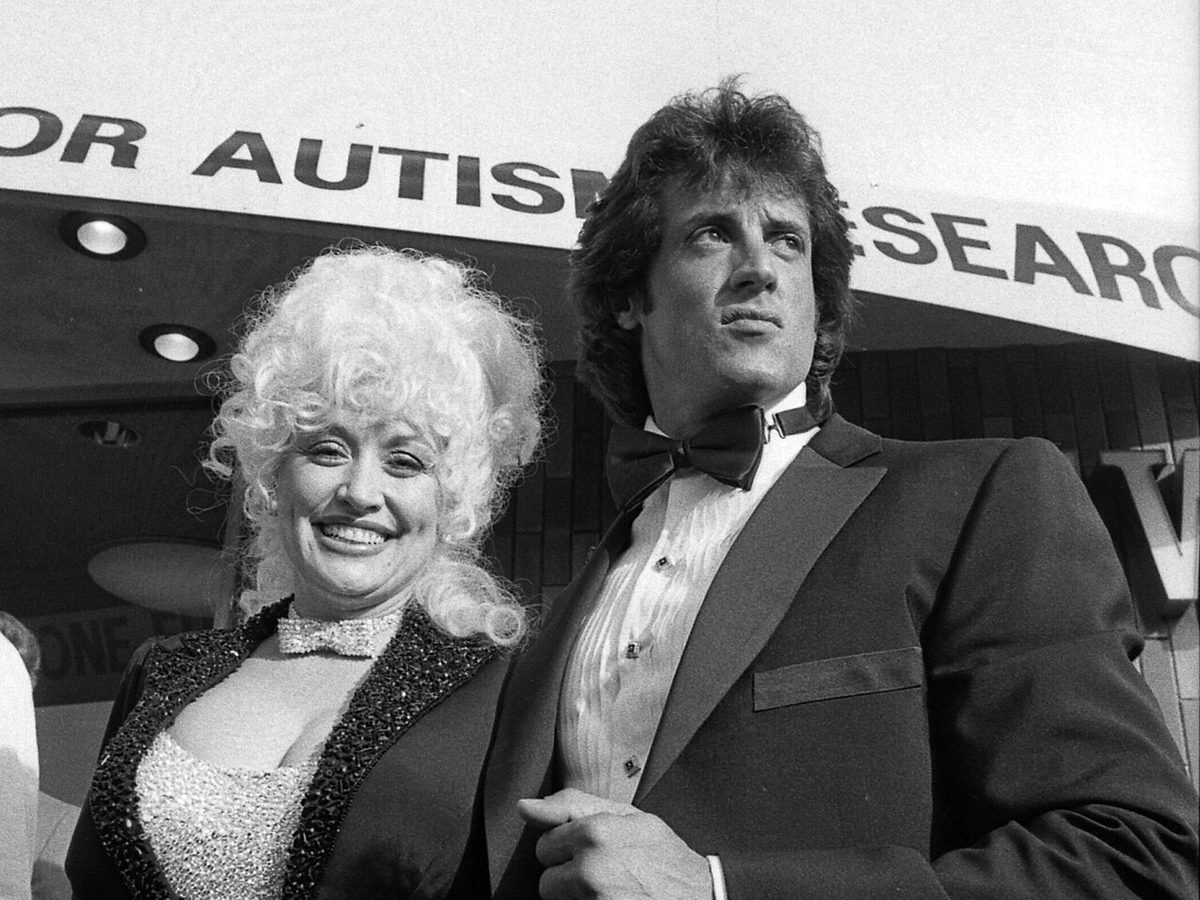
Q: What 1984 film stars Dolly with Sylvester Stallone?
A: Rhinestone.
Q: What 1989 ensemble film features Dolly as Truvy?
A: Steel Magnolias.
Q: What is Truvy's profession?
A: Beauty salon owner.
Q: What Tennessee attraction is strongly associated with Dolly?
A: Dollywood.
Q: Where is Dollywood?
A: Pigeon Forge, Tennessee.
Q: Is Dollywood only an amusement park?
A: It is a theme park and part of a larger hospitality and entertainment destination.
Q: What region does it celebrate culturally?
A: Smoky Mountains and Appalachian heritage.
Q: What does Dollywood provide economically?
A: Major tourism and employment in Dolly's home region.
Q: What supergroup did Dolly form with Linda Ronstadt and Emmylou Harris?
A: Trio.
Q: What is their 1987 album called?
A: Trio.
Q: What styles does the trio project blend?
A: Country, folk, bluegrass, and harmony singing.
Q: What Bee Gees-written duet did Dolly record with Kenny Rogers?
A: “Islands in the Stream.”
Q: In what year was Dolly Parton and Kenny Rogers’s “Islands in the Stream” released?
A: 1983.
Q: What is Dolly's relationship with visual glamour?
A: She deliberately embraces wigs, rhinestones, exaggerated makeup, and high femininity.
Q: Does she pretend the look is natural?
A: No. She jokes openly about constructing it.
Q: What famous line summarizes her attitude toward style?
A: Variations of “It costs a lot of money to look this cheap.”
Imagination Library, Philanthropy, Rock & Hard Dolly Trivia
Q: What children's literacy program did Dolly launch?
A: Dolly Parton's Imagination Library.
Q: In what year did Dolly Parton’s Imagination Library begin?
A: 1995.
Q: In which Tennessee county did Dolly Parton’s Imagination Library begin?
A: Sevier County, Tennessee.
Q: What does the program provide?
A: Free books mailed regularly to enrolled young children.
Q: What personal inspiration influenced the program?
A: Dolly's father could not read or write.
Q: Did the program remain only in Tennessee?
A: No. It expanded internationally.
Q: What 2016 disaster prompted major Dolly relief work?
A: Great Smoky Mountains wildfires.
Q: What fund did Dolly Parton create for families affected by the 2016 Great Smoky Mountains wildfires?
A: My People Fund.
Q: What medical research did Dolly donate to during the COVID-19 pandemic?
A: Vanderbilt research that contributed to Moderna vaccine development.
Q: What Hall of Fame inducted Dolly in 1999?
A: Country Music Hall of Fame.
Q: What Hall of Fame inducted her in 2022?
A: Rock & Roll Hall of Fame.
Q: Did Dolly initially embrace the Rock Hall nomination?
A: She initially tried to withdraw, saying she did not feel she had earned a rock designation.
Q: What happened?
A: She learned the Hall's definition was broad, accepted the honor, and later made a rock album.
Q: What 2023 album explores rock music?
A: Rockstar.
Q: Does Rockstar contain only original songs?
A: No. It includes many covers and collaborations.
Q: What instrument is central to “Jolene”?
A: Acoustic guitar.
Q: What song is autobiographical about a handmade garment?
A: “Coat of Many Colors.”
Q: What song was written as a goodbye to Porter Wagoner?
A: “I Will Always Love You.”
Q: What song was created for a workplace comedy film?
A: “9 to 5.”
Q: What duet pairs Dolly with Kenny Rogers?
A: “Islands in the Stream.”
Q: What song pairs Dolly's vulnerability with another woman's beauty?
A: “Jolene.”
Q: What does Dolly say is more important than looking sophisticated?
A: Being herself, working hard, and connecting with people, themes she repeats across interviews and songs.
Q: What has Dolly generally avoided in public politics?
A: Strong partisan branding, preferring broad charitable and humanitarian messages.
How Did You Score?
If Sevier County, Porter Wagoner, the bank teller behind “Jolene,” the typewriter fingernails, Trio, My People Fund, the Imagination Library, and Rockstar all came easily, your Dolly trivia sparkles.

Ellie Simons creates and edits Random Trivia. She researches trivia using primary and authoritative sources whenever possible and is currently reviewing the site's older trivia library for accuracy, clarity, and playability. Read more on the About page.
Explore more questions in our music trivia guide.
About this quiz
Site editor: Ellie Simons. Read our Trivia Methodology to learn how questions are researched and updated. Page last updated: . Report an error.