
Touch gloves. These 120 boxing trivia questions cover jabs, hooks, uppercuts, scoring, knockdowns, weight classes, Olympic boxing, heavyweight history, legendary champions, famous rivalries, women’s milestones, iconic venues, and the vocabulary that makes a boxing broadcast sound like a second language.
The first round is a warm-up. The final one goes the championship distance.
Why Boxing Makes Great Trivia
Boxing is one of the world’s oldest organized combat sports, but modern boxing is full of carefully defined rules, weight divisions, scoring systems, governing bodies, amateur traditions, and professional championship lineages. Its history also produced some of sport’s most recognizable personalities and rivalries.
Rules and Olympic history here are checked against international boxing rules and official Olympic records. For more competition questions, try our sports trivia, Olympics trivia, and combat-sports style questions as that library grows.
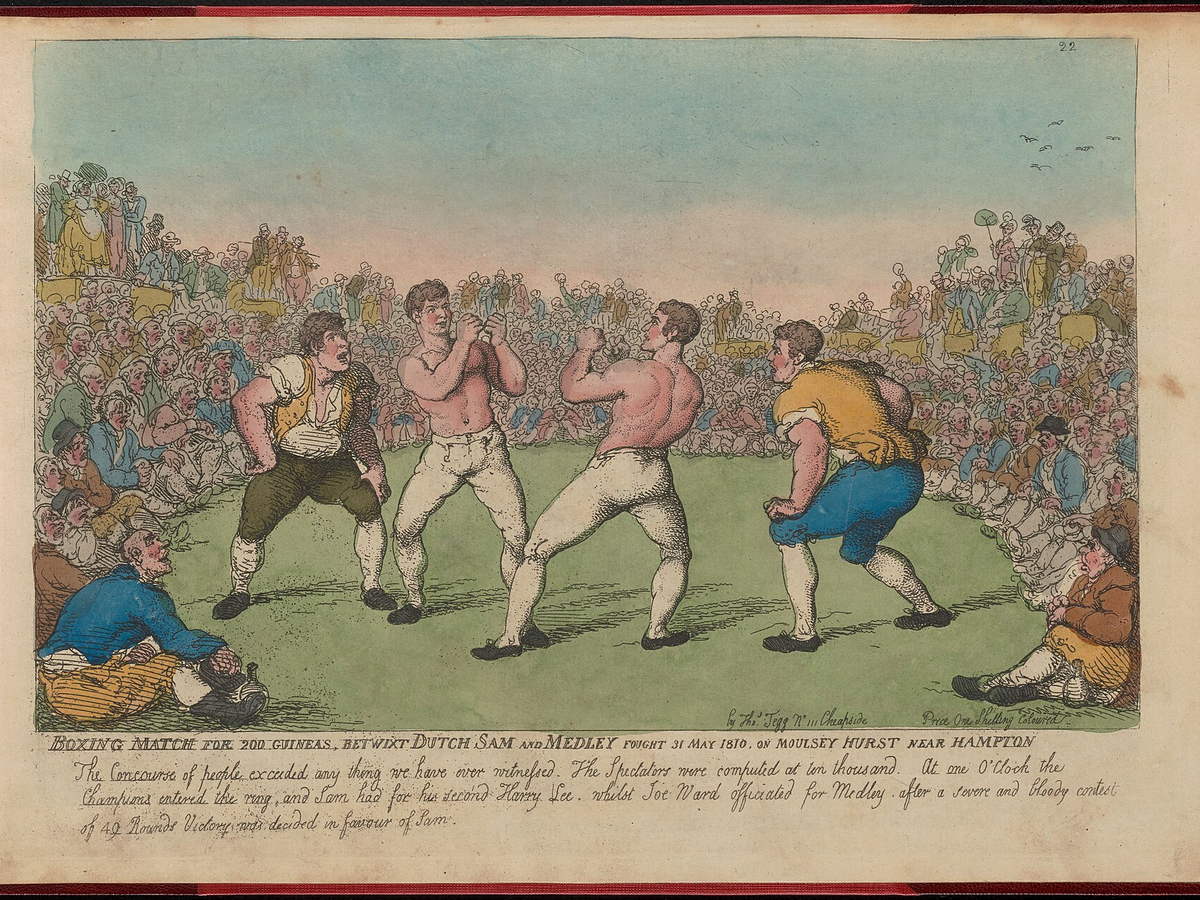
Boxing Basics, Punches & Ring Language
Q: What is a jab?
A: A quick straight punch thrown with the lead hand.
Q: What is a cross?
A: A straight power punch thrown with the rear hand.
Q: What is a hook?
A: A punch delivered in a curved horizontal path, often aimed at the head or body.
Q: What is an uppercut?
A: An upward-arcing punch typically aimed at the chin or body.
Q: What does orthodox stance usually mean?
A: The boxer leads with the left hand and left foot, with the stronger right hand at the rear.
Q: What does southpaw stance usually mean?
A: The boxer leads with the right hand and right foot, with the left hand at the rear.
Q: What is a combination?
A: A planned or improvised sequence of punches thrown in succession.
Q: What does “working the body” mean?
A: Deliberately targeting legal areas of the opponent’s torso rather than focusing only on the head.
Q: What is a clinch?
A: A close-range tie-up in which fighters hold or smother one another’s offense until separated.
Q: What is footwork?
A: The movement used to control distance, angles, balance, and position.
Q: What is a feint?
A: A deceptive movement intended to provoke a reaction without committing fully to an attack.
Q: What is a counterpunch?
A: A punch thrown in response to an opponent’s attack, often exploiting an opening created by that attack.
Q: What does “on the ropes” literally mean?
A: A boxer is positioned against or very near the ring ropes.
Q: What is a corner in boxing?
A: The assigned area where a fighter’s trainer and seconds provide advice and care between rounds.
Q: What does the opening bell signal?
A: The beginning of a round.
Rounds, Scoring, Knockdowns & Decisions
Q: How long is a standard professional men’s championship round?
A: Three minutes.
Q: How long is the rest period between professional rounds?
A: One minute.
Q: How many rounds are scheduled in most modern men’s world-title fights?
A: Twelve.
Q: Did major championship fights historically run longer than 12 rounds?
A: Yes. Fifteen-round championship fights were once common.
Q: What scoring system is widely used in professional boxing?
A: The 10-point must system.
Q: Under the 10-point must system, what score does the winner of a normal close round usually receive?
A: Ten points.
Q: What score does the losing boxer often receive in a close round with no knockdown?
A: Nine points.
Q: What is a knockdown?
A: A legal blow causes a boxer to touch the canvas with something other than the feet or otherwise meet the rules’ knockdown criteria.
Q: What happens after a standard knockdown?
A: The referee begins a count while assessing whether the boxer can safely continue.
Q: What is a knockout, or KO?
A: A fight ends because a boxer cannot beat the referee’s count or is otherwise ruled knocked out.
Q: What is a technical knockout, or TKO?
A: The fight is stopped because a boxer cannot safely continue even without a completed knockout count.
Q: Who can stop a professional boxing match for safety reasons?
A: The referee can stop it, and ringside doctors or a fighter’s corner can also lead to stoppage under applicable rules.
Q: What is a unanimous decision?
A: All judges score the fight for the same boxer.
Q: What is a split decision?
A: Two judges score for one boxer and another judge scores for the opponent.
Q: What is a draw?
A: The official scoring does not produce a winner.
Weight Classes & Championship Structure
Q: Why does boxing use weight classes?
A: To match fighters of broadly similar body size and reduce extreme size mismatches.
Q: What is heavyweight boxing?
A: The highest traditional professional weight division, with no upper weight limit under major sanctioning-body rules.
Q: What division sits immediately below heavyweight in modern professional boxing?
A: Cruiserweight.
Q: What famous division has a traditional limit of 175 pounds?
A: Light heavyweight.
Q: What is the traditional professional middleweight limit?
A: 160 pounds.
Q: What is the traditional welterweight limit?
A: 147 pounds.
Q: What is the traditional lightweight limit?
A: 135 pounds.
Q: What is the traditional featherweight limit?
A: 126 pounds.
Q: What does moving up a weight class mean?
A: A boxer competes in a heavier division than before.
Q: What does a weigh-in determine?
A: Whether fighters meet the contracted or divisional weight requirement.
Q: What is a catchweight bout?
A: A fight contracted at a negotiated weight that does not necessarily match the standard division limit.
Q: What does “undisputed champion” generally mean?
A: A boxer holds all major recognized world titles in a division under the era’s accepted sanctioning structure.
Q: What does “unified champion” mean?
A: A boxer holds multiple major world titles in the same weight division.
Q: Why can boxing championship lineages be confusing?
A: Multiple sanctioning bodies, interim titles, vacancies, stripped belts, mandatory challengers, and changing organizations can create several recognized champions.
Q: Why should record comparisons across eras be handled carefully?
A: Weight limits, governing bodies, round lengths, schedules, medical standards, and championship structures have changed.
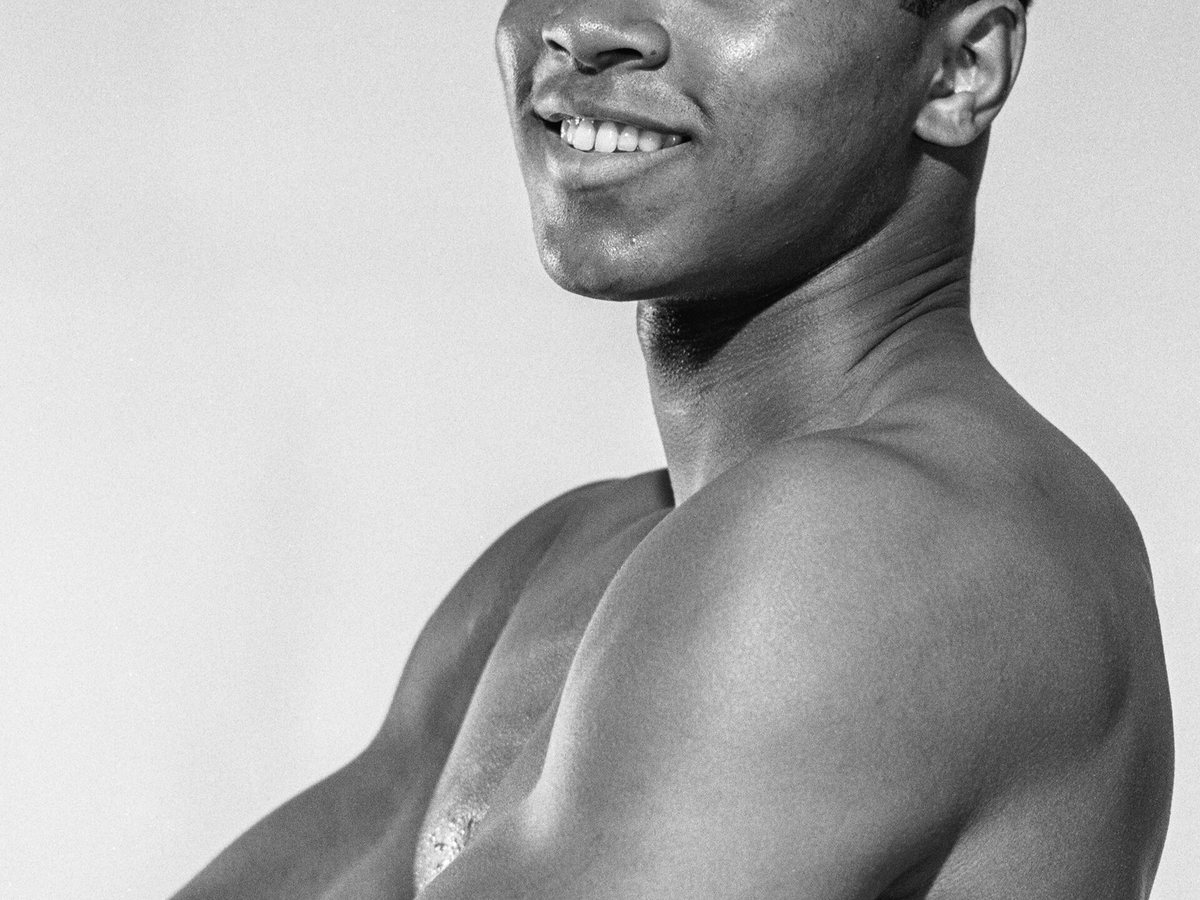
Heavyweight Legends
Q: Who became the first Black world heavyweight champion in 1908?
A: Jack Johnson.
Q: Which heavyweight champion was nicknamed the Brown Bomber?
A: Joe Louis.
Q: What made Joe Louis’s heavyweight reign historically remarkable?
A: He held the world heavyweight title for nearly 12 years and made 25 successful defenses.
Q: Which boxer was born Cassius Clay?
A: Muhammad Ali.
Q: What Olympic medal did the young Cassius Clay win in 1960?
A: Light heavyweight gold.
Q: Who did Muhammad Ali defeat in 1964 to win his first heavyweight championship?
A: Sonny Liston.
Q: What phrase describes Ali’s famous movement and punching philosophy?
A: “Float like a butterfly, sting like a bee.”
Q: Who defeated Ali in the 1971 Fight of the Century?
A: Joe Frazier.
Q: What 1974 fight saw Ali regain the heavyweight title from George Foreman?
A: The Rumble in the Jungle.
Q: In what country was the Rumble in the Jungle held?
A: Zaire, now the Democratic Republic of the Congo.
Q: What strategy is famously associated with Ali against Foreman?
A: The rope-a-dope.
Q: What was the famous 1975 third fight between Ali and Frazier called?
A: The Thrilla in Manila.
Q: Which heavyweight became the youngest boxer to win a major heavyweight world title at age 20?
A: Mike Tyson.
Q: What nickname was Mike Tyson widely known by early in his career?
A: “Iron Mike.”
Q: Which heavyweight champion was famous for a devastating left hook and later became an Olympic gold medalist and ordained minister?
A: George Foreman.
Pound-for-Pound Greats & Famous Champions
Q: Which boxer is frequently cited among the greatest pound-for-pound fighters ever and was nicknamed Sugar?
A: Sugar Ray Robinson.
Q: What does pound-for-pound mean in boxing discussion?
A: Comparing fighters’ skill and greatness across different weight classes as if size differences were removed.
Q: Which boxer was nicknamed the Hands of Stone?
A: Roberto Durán.
Q: Which American star won Olympic gold in 1976 and became a major welterweight champion?
A: Sugar Ray Leonard.
Q: Which four fighters are commonly grouped as the Four Kings of the 1980s?
A: Sugar Ray Leonard, Roberto Durán, Thomas Hearns, and Marvin Hagler.
Q: Who was nicknamed Marvelous Marvin Hagler?
A: Marvin Hagler.
Q: Which boxer was nicknamed the Hitman and famous for extraordinary height and reach at welterweight?
A: Thomas Hearns.
Q: Which Mexican-American fighter became famous for relentless pressure and a trilogy with Arturo Gatti?
A: Micky Ward.
Q: Which Mexican legend won world titles in multiple divisions and fought Meldrick Taylor in a famous 1990 bout?
A: Julio César Chávez.
Q: Which Filipino star won major world championships across an extraordinary number of weight divisions?
A: Manny Pacquiao.
Q: What nickname is associated with Manny Pacquiao?
A: PacMan.
Q: Which undefeated American star was nicknamed Money and Pretty Boy at different points?
A: Floyd Mayweather Jr.
Q: What was Floyd Mayweather Jr.’s final official professional record after defeating Conor McGregor in 2017?
A: 50 wins and 0 losses.
Q: Which Ukrainian brothers both became heavyweight champions in the 2000s and 2010s?
A: Vitali and Wladimir Klitschko.
Q: Why do all-time boxing debates vary so widely?
A: Fighters competed under different eras, divisions, round lengths, schedules, opponents, equipment, and championship systems.
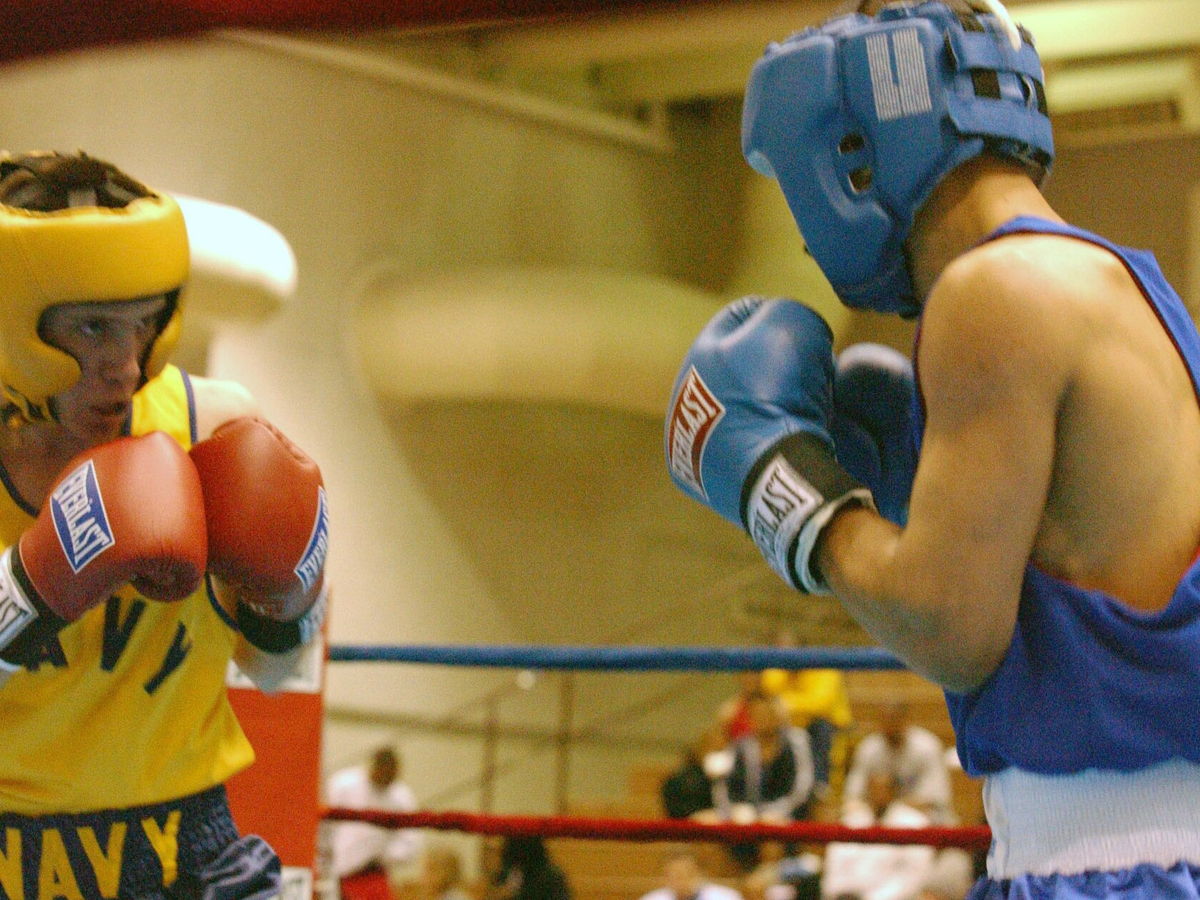
Olympic Boxing & Amateur Traditions
Q: In what year did boxing first appear on the modern Olympic program?
A: 1904.
Q: Why was boxing absent from the 1912 Olympics in Stockholm?
A: Swedish law prohibited the sport at the time.
Q: When did women’s boxing first appear at the Olympic Games?
A: 2012 in London.
Q: Who became the first American woman to win Olympic boxing gold?
A: Claressa Shields.
Q: How many Olympic gold medals did Claressa Shields win?
A: Two, in 2012 and 2016.
Q: Which future heavyweight legend won Olympic gold in 1968 for the United States?
A: George Foreman.
Q: Which future heavyweight champion won Olympic gold in 1988 for Canada?
A: Lennox Lewis.
Q: Which future champion won a 1976 Olympic gold medal for the United States?
A: Sugar Ray Leonard.
Q: Which future champion won a 1992 Olympic gold medal for the United States?
A: Oscar De La Hoya.
Q: What nickname did Oscar De La Hoya gain after the Olympics and early professional career?
A: The Golden Boy.
Q: Is Olympic boxing scored exactly like professional boxing?
A: No. Both use judges, but bout length, equipment, tournament structure, and detailed scoring rules differ.
Q: What makes Olympic boxing a tournament rather than a one-off championship bout?
A: Fighters advance through multiple rounds of competition toward a medal.
Q: What medal does a boxer receive after losing an Olympic semifinal under the traditional format?
A: Bronze, because boxing historically awards two bronze medals rather than holding a bronze-medal bout.
Q: Why have Olympic boxing rules changed repeatedly?
A: Scoring, safety equipment, governance, weight classes, eligibility, and judging systems have evolved over time.
Q: What makes amateur and Olympic success useful but not predictive of professional greatness?
A: The formats reward overlapping but not identical skills, and professional careers require adaptation to longer fights, different pacing, promotion, and matchmaking.
Women’s Boxing, Milestones & Famous Bouts
Q: Who became the first woman inducted into the International Boxing Hall of Fame in the modern women’s category era?
A: Christy Martin was among the first women elected when the Hall began inducting female boxers in 2020.
Q: What boxer was nicknamed the Coal Miner’s Daughter and became a major star in women’s boxing?
A: Christy Martin.
Q: Which daughter of Muhammad Ali became a successful undefeated professional champion?
A: Laila Ali.
Q: Which Irish boxer won Olympic gold in 2012 and later became an undisputed professional champion?
A: Katie Taylor.
Q: Which Puerto Rican star became a multiple-division champion and major rival of Katie Taylor?
A: Amanda Serrano.
Q: What historic venue hosted the 2022 Katie Taylor versus Amanda Serrano fight?
A: Madison Square Garden.
Q: Why was Taylor versus Serrano in 2022 historically notable?
A: It was the first women’s boxing match to headline Madison Square Garden.
Q: Which American boxer won back-to-back Olympic gold medals before becoming undisputed champion in multiple professional divisions?
A: Claressa Shields.
Q: What nickname does Claressa Shields use?
A: GWOAT, short for Greatest Woman of All Time.
Q: What barrier did women’s boxing face for much of modern sports history?
A: Limited licensing, promotion, media coverage, purses, championship opportunities, and Olympic access.
Q: What did the 2012 Olympics change symbolically for women’s boxing?
A: Women finally competed in Olympic boxing on the official program.
Q: Are women’s professional championship bouts universally scheduled for the same round length as men’s?
A: No. Many women’s title fights have traditionally used shorter rounds, though formats and campaigns for change vary by jurisdiction and organization.
Q: Why are women’s boxing records changing quickly?
A: The professional sport has expanded rapidly in visibility, divisions, undisputed championships, major-event headliners, and international depth.
Q: What does undisputed mean in women’s boxing just as in men’s boxing?
A: Holding all major recognized world titles in a division under the accepted sanctioning structure.
Q: What makes women’s boxing essential to a modern boxing quiz?
A: Olympic inclusion, major arena headliners, multi-division champions, undisputed title fights, and rapidly expanding global participation are now central parts of the sport’s history.
Hard Boxing Challenge: Famous Fights, Records & Myths
Q: What 1971 bout between Muhammad Ali and Joe Frazier was promoted as the Fight of the Century?
A: Their first fight at Madison Square Garden.
Q: Who won the Fight of the Century?
A: Joe Frazier.
Q: What 1974 fight between Ali and Foreman was called the Rumble in the Jungle?
A: Their heavyweight championship fight in Kinshasa, Zaire.
Q: Who won the Rumble in the Jungle?
A: Muhammad Ali.
Q: What 1975 fight ended the Ali-Frazier trilogy?
A: The Thrilla in Manila.
Q: Who won the Thrilla in Manila?
A: Muhammad Ali after Frazier’s corner stopped the fight before the 15th round.
Q: What boxer became the first Black heavyweight champion?
A: Jack Johnson.
Q: What boxer made 25 successful heavyweight title defenses during a nearly 12-year reign?
A: Joe Louis.
Q: Which fighter was the youngest heavyweight titleholder at age 20?
A: Mike Tyson.
Q: Which fighter finished his official professional career 50-0?
A: Floyd Mayweather Jr.
Q: What does “saved by the bell” mean in boxing history?
A: A round ends before a hurt or knocked-down boxer is counted out, depending on the rules of that jurisdiction and era.
Q: Does a “glass jaw” literally refer to bone structure made of glass?
A: No. It is slang for a boxer thought to be unusually vulnerable to being stunned or knocked out.
Q: Is punching below the belt legal?
A: No. Low blows are fouls.
Q: Is hitting the back of an opponent’s head legal?
A: No. Rabbit punches to the back of the head or neck are fouls.
Q: Why is boxing especially deep trivia material?
A: Ancient roots, Olympic tournaments, professional title lineages, dozens of weight classes, legendary rivalries, distinctive scoring, famous venues, changing safety standards, and generations of global champions make the sport much richer than a simple knockout count.
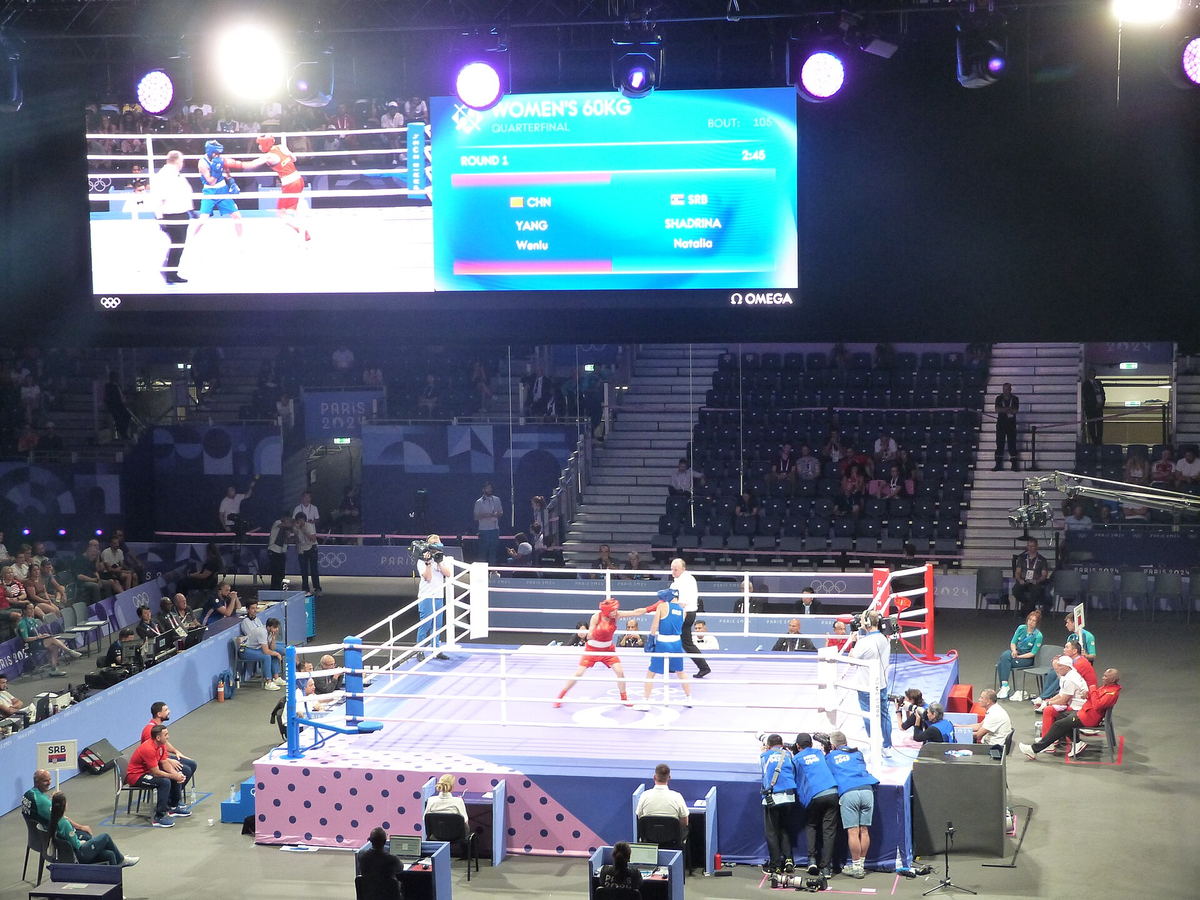
How Did You Score?
If the Four Kings, 10-point must system, Joe Louis’s 25 defenses, the difference between KO and TKO, the first Black heavyweight champion, Olympic bronze rules, and the Thrilla in Manila all came easily, your boxing trivia went the distance.
Keep competing with our sports trivia, Olympics trivia, and pop culture trivia.

Ellie Simons creates and edits Random Trivia. She researches trivia using primary and authoritative sources whenever possible and is currently reviewing the site's older trivia library for accuracy, clarity, and playability. Read more on the About page.
About this quiz
Site editor: Ellie Simons. Read our Trivia Methodology to learn how questions are researched and updated. Page last updated: . Report an error.