
From sizzling skewers to slurpy noodles, street food is the world’s tastiest passport.
This mega-set blends easy classics with deeper culinary tidbits so you can quiz friends, plan your next market crawl, or just feast with your brain.
Grab a napkin, things might get saucy.
Why Street Food Makes Great Trivia
Street food sits where culture, history, migration, and pure flavor intersect.
A single skewer or sandwich can carry centuries of spice routes, colonial legacies, and diaspora mash-ups, think shawarma spinning into tacos al pastor, or baguettes turning Vietnamese in bánh mì.
It also evolves fast.
Vendors tweak recipes to local tastes, invent shorthand names, and perfect efficient techniques on griddles, woks, comales, and tawas.
That mix of heritage and hustle makes street food an endlessly quiz-worthy topic.
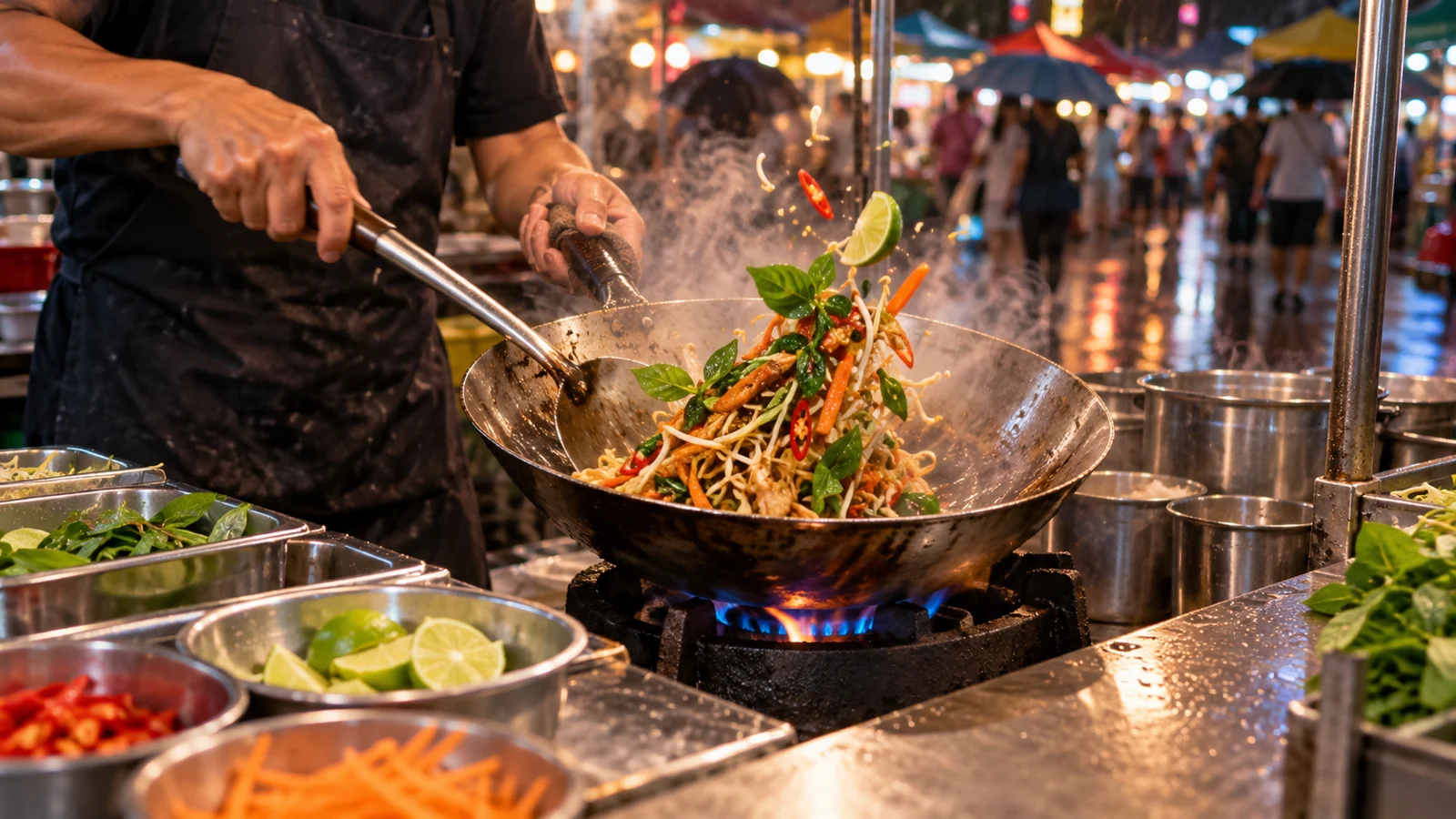
Asian Street Food Icons (East & Southeast Asia)
Q: What Japanese street snack features golf-ball-sized batter spheres filled with diced octopus?
A: Takoyaki.
Q: Which Vietnamese noodle soup—often slurped at curbside shops—pairs rice noodles with fragrant broth and herbs?
A: Phở.
Q: Skewers dipped in peanut sauce are a hallmark of Indonesian and Malaysian night markets. What are they called?
A: Satay.
Q: What Thai stir-fried noodle dish balances tamarind, fish sauce, and palm sugar with crunchy peanuts?
A: Pad Thai.
Q: In Malaysia and Singapore, which spicy coconut-or-tamarind noodle soup comes in varieties like curry and asam?
A: Laksa.
Q: Which Japanese savory pancake is topped with sauces, mayo, and bonito flakes that “dance” in the steam?
A: Okonomiyaki.
Q: Charcoal-kissed chicken skewers sold in yatai stalls are known as what in Japan?
A: Yakitori.
Q: What Filipino layered dessert—often a street favorite—combines shaved ice, milk, jellies, and fruits?
A: Halo-halo.
Q: In Singapore hawker centers, what poached-then-chilled poultry over aromatic rice is a national staple?
A: Hainanese chicken rice.
Q: Crispy Vietnamese turmeric-tinged crêpes folded with pork, shrimp, and herbs are called what?
A: Bánh xèo.
Q: Which Hong Kong street snack is a bubbly, honeycomb-shaped waffle?
A: Egg waffle (gai daan jai).
Q: What grilled Japanese fish-shaped cake—often filled with sweet bean paste—shows up at festivals?
A: Taiyaki.
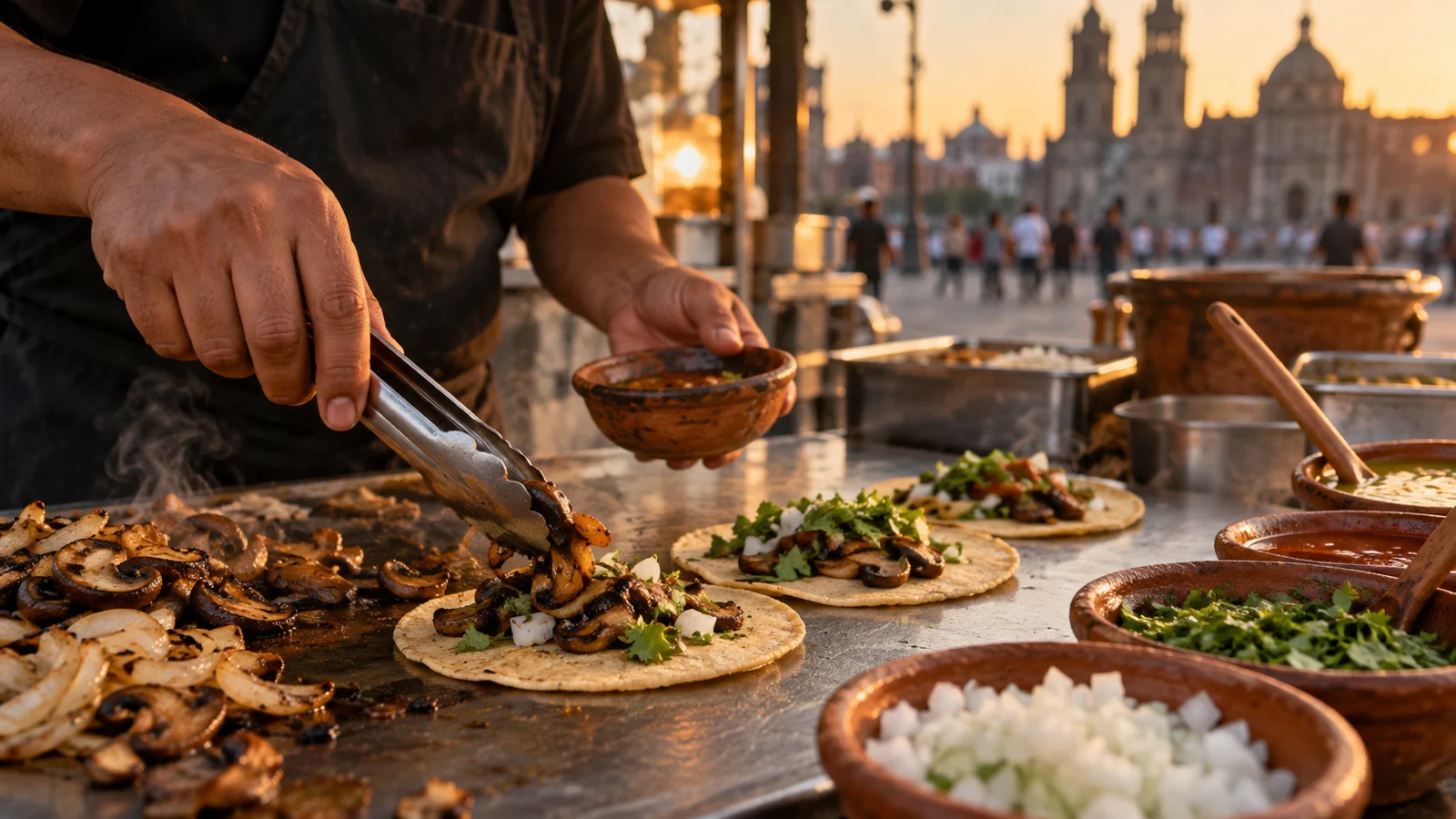
South Asian Street Eats (India, Pakistan, Bangladesh, Sri Lanka, Nepal)
Q: What crispy, hollow puris filled with spiced water go by pani puri, golgappa, or puchka depending on region?
A: Pani puri (aka golgappa/puchka).
Q: Mumbai’s beloved spiced potato patty in a bun with chutneys is called what?
A: Vada pav.
Q: Which buttery street classic pairs a soft roll with a spiced, mashed vegetable gravy?
A: Pav bhaji.
Q: Kolkata’s famous roll that wraps kebab or egg in a flaky paratha is known as what?
A: Kathi roll.
Q: Name the South Indian fermented rice-and-lentil crêpe often served with sambar and chutney.
A: Dosa.
Q: What yogurt-based drink can be sweet with cardamom or salty with cumin in North India and Pakistan?
A: Lassi.
Q: Sri Lanka’s clattering street specialty that chops flatbread with eggs, veg, and curry on a hot plate is what?
A: Kottu roti.
Q: Karachi’s spiced patty burger with chutneys—often street-griddled—goes by what name?
A: Bun kebab.
Q: In Bangladesh, a beloved puffed-rice mix with mustard oil and chilies is called what?
A: Jhal muri.
Q: Which pleated dumplings, popular across Nepal and North India, are usually steamed or fried and served with achar?
A: Momo.
Q: In chaat, what are the crunchy, thin chickpea-flour noodles sprinkled on top?
A: Sev.
Q: What bright orange, syrup-soaked coils are a classic South Asian street sweet?
A: Jalebi.
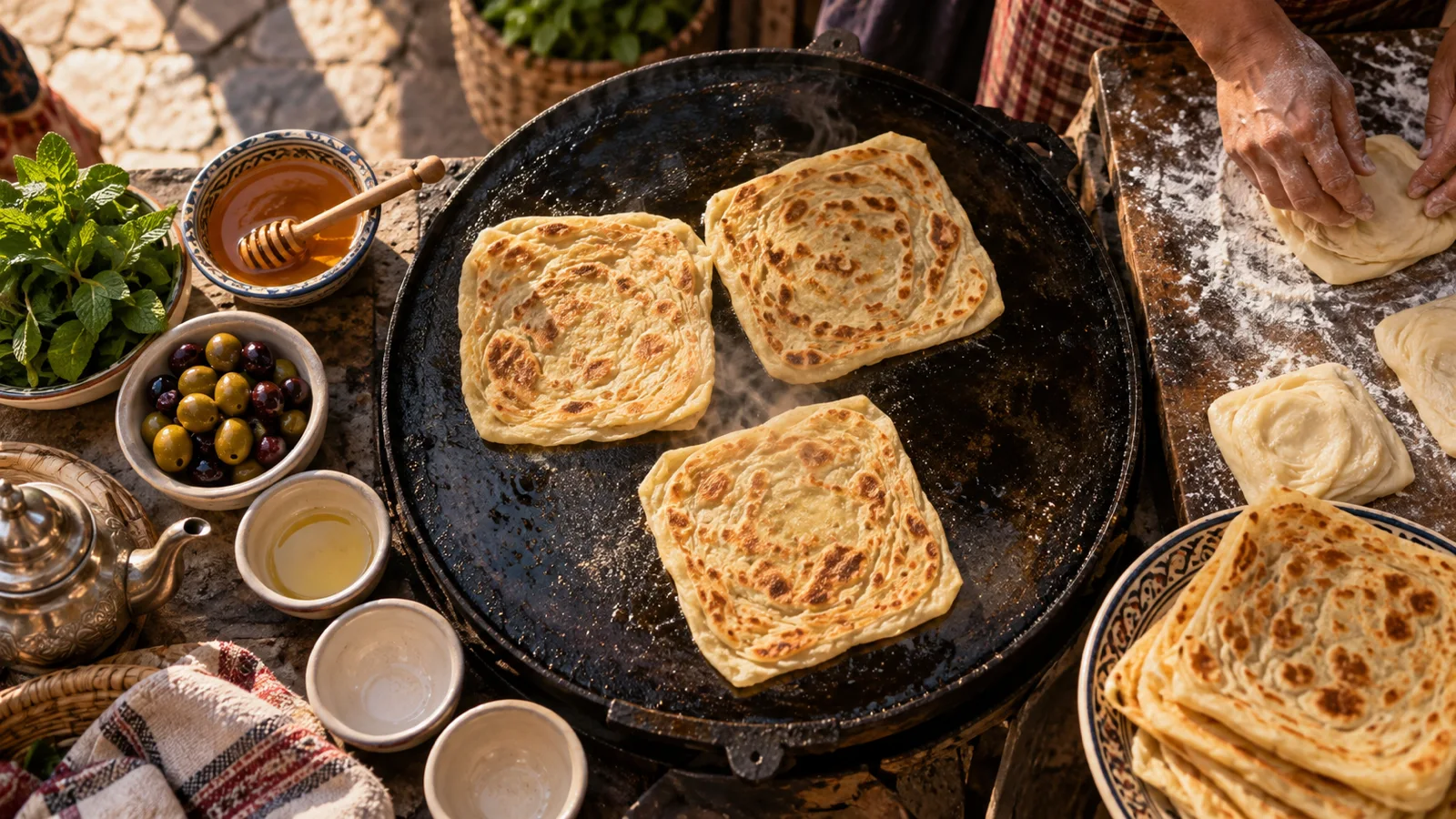
Middle East & North Africa Favorites
Q: What deep-fried chickpea (or fava) patties stuffed into pita with salads and tahini are a street staple?
A: Falafel.
Q: Spit-roasted meat shaved into wraps with pickles and garlic sauce is called what?
A: Shawarma.
Q: The sesame-crusted bread ring sold by Turkish street vendors is called what?
A: Simit.
Q: Which Israeli-Iraqi sandwich layers fried eggplant, hard-boiled egg, salads, and amba in pita?
A: Sabich.
Q: Egypt’s hearty street bowl of rice, pasta, lentils, and tomato sauce is known as what?
A: Koshari.
Q: A Levantine flatbread topped with thyme, sesame, and sumac—often breakfast on the go—is called what?
A: Manakish (man’oushe).
Q: Which Tunisian turnover—stuffed with egg and tuna and fried until blistered—is a market favorite?
A: Brik.
Q: Morocco’s simple, chewy doughnuts dusted with sugar are called what?
A: Sfenj.
Q: What bulgur-and-meat croquette—raw or fried depending on style—is popular in Syrian and Lebanese stalls?
A: Kibbeh.
Q: The famously stretchy Turkish ice cream often served with vendor tricks is called what?
A: Dondurma.
Q: What zesty herb blend (wild thyme), sesame, and sumac is a street-side topping and table staple across the Levant?
A: Za’atar.
Q: What late-night Turkish street sandwich uses spiced, grilled offal on bread, not for the faint of heart?
A: Kokoreç.
Latin America & Caribbean Street Food
Q: What Mexican street corn is slathered with mayo, cheese, chili, and lime?
A: Elote.
Q: In Venezuela and Colombia, what griddled corn cake is split and stuffed with fillings?
A: Arepa.
Q: El Salvador’s national street snack—thick, stuffed corn cakes griddled until toasty—are called what?
A: Pupusas.
Q: Which Brazilian teardrop croquette hides creamy chicken inside a crisp shell?
A: Coxinha.
Q: Argentina’s classic grilled sausage on crusty bread with chimichurri is called what?
A: Choripán.
Q: Peru’s citrus-marinated seafood served street-style in cups is what dish?
A: Ceviche.
Q: What Peruvian (and Chilean) skewer—often beef heart—grills over coals at night markets?
A: Anticuchos.
Q: Puerto Rico’s cone-shaped shaved ice drenched in syrup is called what?
A: Piragua.
Q: Oaxaca’s giant, crackly tortilla topped like a pizza and folded to go is known as what?
A: Tlayuda.
Q: Trinidad & Tobago’s curry-chickpea sandwich on two pieces of bara is famously called what?
A: Doubles.
Q: In Bahia, Brazil, baianas sell what Afro-Brazilian fritter made from black-eyed peas and dendê oil?
A: Acarajé.
Q: What Mexican taco style, inspired by Lebanese migrants and roasted on a vertical spit, stars marinated pork?
A: Tacos al pastor.
Europe on the Go
Q: Germany’s sliced sausage smothered in curried ketchup and served with fries is what?
A: Currywurst.
Q: The flatbread-packed Berlin street icon made with shaved meat, salads, and sauces is called what?
A: Döner kebab.
Q: Hungary’s deep-fried bread slathered with sour cream, garlic, and cheese is known as what?
A: Lángos.
Q: Poland’s open-faced baguette topped with mushrooms and cheese—born in the People’s Republic era—is what?
A: Zapiekanka.
Q: Britain’s takeaway classic of battered fish with thick-cut chips is called what?
A: Fish and chips.
Q: Madrid’s sandwich piled with freshly fried squid rings goes by what name?
A: Bocadillo de calamares.
Q: Sicily’s stuffed rice balls, often ragù-filled and breadcrumbed, are called what?
A: Arancini.
Q: The Georgian cheese boat finished with a runny egg and butter is which variety of khachapuri?
A: Adjaruli khachapuri.
Q: The Netherlands’ caramel-filled thin waffles pressed over coffee cups are what?
A: Stroopwafels.
Q: Belgium’s twice-fried potatoes served in paper cones with mayo are called what?
A: Frites.
Q: What Hungarian “chimney cake,” coiled and baked on a spit, is dusted with cinnamon or nuts?
A: Kürtőskalács (chimney cake).
Q: Who is often credited (though debated) with popularizing the Berlin döner kebab in the 1970s?
A: Kadir Nurman (often credited).
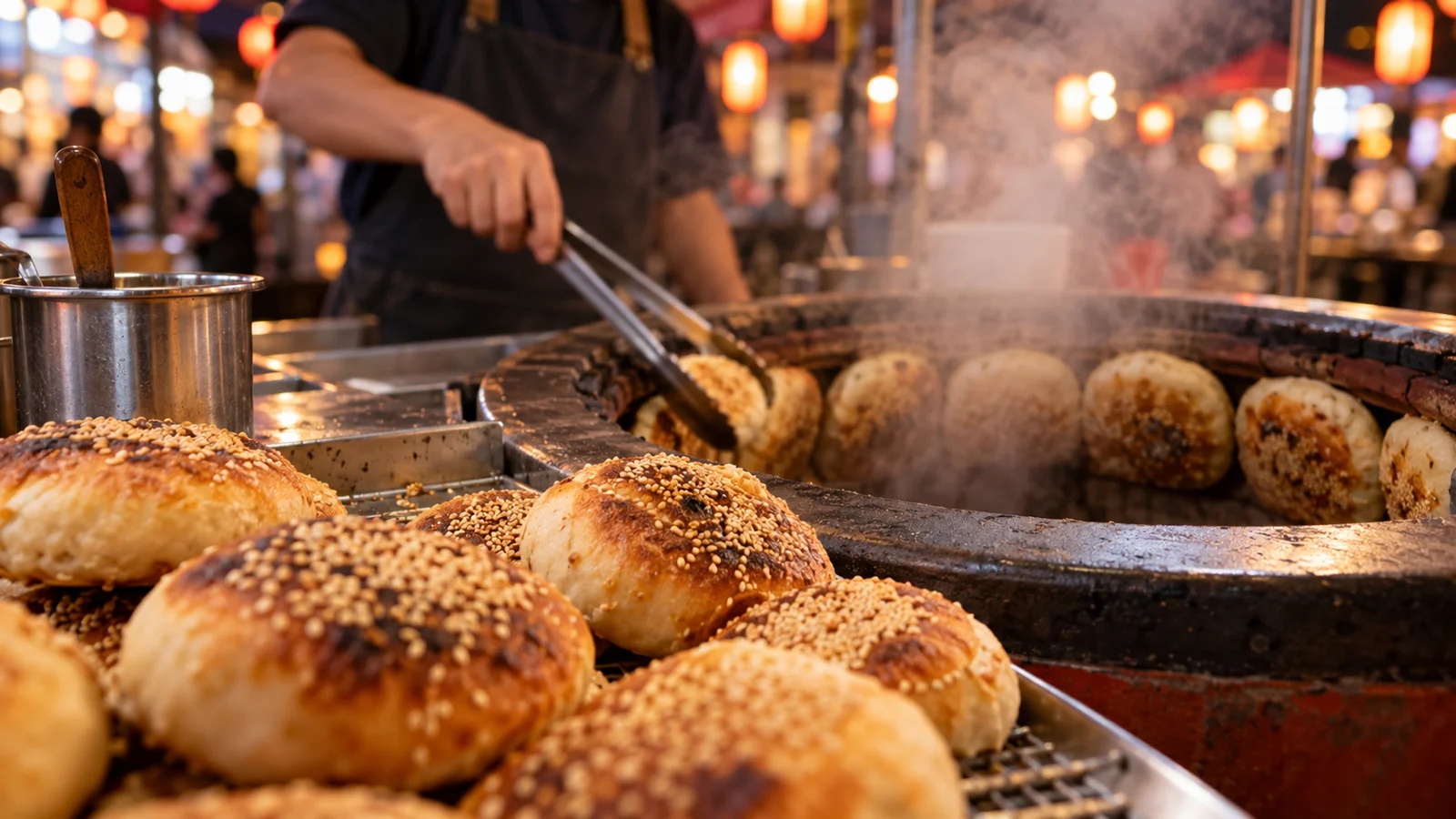
Africa’s Street Bites (Sub-Saharan)
Q: Nigeria’s spicy skewers dusted with a peanut-chili rub are what?
A: Suya.
Q: Ghana’s street-fried plantains seasoned with ginger and chili are called what?
A: Kelewele.
Q: Uganda’s rolled egg omelet tucked into chapati—breakfast on the move—is called what?
A: Rolex.
Q: A South African classic: a hollowed loaf loaded with curry. Name it.
A: Bunny chow.
Q: In Kenya, what’s the simple name for roasted corn sold roadside, often with chili and lime?
A: Mahindi choma (roasted maize).
Q: Tanzania and Zanzibar’s beef skewers grilled over coals are known as what?
A: Mishkaki.
Q: Across the Horn of Africa, the triangular fried pastry stuffed with meat or lentils is called what?
A: Sambusa (akin to samosa).
Q: South Africa’s deep-fried dough bread, sometimes split and filled, is called what?
A: Vetkoek.
Q: West Africa’s black-eyed pea fritters—breakfast or street snack—go by what names?
A: Akara (Nigeria) / koose (Ghana).
Q: Senegal’s grilled lamb chop and meat stands—a night-market staple—are called what?
A: Dibi.
Q: In Namibia, what’s the name for street-grilled beef strips sold with chili and salsa?
A: Kapana.
Q: Madagascar’s sweet rice cakes griddled on street corners are known as what?
A: Mofo gasy.
North America Street Food & Food Truck Culture
Q: The quintessential New York street bite—sausage in a bun with mustard and onions—is what?
A: The hot dog.
Q: In Chicago hot-dog etiquette, which condiment is considered a no-go?
A: Ketchup.
Q: Quebec’s fries, cheese curds, and gravy create which Canadian street staple?
A: Poutine.
Q: New Orleans’ powdered-sugar-dusted squares of fried dough are called what?
A: Beignets.
Q: Maine’s iconic sandwich of chilled or warm seafood with butter or mayo is what?
A: Lobster roll.
Q: Arizona’s bacon-wrapped hot dog loaded with beans, salsa, and more is called what?
A: Sonoran hot dog.
Q: Which chef is often credited with igniting L.A.’s food-truck wave via Korean BBQ tacos?
A: Roy Choi (Kogi BBQ).
Q: Nashville’s fiery fried chicken—often served as a sandwich—goes by what name?
A: Nashville hot chicken.
Q: Corn chips slathered with chili and cheese, sometimes served right in the bag, are known as what?
A: Frito pie (aka walking taco in some regions).
Q: The signature platter from NYC halal carts—grilled poultry over turmeric rice with white sauce—is commonly called what?
A: Chicken over rice.
Q: The trendy, cheese-coated (and sometimes sugar-dusted) skewered dogs popularized by Korean-American vendors are what?
A: Korean corn dogs.
Q: Seattle’s late-night specialty hot dog spread with a tangy dairy topping is called what?
A: Seattle dog (with cream cheese).
Breads, Wraps & Noodles of the Street
Q: What corn-based flatbread is the foundation of most Mexican tacos?
A: The tortilla (masa-based).
Q: Northern Chinese street crêpes folded with egg, herbs, and hoisin-chili sauces are called what?
A: Jianbing.
Q: Fluffy steamed buns with savory or sweet fillings across China are known as what?
A: Baozi.
Q: Which stir-fried noodle dish—tossed on a festival teppan—translates to “fried noodles” in Japanese?
A: Yakisoba.
Q: The ultra-wide, hand-pulled noodles from China’s northwest—famed for their chewy heft—are called what?
A: Biangbiang noodles.
Q: Which laminated Indian flatbread, crackly from ghee and griddle, anchors many street rolls?
A: Paratha (including Malabar parotta).
Q: What spongy, sour, teff-based flatbread doubles as plate and utensil across Ethiopia and Eritrea?
A: Injera.
Q: In Turkey, what’s the word for a wrap rolled in thin flatbread—often lavash—packed with kebab fillings?
A: Dürüm.
Q: The crispy Vietnamese baguette that cradles pork, pâté, and pickles is called what?
A: Bánh mì.
Q: Mexico’s pressed, griddled sandwich on telera or bolillo is known as what?
A: Torta.
Q: Sri Lanka’s bowl-shaped fermented crêpes—sweet or savory, sometimes with an egg—are called what?
A: Hoppers (appam).
Q: What translucent Korean glass noodles—made from sweet-potato starch—star in street-style japchae?
A: Dangmyeon.
Street Drinks & Sweet Treats
Q: The Taiwanese tea with chewy tapioca pearls, served cold or hot, is popularly known as what?
A: Bubble tea (boba).
Q: In Mexico, what do you call refreshing fruit-and-water drinks like horchata and jamaica?
A: Aguas frescas.
Q: India’s dense, slow-frozen dessert sometimes molded on sticks is what?
A: Kulfi.
Q: Korea’s mountain of milk-snow topped with fruit, sauces, or beans is which dessert?
A: Bingsu.
Q: Thailand’s bright orange brew sweetened with condensed milk and poured over ice is called what?
A: Thai iced tea.
Q: Vietnam’s potent drip coffee mellowed with sweetened condensed milk over ice is called what?
A: Cà phê sữa đá (Vietnamese iced coffee).
Q: Brazil’s fresh-pressed sugarcane juice—sold from whirring street machines—goes by what names?
A: Caldo de cana (also garapa).
Q: The fish-shaped Japanese cake filled with custard or anko is called what?
A: Taiyaki.
Q: Portugal’s flaky custard tarts, dusted with cinnamon, are known as what?
A: Pastéis de nata.
Q: Spain’s crisp dough sticks, ideal for dipping in thick chocolate, are called what?
A: Churros.
Q: In the Philippines, what’s the nickname for street-sold ice cream, often tucked into a bun or wafer?
A: Sorbetes (“dirty ice cream”).
Q: Indonesia’s colorful shaved-ice dessert with fruit, jelly, and condensed milk is called what?
A: Es campur.
Origins, Etiquette & Fun Facts
Q: Singapore’s open-air food courts that cluster many stalls under one roof are called what?
A: Hawker centres/centers.
Q: In what year was Singapore’s hawker culture inscribed on UNESCO’s Intangible Cultural Heritage list?
A: 2020.
Q: Tacos al pastor in Mexico were inspired by immigrants making which Middle Eastern spit-roasted dish?
A: Shawarma.
Q: In Mexico, what’s the name of the vertical rotisserie cone used for al pastor?
A: Trompo.
Q: In many South Asian and Middle Eastern settings, which hand is traditionally used for eating?
A: The right hand.
Q: What Japanese word describes temporary street stalls, especially at festivals?
A: Yatai.
Q: Across Latin America, what flat, round griddle is used to toast tortillas and sear sopes?
A: Comal.
Q: On Indian subcontinental carts, what heavy, slightly convex griddle cooks chaats and rolls?
A: Tawa.
Q: In Bahia, Brazil, the iconic women selling acarajé in traditional dress are known collectively as what?
A: Baianas.
Q: The Cantonese phrase for the prized smoky sear from high-heat wok cooking—coveted at street fry-stalls—is what?
A: Wok hei (“breath of the wok”).
Q: A handful of Singapore hawker stalls have achieved what fine-dining accolade, surprising many?
A: A Michelin star.
Q: A practical tip for travelers: picking stalls with high customer traffic helps maximize what?
A: Turnover/freshness (and often safety).

Ellie Simons creates and edits Random Trivia. She researches trivia using primary and authoritative sources whenever possible and is currently reviewing the site's older trivia library for accuracy, clarity, and playability. Read more on the About page.
About this quiz
Site editor: Ellie Simons. Read our Trivia Methodology to learn how questions are researched and updated. Page last updated: . Report an error.