
Journey from Stratford’s dusty lanes to the Globe’s spotlight with this definitive Shakespeare trivia compendium.
Packed with 225 questions and answers spanning biography, plays, iconic lines, and worldwide influence, it’s perfect for classrooms, pub quizzes, or any fan ready to test their knowledge of England’s immortal Bard.
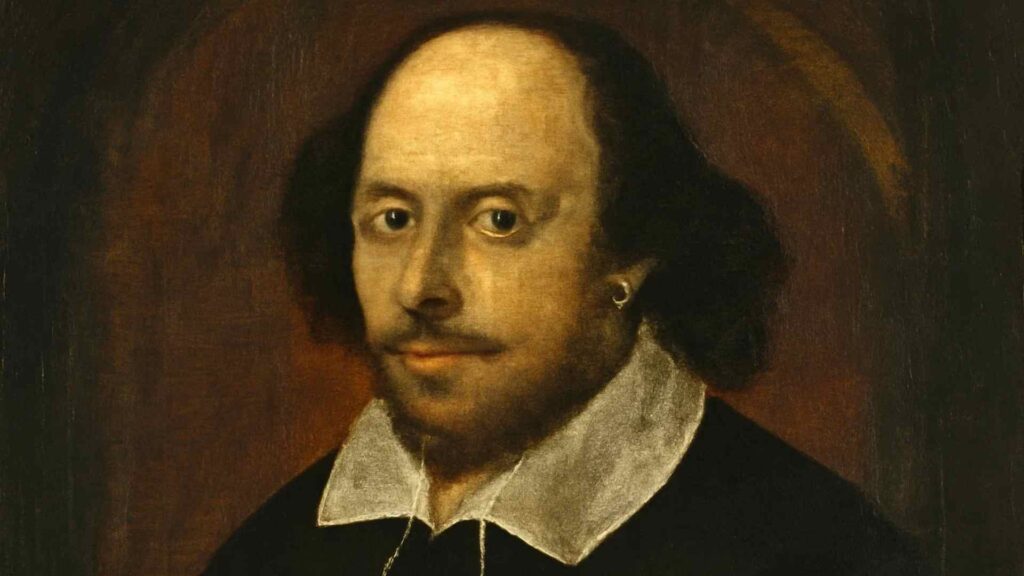
Biography & Early Life
- Q: On what date and in which town was Shakespeare born?
A: 23 April 1564, Stratford‑upon‑Avon. - Q: What are the names of Shakespeare’s parents?
A: John Shakespeare and Mary Arden. - Q: When was Shakespeare baptised, according to parish records?
A: 26 April 1564. - Q: Whom did Shakespeare marry in 1582?
A: Anne Hathaway. - Q: How many years older was Anne Hathaway than Shakespeare?
A: About eight years. - Q: Name Shakespeare’s three children.
A: Susanna, and twins Hamnet and Judith. - Q: Which of Shakespeare’s children died at age 11?
A: Hamnet, in 1596. - Q: The undocumented span between 1585–1592 in Shakespeare’s life is nick‑named what?
A: “The Lost Years.” - Q: Shakespeare’s father held what municipal office in Stratford?
A: Bailiff (mayor) and alderman. - Q: What Latin grammar school is Shakespeare believed to have attended?
A: The King’s New School, Stratford. - Q: Shakespeare’s coat‑of‑arms motto reads _______.
A: “Non sanz droict” (“Not without right”). - Q: Approximately when did Shakespeare retire permanently to Stratford?
A: Around 1613–1614. - Q: On what date did Shakespeare die?
A: 23 April 1616. - Q: Shakespeare was buried inside which Stratford church?
A: Holy Trinity Church. - Q: Tradition claims Shakespeare was born and died on the same date—true or false?
A: True (23 April, though the birth date is inferred).
London Stage & Companies
- Q: Shakespeare wrote for which playing company before 1603?
A: The Lord Chamberlain’s Men. - Q: What new royal title did the company receive under James I?
A: The King’s Men (1603). - Q: Name the company’s indoor winter playhouse.
A: The Blackfriars Theatre. - Q: Which open‑air theatre did the company build on Bankside in 1599?
A: The Globe Theatre. - Q: In what year did the original Globe burn down?
A: 1613. - Q: Which play was being performed when the Globe caught fire?
A: Henry VIII (also titled All Is True). - Q: Star actor who originated Hamlet, Othello, and King Lear?
A: Richard Burbage. - Q: Which two fellow actors compiled the 1623 First Folio?
A: John Heminges and Henry Condell. - Q: Shakespeare’s primary royal patron for his narrative poems?
A: Henry Wriothesley, 3rd Earl of Southampton. - Q: What was the name of the theatres’ original 1576 precursor in Shoreditch?
A: The Theatre. - Q: Indoor candlelit performances began after the company acquired which venue in 1608?
A: Blackfriars Theatre. - Q: Roughly how many shares did Shakespeare hold in the Globe?
A: One of ten shares. - Q: Year London theatres closed for plague that delayed King Lear’s debut?
A: 1606 (plague outbreak of 1606). - Q: Which monarch awarded the Globe’s players the title “Grooms of the Chamber”?
A: James I. - Q: What London river did many playgoers cross to reach Bankside theatres?
A: The Thames.
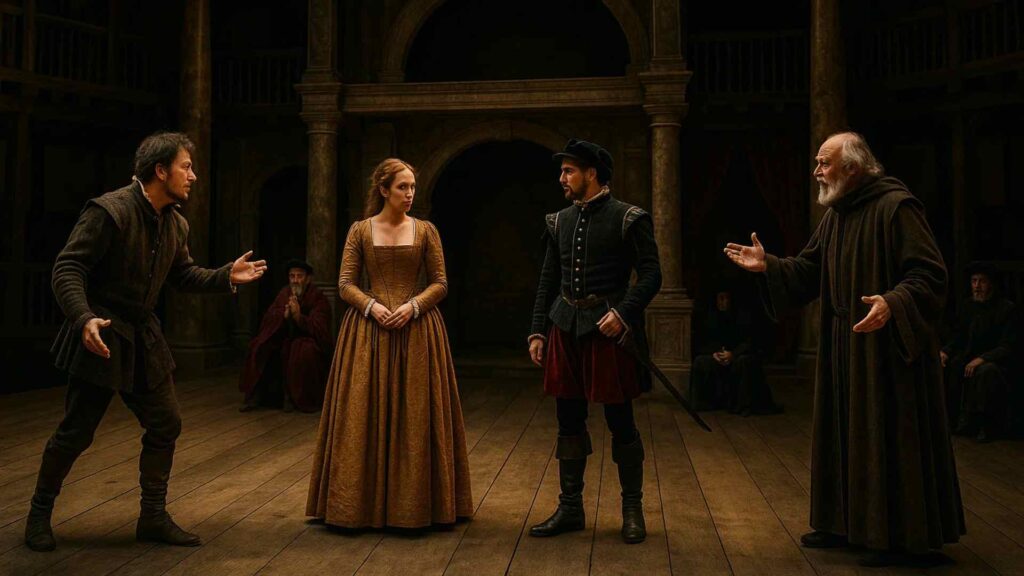
Comedies
- Q: Which comedy features twins Viola and Sebastian?
A: Twelfth Night. - Q: Rosalind and Orlando meet in which forest‑set play?
A: As You Like It (Forest of Arden). - Q: Puck is the mischievous sprite in which comedy?
A: A Midsummer Night’s Dream. - Q: Katharina is “tamed” by Petruchio in what play?
A: The Taming of the Shrew. - Q: Shylock demands a pound of flesh in which Venice‑set comedy?
A: The Merchant of Venice. - Q: Name the bumbling constable in Much Ado About Nothing.
A: Dogberry. - Q: “All the world’s a stage” is spoken by which character?
A: Jaques, in As You Like It. - Q: Which early comedy revolves around two sets of identical twins?
A: The Comedy of Errors. - Q: Malvolio appears in yellow cross‑gartered stockings in which play?
A: Twelfth Night. - Q: Portia disguises herself as the lawyer Balthazar in which courtroom scene?
A: The Merchant of Venice. - Q: Lovers Benedick and Beatrice trade wits in which comedy?
A: Much Ado About Nothing. - Q: Helena cures the King of France in which “problem play”?
A: All’s Well That Ends Well. - Q: A schoolmaster named Holofernes appears in which word‑drunk comedy?
A: Love’s Labour’s Lost. - Q: Early play featuring Proteus and Valentine?
A: The Two Gentlemen of Verona. - Q: Which comedy ends with multiple weddings in Messina?
A: Much Ado About Nothing. - Q: Title of Shakespeare’s only play set partly in Greece and featuring the pedant “Ruffle”?
A: The Taming of the Shrew (Padua & Verona with a frame in Athens in old sources). - Q: Hero is wrongly accused at the altar in which comedy?
A: Much Ado About Nothing. - Q: A statue “comes to life” during the finale of which late, often comic romance?
A: The Winter’s Tale. - Q: The play subtitled What You Will is better known as?
A: Twelfth Night. - Q: “Merry war” of words describes which comedic couple?
A: Beatrice and Benedick. - Q: Falstaff plots to woo Mistresses Ford and Page in which comedy?
A: The Merry Wives of Windsor. - Q: Who forges a letter to trick Malvolio?
A: Maria (with Sir Toby and Fabian). - Q: Title that completes “Love’s Labour’s ___” (an unfinished sequel).
A: Won (lost play). - Q: Antonio saves Sebastian from shipwreck in which play?
A: Twelfth Night. - Q: The masque of the “Nine Worthies” is famously botched in which comedy?
A: Love’s Labour’s Lost.
Tragedies
- Q: Shakespeare’s longest play is _____.
A: Hamlet. - Q: Name the Moorish general of Venice whose ensign betrays him.
A: Othello. - Q: “Out, damned spot!” is cried by which guilt‑plagued queen?
A: Lady Macbeth. - Q: Which tragedy sees an ageing king divide his realm among three daughters?
A: King Lear. - Q: “Et tu, Brute?” is spoken in which Roman tragedy?
A: Julius Caesar. - Q: Verona’s doomed lovers are _____.
A: Romeo and Juliet. - Q: Cleopatra dies by what method in Antony and Cleopatra?
A: An asp (venomous snake) bite. - Q: Which character delivers the “To be, or not to be” soliloquy?
A: Hamlet. - Q: Tragic hero whose jealousy is inflamed by Iago?
A: Othello. - Q: Which play opens with three witches on a Scottish heath?
A: Macbeth. - Q: Prince of Denmark says “Alas, poor Yorick!” while holding what?
A: A skull (court jester Yorick’s). - Q: Ophelia’s brother who seeks revenge on Hamlet?
A: Laertes. - Q: Name the villainess who urges her sons to wreak havoc in Titus Andronicus.
A: Tamora, Queen of the Goths. - Q: Which tragedy features jealous brothers Edmund and Edgar?
A: King Lear. - Q: “Good night, sweet prince” refers to the death of which character?
A: Hamlet. - Q: Which Roman general’s mutilated daughter is Lavinia?
A: Titus Andronicus. - Q: “Unsex me here” is prayed by whom?
A: Lady Macbeth. - Q: A soothsayer warns Caesar to beware which date?
A: The Ides of March (15 March). - Q: Which tragedy includes the storm‑lashed heath scene?
A: King Lear. - Q: Othello smothers Desdemona with what?
A: A pillow. - Q: The ghost of Banquo appears at whose banquet?
A: Macbeth’s. - Q: Pair of Roman lovers described as “star‑cross’d” by Enobarbus?
A: Antony and Cleopatra. - Q: Triumphant yet tragic general Coriolanus is banished from which city?
A: Rome. - Q: Which tragedy is nick‑named “the Scottish play” by superstitious actors?
A: Macbeth. - Q: Romeo purchases poison from an apothecary in which city?
A: Mantua.
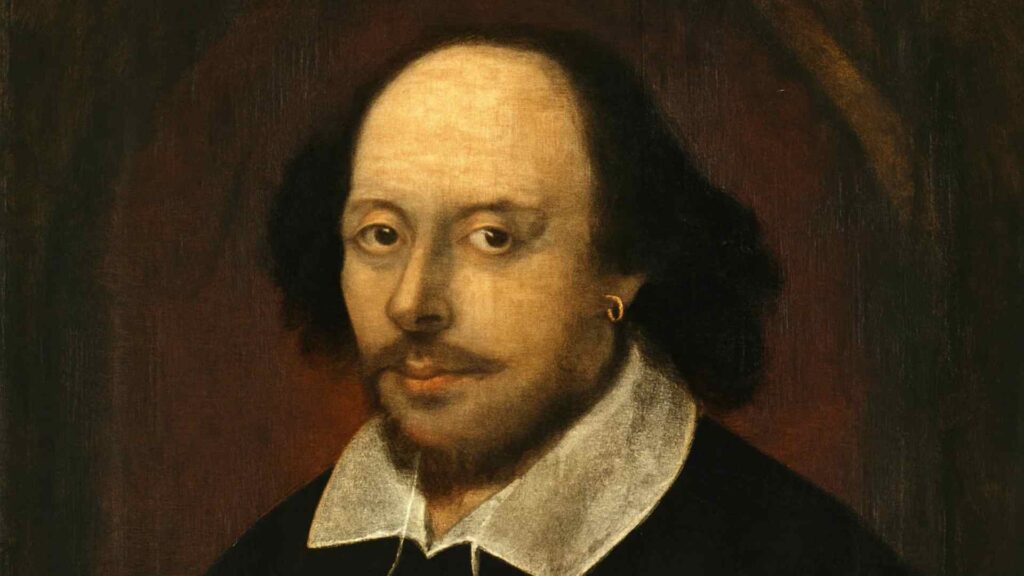
Histories
- Q: Which king asks, “Once more unto the breach, dear friends”?
A: King Henry V. - Q: Falstaff dies offstage in which history sequel?
A: Henry V. - Q: The Wars of the Roses underpin which tetralogy beginning with Henry VI Part 1?
A: The first (or minor) tetralogy. - Q: Who is the hunchback villain of Richard III?
A: Richard, Duke of Gloucester / King Richard III. - Q: “Now is the winter of our discontent” opens which play?
A: Richard III. - Q: Which king’s deposition appears in Richard II?
A: King Richard II. - Q: Battle of Agincourt is dramatized in which play?
A: Henry V. - Q: Name Prince Hal’s rowdy Eastcheap companion.
A: Sir John Falstaff. - Q: Which history portrays Joan of Arc (La Pucelle)?
A: Henry VI Part 1. - Q: Title king married Margaret of Anjou in which part of Henry VI?
A: Part 1 (and Part 2 events). - Q: Young Prince Edward is murdered in the Tower in which play?
A: Richard III. - Q: What Welsh rebel leads an uprising in Henry IV Part 1?
A: Owen Glendower. - Q: “Plume up my will” is spoken by which scheming duke in Richard II?
A: Duke of York’s son, Aumerle (or Exton line). - Q: Which English king appears in both the Henriad and Henry VI Part 3?
A: King Henry VI. - Q: Shakespeare’s earliest history is generally considered to be _____.
A: Henry VI Part 2 (most scholars). - Q: Famous highway robbery scene is set at which inn‑yard?
A: Gad’s Hill (in Henry IV Part 1). - Q: The Archbishop of Canterbury delivers a lengthy Salic Law speech to justify war in which play?
A: Henry V. - Q: Richard III courts Lady Anne beside whose corpse?
A: King Henry VI’s. - Q: Father‑and‑son Lancastrian nobles who die together at Towton are?
A: Lord Clifford and Young Clifford (or father/son of York). - Q: Which history contains the prophecy that “G” will be king’s murderer, leading to Clarence’s death?
A: Richard III.
Romances & Late Plays
- Q: Prospero conjures a tempest in which island play?
A: The Tempest. - Q: Name the daughter of Prospero.
A: Miranda. - Q: “Exit, pursued by a bear” famously appears in?
A: The Winter’s Tale. - Q: Which late romance follows Pericles, Prince of ____?
A: Tyre. - Q: Cymbeline is king of which ancient land?
A: Britain. - Q: Imogen disguises herself as what name in Cymbeline?
A: Fidele. - Q: Lost princess Marina is raised in a brothel in which play?
A: Pericles. - Q: Alonso is king of which country in The Tempest?
A: Naples. - Q: Who is revealed to be the god Jupiter in the finale vision of Cymbeline?
A: An actor portraying Jupiter in a deus‑ex‑machina masque. - Q: Autolycus is a roguish peddler in which romance?
A: The Winter’s Tale. - Q: Final collaborative romance written with John Fletcher?
A: The Two Noble Kinsmen. - Q: Which play’s alternate title is A Tale of Thebes?
A: The Two Noble Kinsmen. - Q: “Our revels now are ended” is spoken by whom?
A: Prospero. - Q: Who is the wild island servant enslaved by Prospero?
A: Caliban. - Q: Hermione’s statue scene is set in the court of which king?
A: Leontes of Sicilia (The Winter’s Tale).
Sonnets & Poetry
- Q: How many sonnets did Shakespeare write (standard collection)?
A: 154. - Q: Shakespearean sonnets follow what rhyme scheme?
A: ABAB CDCD EFEF GG. - Q: The first 17 sonnets are commonly addressed to encourage what?
A: Procreation of the Fair Youth. - Q: Sonnet 18 opens with which immortal line?
A: “Shall I compare thee to a summer’s day?” - Q: The “Dark Lady” cycle roughly spans which sonnets?
A: 127–152. - Q: Narrative poem Venus and Adonis was published in what year?
A: 1593. - Q: Shakespeare’s other long narrative poem of 1594?
A: The Rape of Lucrece. - Q: Which mythic hunter does Adonis prefer to chase rather than romance Venus?
A: The boar (hunting). - Q: Poem beginning “From fairest creatures we desire increase” is Sonnet number?
A: 1. - Q: The “couplet” at the end of a Shakespearean sonnet serves what purpose?
A: A closing twist or epigrammatic conclusion. - Q: Sonnet 130 subverts comparisons by stating “My mistress’ eyes are nothing like the ___”?
A: Sun. - Q: “When, in disgrace with fortune and men’s eyes” opens which sonnet?
A: Sonnet 29. - Q: A Shakespeare verse line of ten syllables in iambs is called?
A: Iambic pentameter. - Q: The word “love” appears how many times across the 154 sonnets—closest to?
A: About 215 times. - Q: Sonnets were first published (without permission) by whom in 1609?
A: Thomas Thorpe. - Q: The mysterious dedicatee “Mr. W. H.” appears in which document?
A: The 1609 quarto’s dedication. - Q: Shakespeare’s poem The Phoenix and Turtle memorialises what concept?
A: Ideal, mystical union of pure love. - Q: “Full many a glorious morning have I seen” opens which sonnet number?
A: Sonnet 33. - Q: Trochaic tetrameter is famously used by the witches in which play?
A: Macbeth (“Double, double toil and trouble”). - Q: Shakespeare sometimes wrote 14‑line songs within plays; what are these called?
A: Embedded sonnets (e.g., Romeo & Juliet’s shared sonnet).
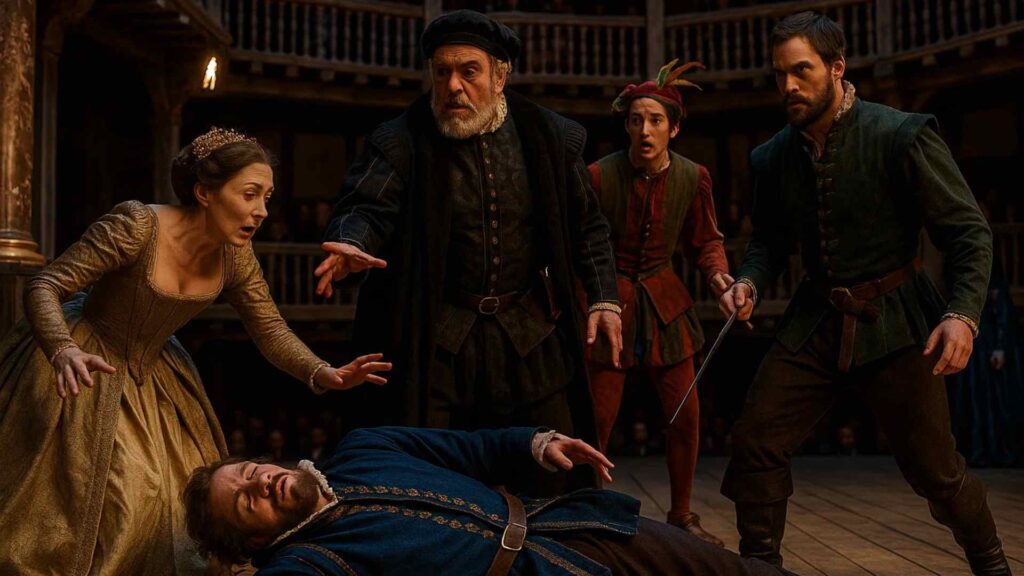
Characters
- Q: Name Hamlet’s faithful friend who survives to tell his story.
A: Horatio. - Q: Juliet’s cousin killed by Romeo?
A: Tybalt. - Q: Mischievous fairy who loves Titania?
A: Oberon’s servant, Puck (Robin Goodfellow). - Q: Gluttonous knight who says “The better part of valour is discretion.”
A: Falstaff. - Q: Blind old earl betrayed by his bastard son?
A: Gloucester (Earl of Gloucester). - Q: Witch‑hunting noble who tricks Othello?
A: Iago (ensign). - Q: Comedy heroine who disguises as a boy named Cesario.
A: Viola. - Q: Roman conspirator torn by honor and love for Caesar.
A: Brutus. - Q: Banished Arden forester who quotes “Sweet are the uses of adversity.”
A: Duke Senior. - Q: Loyal queen who refuses to flatter King Lear.
A: Cordelia. - Q: “A little more than kin, and less than kind” is spoken about whom?
A: Claudius (Hamlet referring to him). - Q: jealous husband in The Winter’s Tale.
A: Leontes. - Q: Italian friar who stages Juliet’s feigned death.
A: Friar Laurence. - Q: Shakespeare’s clown who sings “O mistress mine”?
A: Feste. - Q: Moorish villain of Titus Andronicus.
A: Aaron. - Q: Honest Roman tribune who opposes Coriolanus?
A: Menenius Agrippa (mentor) or Sicinius; accept Sicinius. - Q: Magician‑duke who forgives his usurping brother.
A: Prospero. - Q: Falstaff’s boon companion and bawdy hostess at the Boar’s Head.
A: Mistress Quickly. - Q: Dwarf jester who speaks prophecy in King Lear.
A: The Fool. - Q: Villainous brother who tries to murder Orlando in As You Like It.
A: Oliver. - Q: Desdemona’s lady‑in‑waiting who exposes Iago.
A: Emilia. - Q: Title Roman leader who says “Let Rome in Tiber melt.”
A: Antony. - Q: Gentlewoman pursued by Bertram in All’s Well.
A: Helena. - Q: Last Plantagenet king depicted as a villainous crookback.
A: Richard III. - Q: Mischief‑maker who tells Posthumus of Imogen’s infidelity.
A: Iachimo.
Quotes & Language
- Q: Complete the line: “The course of true love never did run ______.”
A: Smooth (A Midsummer Night’s Dream). - Q: “Cowards die many times before their deaths” appears in which play?
A: Julius Caesar. - Q: Which play coins the phrase “All that glisters is not gold”?
A: The Merchant of Venice. - Q: “To thine own self be true” is advice from which character?
A: Polonius. - Q: “Brevity is the soul of wit” originates in?
A: Hamlet. - Q: “Parting is such sweet sorrow” is said by whom?
A: Juliet. - Q: “We are such stuff as dreams are made on” comes from which play?
A: The Tempest. - Q: Which play bequeathed us the phrase “Wild‑goose chase”?
A: Romeo and Juliet. - Q: “Neither a borrower nor a lender be” warns against what?
A: Debt and lending money (Hamlet). - Q: “Some are born great, some achieve greatness…”—which character speaks this?
A: Malvolio (reading the forged letter). - Q: “Cry ‘Havoc!’ and let slip the dogs of war” is from which tragedy?
A: Julius Caesar. - Q: Which play uses the phrase “More sinned against than sinning”?
A: King Lear. - Q: “What’s past is prologue” underscores destiny in which romance?
A: The Tempest. - Q: “A plague o’ both your houses” is uttered by whom?
A: Mercutio. - Q: “The lady doth protest too much, methinks” comes from which scene?
A: Hamlet watching the Mousetrap play. - Q: “Now is the winter of our discontent” famously begins which soliloquy?
A: Richard III’s opening speech. - Q: Play that coined “foregone conclusion.”
A: Othello. - Q: “All’s well that ends well” is the title of—and quotation from—what play type?
A: Comedy (All’s Well That Ends Well). - Q: “The game is up” (meaning discovered) appears first in?
A: Cymbeline. - Q: “This above all: to thine own self be true” is spoken to which son?
A: Laertes.
Stagecraft & The Globe
- Q: What was the nickname for the cheapest standing‑room area at the Globe?
A: The pit (groundlings). - Q: Universal stage convention signified night by carrying what onstage?
A: A lantern or torch. - Q: How many sides did the Globe’s timber frame appear to have?
A: 20 (essentially circular). - Q: Flag colours indicated play genre—what colour meant tragedy?
A: Black. - Q: The “heavens” painted on the Globe’s canopy depicted what?
A: Stars, zodiac, and sky imagery. - Q: Indoor candlelit theatres allowed performances during which season?
A: Winter. - Q: Rope‑and‑pulley trapdoor on the stage floor was nick‑named?
A: The “hell” or “cellarage.” - Q: All female roles were originally played by whom?
A: Boys or young men. - Q: The modern reconstructed “Shakespeare’s Globe” opened in which year?
A: 1997. - Q: Original Globe lease was built on land owned by which bishopric?
A: The Bishop of Winchester. - Q: What colour garment was legally restricted to nobility yet used for stage costumes?
A: Purple silk or cloth of gold (sumptuary laws). - Q: Cannon fire for Henry VIII caused the 1613 blaze when it ignited what material?
A: The thatched roof. - Q: Playhouse audiences signalled displeasure by throwing what cheap snack?
A: Hazelnuts (or fruit). - Q: A trumpet flourish called the “tucket” announced what?
A: A royal entrance or show’s start. - Q: Approximate seating/standing capacity of the original Globe?
A: About 3,000 spectators.
Influence & Adaptations
- Q: Which 19th‑century actor’s 1865 performance of Julius Caesar preceded Lincoln’s assassination by his brother?
A: John Wilkes Booth (actor) murdered Lincoln; brother Edwin Booth was Shakespearean star. - Q: 1996 Baz Luhrmann film resets Romeo + Juliet in which fictional city?
A: Verona Beach. - Q: West Side Story is a musical adaptation of which play?
A: Romeo and Juliet. - Q: Akira Kurosawa’s Throne of Blood is based on?
A: Macbeth. - Q: Which sci‑fi film re‑imagines The Tempest on the planet Altair IV?
A: Forbidden Planet (1956). - Q: Modern teenage comedy 10 Things I Hate About You adapts which play?
A: The Taming of the Shrew. - Q: Nelson Mandela copied passages of which play onto prison‑smuggled pages of a “Robben Island Bible”?
A: Julius Caesar (also Hamlet lines). - Q: Shakespeare’s works entered the First Folio in what year?
A: 1623. - Q: Which U.K. bard festival town hosts the RSC?
A: Stratford‑upon‑Avon. - Q: Which Nobel laureate’s Hag‑Seed retells The Tempest?
A: Margaret Atwood. - Q: Verdi’s operas Otello and ____ are based on Shakespeare.
A: Falstaff (from Henry IV and The Merry Wives). - Q: Patrick Stewart starred in a 2010 sci‑fi film version of which tragedy set in an ice bunker?
A: Macbeth (MACBETH 2010 PB adaptation). - Q: “The Klingon Hamlet” translates Shakespeare into which fictional language?
A: Klingon. - Q: Which 2015 film casts Michael Fassbender and Marion Cotillard as the murderous Scottish couple?
A: Macbeth. - Q: Disney’s The Lion King loosely mirrors which Shakespeare plot?
A: Hamlet. - Q: Tom Stoppard’s Rosencrantz & Guildenstern Are Dead reframes events of which play?
A: Hamlet. - Q: Which Shakespeare play did astronaut Kjell Lindgren read aloud on the ISS in 2015?
A: The Tempest. - Q: The phrase “What’s in a name?” titled a 2014 genetic study on what flower?
A: The rose (Romeo and Juliet quote). - Q: “Shakespeare in the Park” free performances began in which U.S. city?
A: New York City. - Q: Apple’s famous “Think Different” commercial quoted “Here’s to the crazy ones,” echoing which Shakespearean spirit of non‑conformity—name the play referenced by creatives?
A: Hamlet (adaptors cited “To thine own self be true”).
Apocrypha & Lost Works
- Q: Title of Shakespeare’s partially lost play about the adventures of Cardenio?
A: The History of Cardenio. - Q: Scholars debate Shakespeare’s hand in which 1607 shipwreck play?
A: Pericles (co‑authoring) or The Two Noble Kinsmen; accepted co‑authorship cases. - Q: Edward III is sometimes added to Shakespeare’s canon—true or false?
A: True (probable part‑authorship). - Q: What academic term describes plays sometimes printed with “W.S.” but of doubtful authorship?
A: Shakespeare Apocrypha. - Q: Lost play referenced in Love’s Labour’s Lost sequel title?
A: Love’s Labour’s Won. - Q: Sir Thomas More manuscript contains a scene widely credited to Shakespeare—what historical event does it dramatise?
A: Ill May Day anti‑immigrant riots (1517). - Q: “Bad quartos” refer to what textual phenomenon?
A: Early, error‑ridden or memorially‑reconstructed editions. - Q: Which apocryphal play about a Yorkshire tragedy was once ascribed to Shakespeare?
A: A Yorkshire Tragedy. - Q: Name the lost comedy possibly performed in 1599, about “Peter Shank.”
A: The Isle of Dogs (co‑written with Thomas Nashe). - Q: Which minor two‑part play on Trojan War is partly Shakespearean, per some stylometric studies?
A: The Reign of King Edward III (sometimes Arden of Faversham debated but accept Edward III).
How to Use This Guide
Weave categories into themed quiz rounds, run a 225‑question Bard‑a‑thon, or pluck quick facts for lesson plans.
However you wield these lines and lore, may your Shakespeare knowledge flourish—“for in such business time is like a playful spaniel”!

Ellie Simons creates and edits Random Trivia. She researches trivia using primary and authoritative sources whenever possible and is currently reviewing the site's older trivia library for accuracy, clarity, and playability. Read more on the About page.
Explore more rounds in our Literature and book trivia collection.
About this quiz
Site editor: Ellie Simons. Read our Trivia Methodology to learn how questions are researched and updated. Page last updated: . Report an error.