
Start me up. These 120 Rolling Stones trivia questions cover Mick Jagger, Keith Richards, Charlie Watts, Brian Jones, Ronnie Wood, “Satisfaction,” “Paint It Black,” “Sympathy for the Devil,” “Gimme Shelter,” Sticky Fingers, Exile on Main St., the tongue logo, massive tours, lineup changes, and more than six decades of rock history.
Origins, Mick, Keith & Brian Jones
Q: In what city did the Rolling Stones form?
A: London.
Q: In what year did the band form?
A: 1962.
Q: Who is the lead singer?
A: Mick Jagger.
Q: Who is the longtime guitarist and songwriting partner?
A: Keith Richards.
Q: What childhood connection did Jagger and Richards have?
A: They knew each other as schoolchildren and reconnected as young adults.
Q: What kind of records helped restart their friendship?
A: Blues and R&B records.
Q: Who was an early founder and multi-instrumentalist?
A: Brian Jones.
Q: Who was the band's longtime drummer?
A: Charlie Watts.
Q: Who was the original longtime bassist?
A: Bill Wyman.
Q: Where did the band take its name from?
A: Muddy Waters's song “Rollin' Stone.”
Q: What American musical style heavily inspired the early band?
A: Blues.
Q: Name one blues artist they admired.
A: Muddy Waters, Howlin' Wolf, Chuck Berry, or others.
Q: What club became important to their early London career?
A: Crawdaddy Club.
Q: Who managed the band in the 1960s?
A: Andrew Loog Oldham.
Q: What image did Oldham cultivate?
A: A rebellious alternative to cleaner-cut pop groups.
Q: What writing partnership became central?
A: Jagger-Richards.
Q: Did Mick and Keith write all their earliest material?
A: No. Early albums included many blues and R&B covers.
Q: What song became their first major U.S. No. 1?
A: “(I Can't Get No) Satisfaction.”
Q: Who created its famous guitar riff?
A: Keith Richards.
Q: What device helped create the riff's distorted sound?
A: Fuzz box.
Q: Did Richards initially think the riff was the final arrangement?
A: No. He imagined horns replacing it.
Q: What happened instead?
A: The fuzz-guitar demo sound became iconic.
Q: What is Charlie Watts's drumming reputation?
A: Elegant, swinging, disciplined, and deceptively simple.
Q: What did Watts love outside rock?
A: Jazz.
Q: What instruments did Brian Jones play?
A: Guitar plus sitar, marimba, harmonica, keyboards, and many others.
Q: What happened to Brian Jones in 1969?
A: He left the band and died shortly afterward.
Q: Where was he found dead?
A: Swimming pool at his home.
Q: Who replaced Jones on guitar?
A: Mick Taylor.
Q: What famous free concert occurred days after Jones's death?
A: Hyde Park concert.
Q: Why are the band's blues roots important?
A: They introduced many young listeners to African American blues artists while building their own rock style.

Paint It Black, Beggars Banquet & Let It Bleed
Q: What 1966 song features sitar?
A: “Paint It Black.”
Q: Who played the sitar?
A: Brian Jones.
Q: What album contains “Paint It Black” in the U.S. edition?
A: Aftermath.
Q: What was notable about Aftermath?
A: It was the first Stones album made entirely of Jagger-Richards compositions.
Q: What long song closes the U.K. version?
A: “Going Home.”
Q: What 1967 psychedelic album followed?
A: Their Satanic Majesties Request.
Q: What 1968 album marked a return to rootsier rock?
A: Beggars Banquet.
Q: What song opens it with Satan introducing himself?
A: “Sympathy for the Devil.”
Q: What narrative voice does the song use?
A: The Devil recounting human violence and history.
Q: What percussion gives it a distinctive groove?
A: Congas and samba-influenced rhythm.
Q: What song from Beggars Banquet describes poverty and rural struggle?
A: “Street Fighting Man” is political, while “Factory Girl” and “Salt of the Earth” address working-class themes.
Q: What political song became linked to 1968 unrest?
A: “Street Fighting Man.”
Q: What 1969 album contains “Gimme Shelter”?
A: Let It Bleed.
Q: Who sings the famous guest vocal on “Gimme Shelter”?
A: Merry Clayton.
Q: What word does Clayton powerfully sing?
A: “Rape, murder” in the song's apocalyptic refrain.
Q: What country-style song closes Let It Bleed?
A: “You Can't Always Get What You Want.”
Q: What choir opens that song?
A: London Bach Choir.
Q: What does its refrain advise?
A: You may not get what you want, but sometimes get what you need.
Q: What disastrous 1969 concert became a symbol of the end of the 1960s counterculture?
A: Altamont Free Concert.
Q: Who provided security near the stage?
A: Hells Angels.
Q: What tragedy occurred?
A: Meredith Hunter was killed near the stage.
Q: What documentary captured the tour and Altamont?
A: Gimme Shelter.
Q: What filmmaking team made it?
A: Albert and David Maysles with Charlotte Zwerin.
Q: What period did these albums establish?
A: A darker, bluesier, more mature Stones sound.
Q: What guitar tuning is Keith Richards famous for using?
A: Open G.
Q: How many strings does he often use with open G?
A: Five, removing the lowest string on certain guitars.
Q: What does that tuning help create?
A: Signature riffs with ringing chord shapes.
Q: Name a song associated with open-G Richards riffs.
A: “Brown Sugar,” “Start Me Up,” or “Honky Tonk Women.”
Q: What single features a cowbell and country-rock groove?
A: “Honky Tonk Women.”
Q: Why is the 1968-69 period central?
A: The band refined the blues-rock style that became its enduring identity.
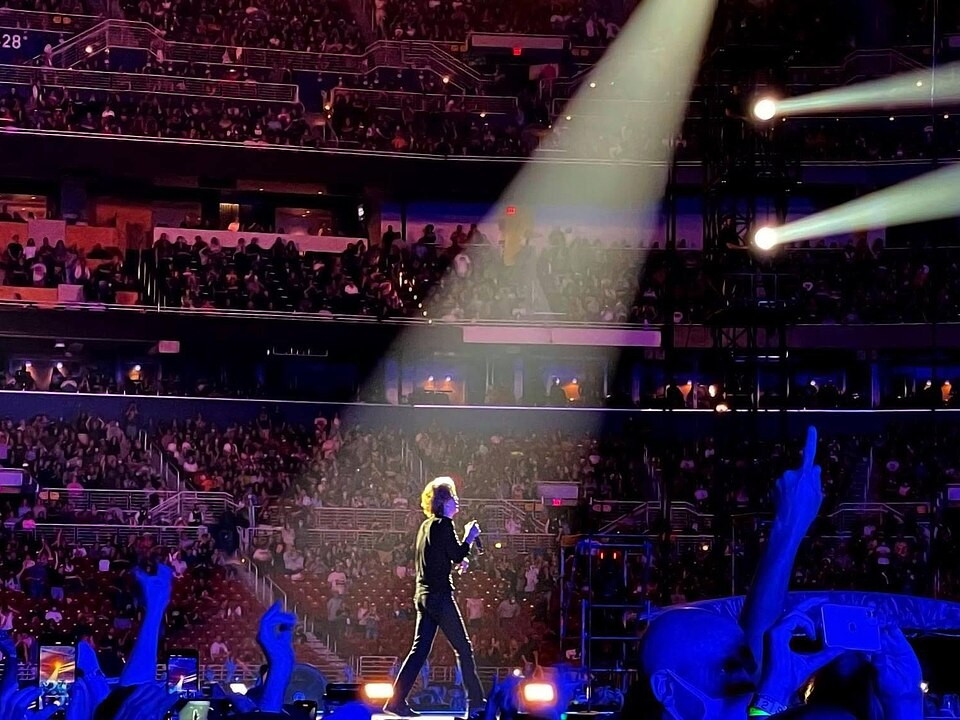
Sticky Fingers, Exile & Ronnie Wood
Q: What 1971 album introduced the famous tongue logo prominently?
A: Sticky Fingers.
Q: Who designed the tongue-and-lips logo?
A: John Pasche.
Q: What did the logo evoke?
A: Mick Jagger's mouth, rebellion, and the Hindu goddess Kali among design influences.
Q: Who created the famous Sticky Fingers cover concept?
A: Andy Warhol.
Q: What interactive feature appeared on original copies?
A: Working zipper.
Q: What hit opens Sticky Fingers?
A: “Brown Sugar.”
Q: Why has “Brown Sugar” become controversial?
A: Its lyrics invoke slavery, sexual violence, and racial imagery.
Q: What ballad on Sticky Fingers is titled “Wild Horses”?
A: “Wild Horses.”
Q: What drug-themed song closes the album?
A: “Moonlight Mile” closes it, while “Sister Morphine” explicitly addresses morphine.
Q: What 1972 double album is often considered a masterpiece?
A: Exile on Main St.
Q: Where was much of Exile recorded?
A: Villa Nellcôte in southern France, with later overdubs in Los Angeles.
Q: Why were the Stones in France?
A: Tax and financial reasons contributed to their exile from Britain.
Q: What song from Exile is a gospel-rock anthem?
A: “Shine a Light” and “Let It Loose” have gospel elements.
Q: What hit single leads the album?
A: “Tumbling Dice.”
Q: What musical styles fill Exile?
A: Blues, country, gospel, soul, rock and roll, and roots music.
Q: What was unusual about its initial reception?
A: Reviews were mixed before it became widely regarded as a classic.
Q: What happened to Mick Taylor in 1974?
A: He left the band.
Q: Who replaced him?
A: Ronnie Wood.
Q: What band had Ronnie Wood played in with Rod Stewart?
A: Faces.
Q: What instrument does Wood play?
A: Guitar.
Q: What phrase describes Richards and Wood's guitar interplay?
A: Ancient art of weaving.
Q: What does it mean?
A: Their guitar parts interlock rather than divide neatly into lead and rhythm.
Q: What 1978 album responded to punk and disco-era energy?
A: Some Girls.
Q: What disco-influenced hit appears on it?
A: “Miss You.”
Q: What country song appears there?
A: “Far Away Eyes.”
Q: What punky title track created controversy?
A: “Some Girls.”
Q: What 1981 album contains “Start Me Up”?
A: Tattoo You.
Q: Was “Start Me Up” newly written entirely in 1981?
A: No. It developed from earlier recording sessions.
Q: What did Tattoo You demonstrate about the Stones' archives?
A: Older unfinished recordings could be reshaped into a major album.
Q: Why is the Ronnie Wood era enduring?
A: His chemistry with Richards helped stabilize the band's live guitar identity for decades.
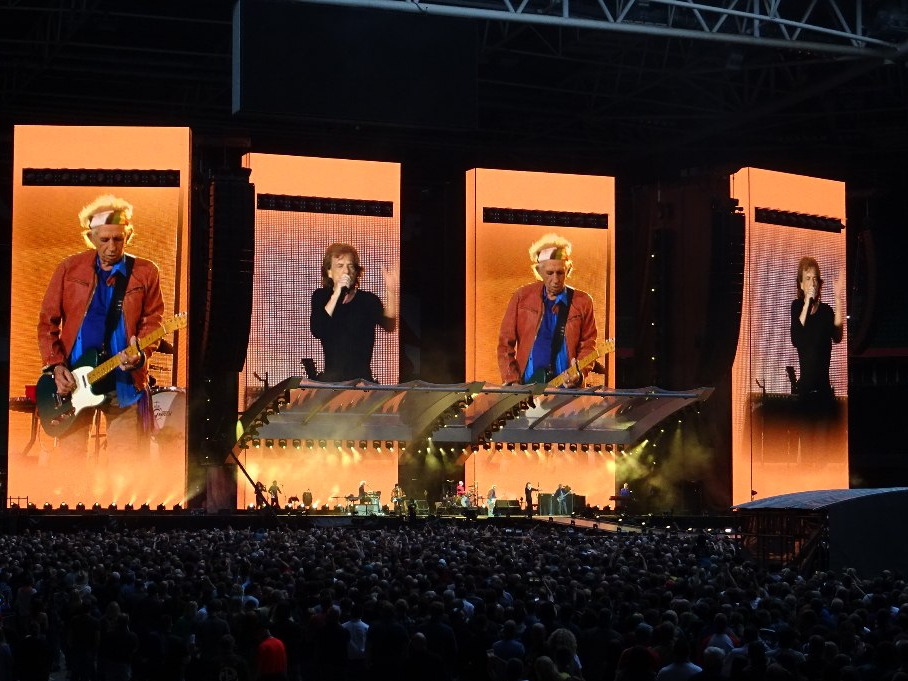
Tours, Charlie Watts, Legacy & Hard Stones Trivia
Q: What makes Rolling Stones tours famous?
A: Huge stages, long setlists, global stadiums, and decades-spanning hits.
Q: What tongue-logo stage imagery appears repeatedly?
A: Giant lips, tongues, ramps, and bright red branding.
Q: What 1989-90 tour marked a huge comeback to the road?
A: Steel Wheels/Urban Jungle tour.
Q: What 1994 album followed Bill Wyman's departure?
A: Voodoo Lounge.
Q: What bassist became a major touring player?
A: Darryl Jones.
Q: Was Darryl Jones made an official full band member?
A: No.
Q: What 1997 album contains “Anybody Seen My Baby?”
A: Bridges to Babylon.
Q: What 2005 album is titled A Bigger Bang?
A: A Bigger Bang.
Q: What 2016 album returned to blues covers?
A: Blue & Lonesome.
Q: What was notable about it?
A: It revisited blues songs that inspired the band's formation.
Q: When did Charlie Watts die?
A: August 24, 2021.
Q: How long had he been in the band?
A: Since 1963.
Q: Who became the main touring drummer after Watts?
A: Steve Jordan.
Q: What 2023 studio album featured new original material?
A: Hackney Diamonds.
Q: What does “Hackney diamonds” mean in British slang?
A: Broken glass from smashed windows.
Q: What single launched that era?
A: “Angry.”
Q: What late Charlie Watts recordings appear on the album?
A: Watts plays on selected tracks recorded before his death.
Q: What former bassist also appears on a track?
A: Bill Wyman.
Q: What Beatle plays bass on “Bite My Head Off”?
A: Paul McCartney.
Q: What does this album demonstrate?
A: The Stones were still recording new rock music more than 60 years after forming.
Q: What two men form the core songwriting partnership?
A: Mick Jagger and Keith Richards.
Q: What nickname is sometimes used for that partnership?
A: The Glimmer Twins.
Q: Where did that nickname come from?
A: A humorous travel story in which people kept asking them who they were.
Q: What is the famous band logo?
A: Tongue and lips.
Q: What song contains the iconic fuzz riff?
A: “Satisfaction.”
Q: What song features Merry Clayton?
A: “Gimme Shelter.”
Q: What album was recorded partly at Nellcôte?
A: Exile on Main St.
Q: What album has the Warhol zipper?
A: Sticky Fingers.
Q: Why are the Rolling Stones especially deep trivia material?
A: Blues history, songwriting, fashion, scandals, changing guitarists, iconic albums, enormous tours, and six decades of cultural relevance.
Q: What simple fact makes their longevity extraordinary?
A: The band formed in 1962 and continued performing and recording into the 2020s.
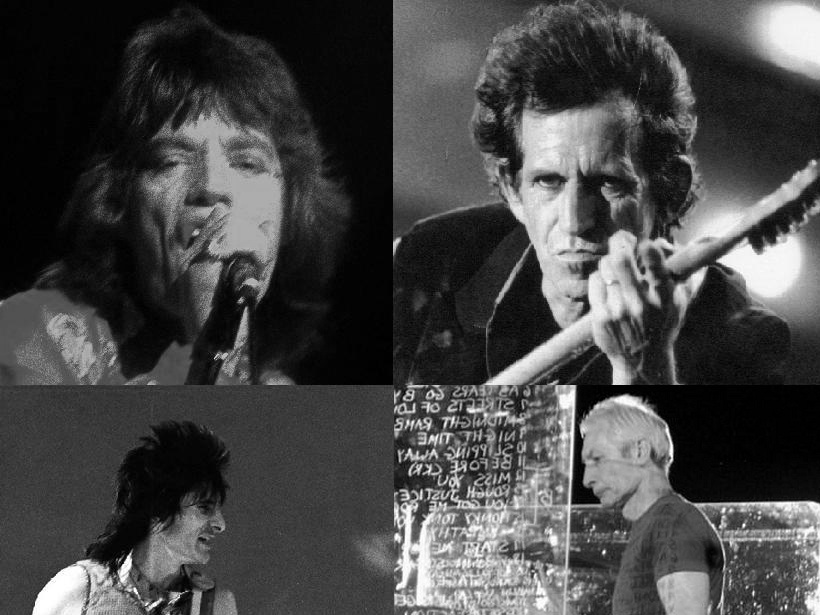
How Did You Score?
If Muddy Waters, the fuzz box, Merry Clayton, the Warhol zipper, Nellcôte, ancient art of weaving, Darryl Jones, and Hackney Diamonds all came easily, your Stones trivia gets satisfaction.

Ellie Simons creates and edits Random Trivia. She researches trivia using primary and authoritative sources whenever possible and is currently reviewing the site's older trivia library for accuracy, clarity, and playability. Read more on the About page.
Explore more questions in our music trivia guide.
About this quiz
Site editor: Ellie Simons. Read our Trivia Methodology to learn how questions are researched and updated. Page last updated: . Report an error.