
Bring on the lanterns, lucky foods, and a calendar full of fresh-start energy.
This Lunar New Year trivia guide celebrates several distinct traditions, so every custom gets its proper cultural home.
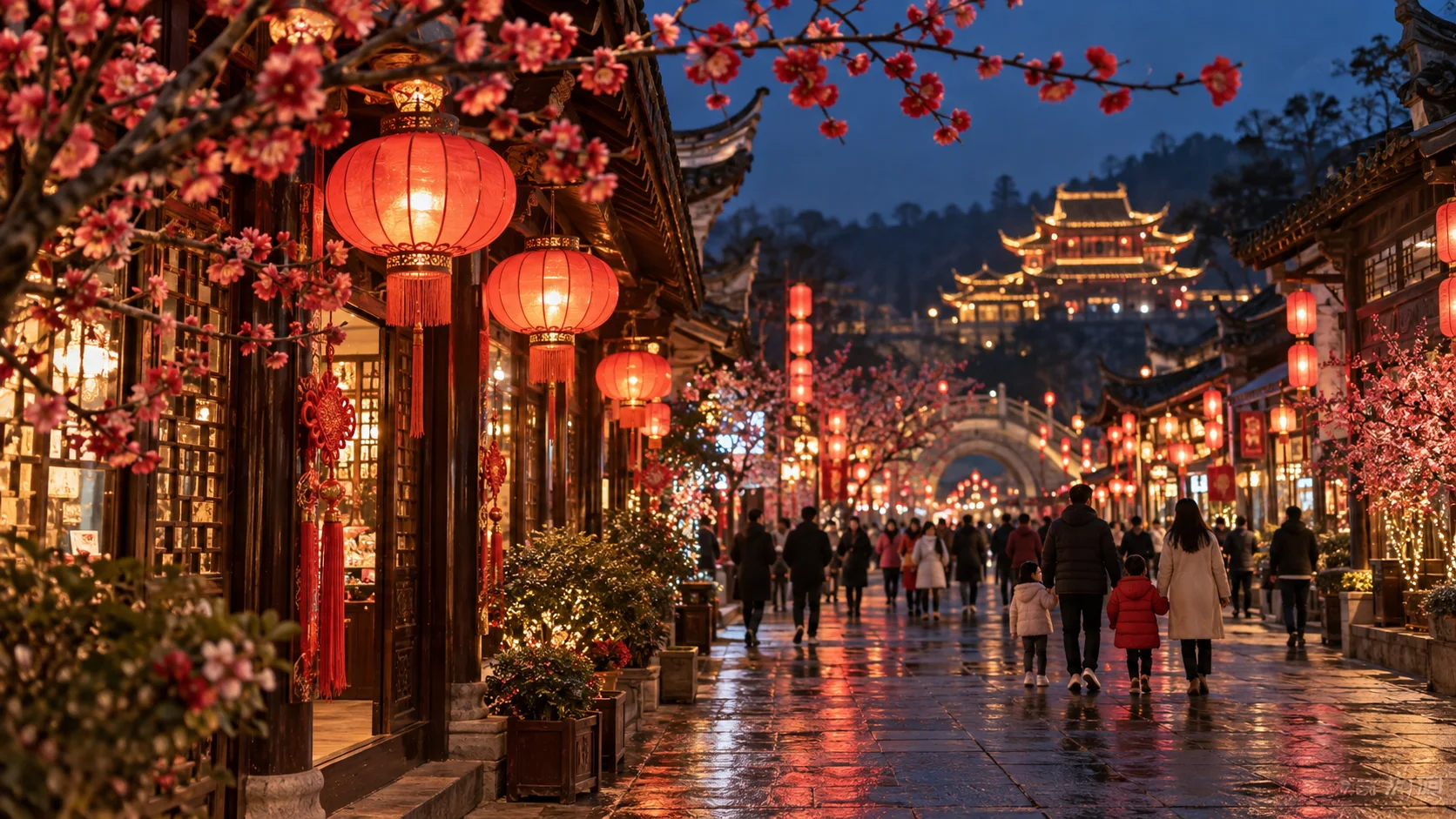
Calendars and New Beginnings
First, get the dates straight before hopping into more holiday trivia.
- Does Lunar New Year fall on the same Gregorian date every year?
Answer: No, the date changes each year - Lunar New Year usually falls in which two Gregorian months?
Answer: January or February - Which moon phase begins the traditional Chinese lunar month?
Answer: The new moon - What is the Chinese name for the Spring Festival?
Answer: Chun Jie - How many animals are in the Chinese zodiac cycle?
Answer: Twelve - How many years pass before the same zodiac animal returns?
Answer: Twelve years - What larger cycle combines twelve animals with five elements?
Answer: A 60-year cycle - Which element is associated with each year alongside a zodiac animal?
Answer: One of wood, fire, earth, metal, or water - What does the first day of Lunar New Year mark?
Answer: The beginning of a new year on a lunisolar calendar - Which festival traditionally closes the Chinese New Year period on the fifteenth day?
Answer: The Lantern Festival
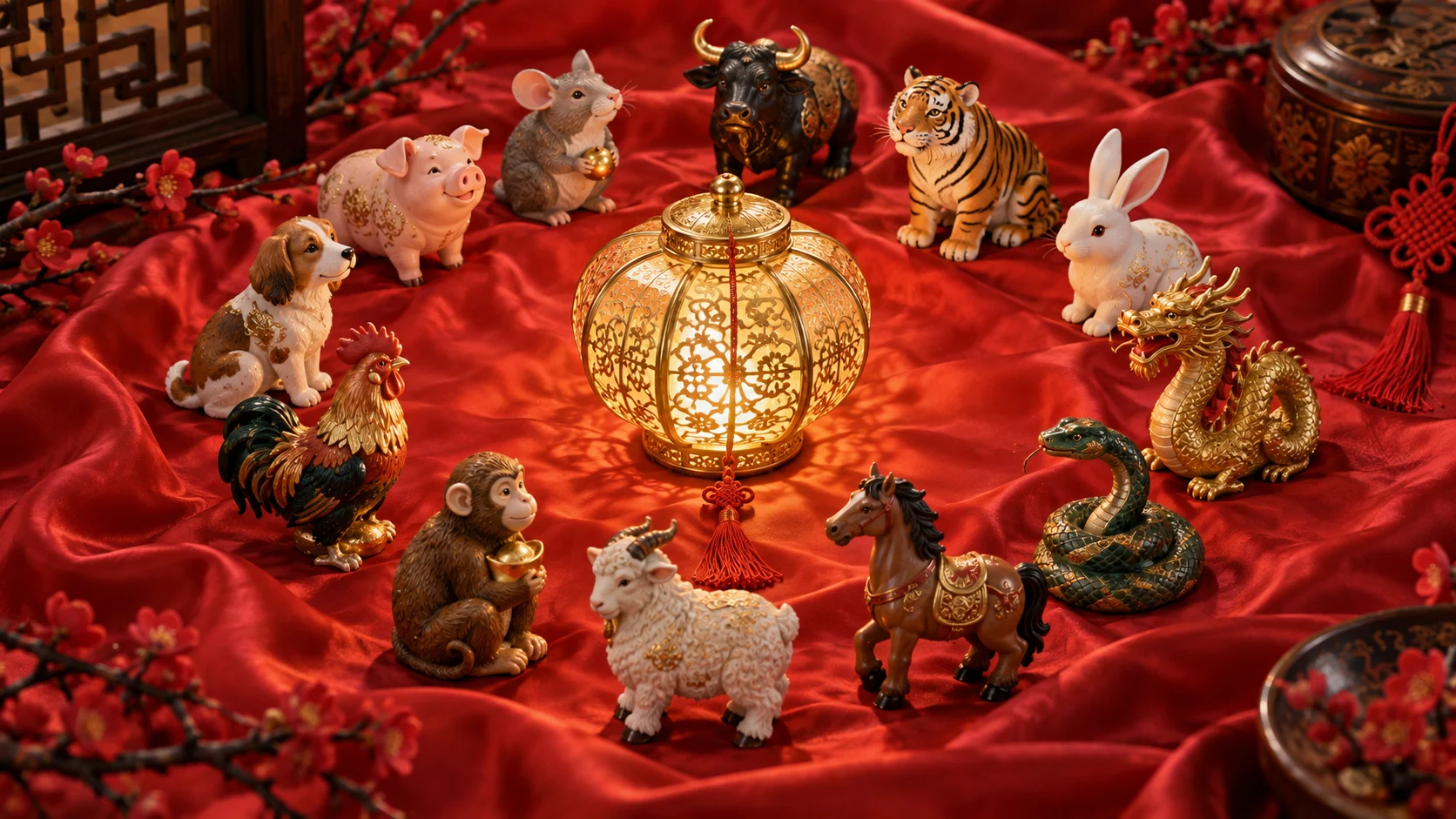
Meet the Chinese Zodiac
Twelve animals enter, and every one of them has a story.
- Which animal comes first in the Chinese zodiac?
Answer: The Rat - Which animal follows the Rat?
Answer: The Ox - Which striped cat is third in the zodiac?
Answer: The Tiger - Which animal is fourth in the Chinese zodiac?
Answer: The Rabbit - Which zodiac animal is a mythical creature?
Answer: The Dragon - Which reptile follows the Dragon?
Answer: The Snake - Which zodiac animal comes between the Snake and Goat?
Answer: The Horse - Which animal may also be translated as Sheep or Ram?
Answer: The Goat - Which clever primate is ninth in the cycle?
Answer: The Monkey - Which three animals finish the cycle after the Monkey?
Answer: Rooster, Dog, and Pig
Chinese New Year Traditions
These customs belong specifically to Chinese celebrations, from red envelopes to reunion dinner.
- What color symbolizes good fortune and joy in many Chinese New Year decorations?
Answer: Red - What are red envelopes called in Mandarin?
Answer: Hongbao - What is traditionally placed inside a red envelope?
Answer: Money - Who commonly gives red envelopes to children?
Answer: Older relatives or married adults - What major family meal is held on Chinese New Year’s Eve?
Answer: The reunion dinner - Why are homes often cleaned before New Year’s Day?
Answer: To sweep away old misfortune and welcome a fresh start - Why do some families avoid sweeping on New Year’s Day?
Answer: To avoid sweeping away newly arrived good luck - What loud inventions are traditionally used to scare away evil spirits?
Answer: Firecrackers - What paper decoration often features the character fu?
Answer: A red diamond-shaped sign - What does the Chinese character fu mean?
Answer: Good fortune or blessing
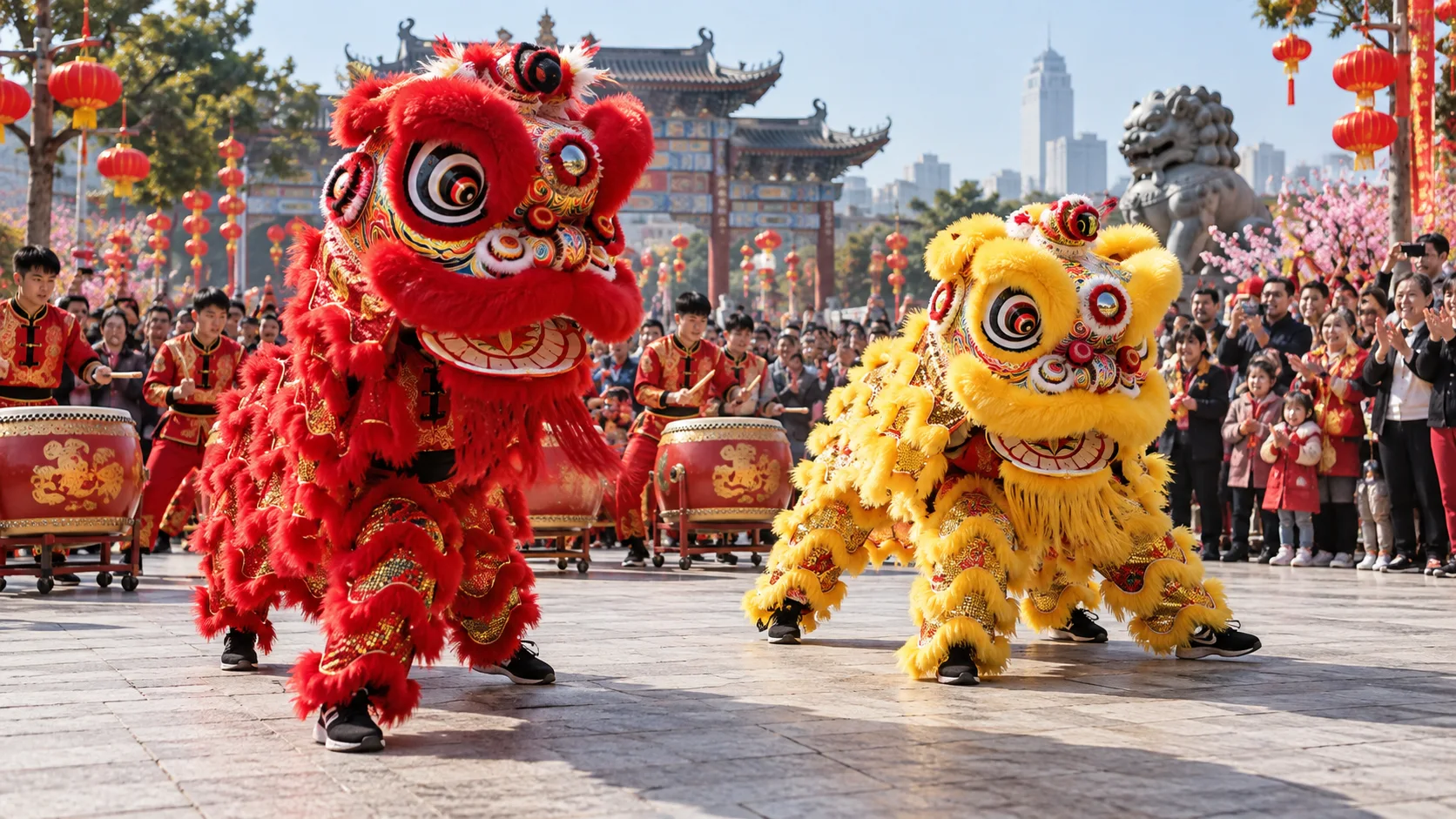
Legends, Lions, and Dragons
This round has mythical monsters, dancing creatures, and enough percussion to wake the whole neighborhood.
- What legendary beast is said to have terrorized villages at New Year?
Answer: Nian - Which color was said to frighten Nian?
Answer: Red - What two other things were said to scare Nian away?
Answer: Bright lights and loud noises - How many performers usually operate a traditional lion dance costume?
Answer: Two - How is a dragon dance costume typically controlled?
Answer: By several performers holding poles - Which dance costume is generally longer, a lion or a dragon?
Answer: A dragon - What instruments commonly accompany lion dances?
Answer: Drums, cymbals, and gongs - What leafy vegetable may a lion dancer symbolically 'eat' during a performance?
Answer: Lettuce - What lucky gift may be attached to the lettuce?
Answer: A red envelope - In Chinese culture, the dragon traditionally represents what kind of power?
Answer: Auspicious power and good fortune
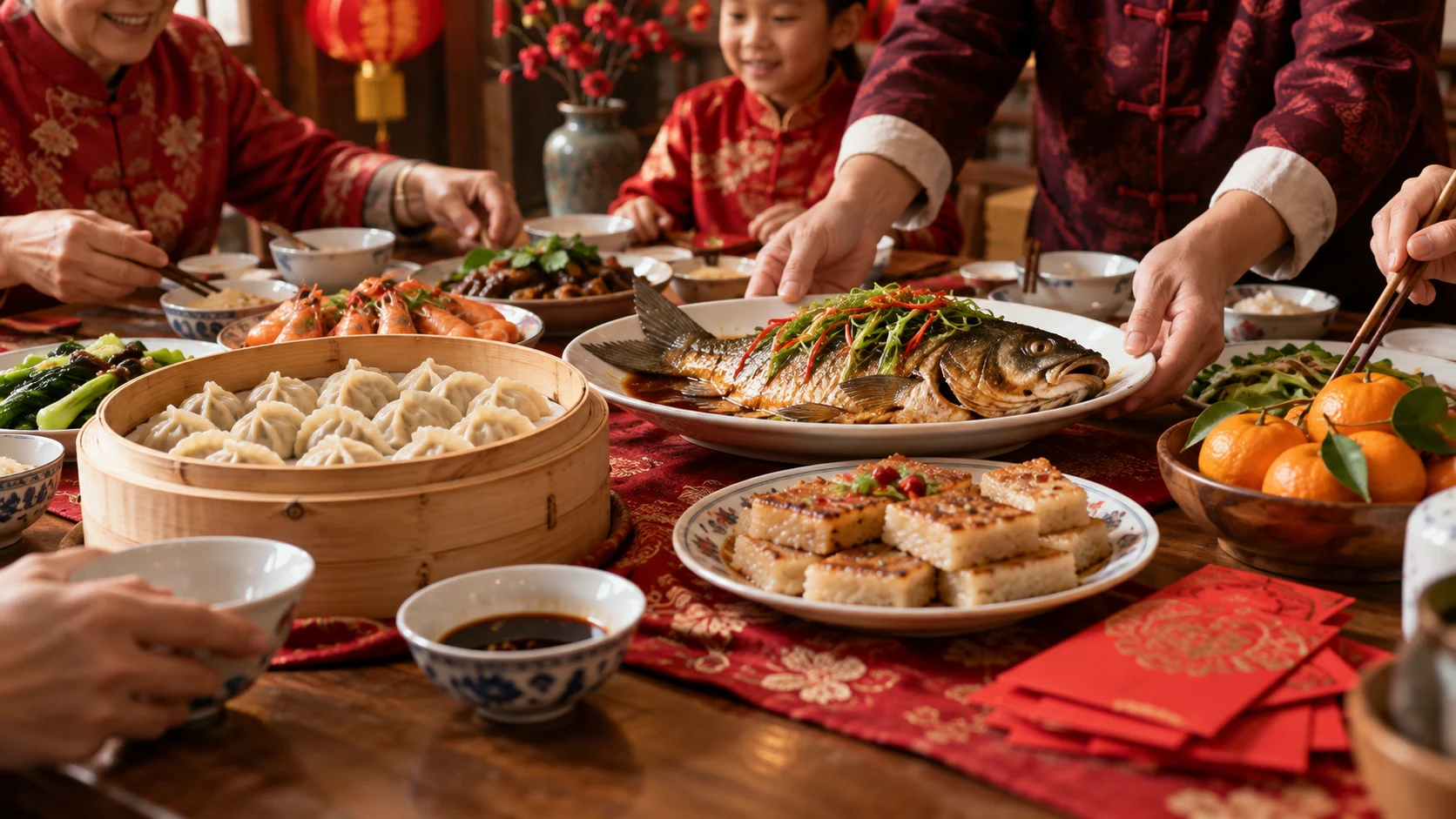
Lucky Foods at the Chinese Table
Hungry for symbolism? Continue with our food trivia after this delicious round.
- Which dumpling shape is associated with ancient Chinese silver ingots?
Answer: A crescent or ingot shape - What do long noodles symbolize at New Year?
Answer: Longevity - Why are noodles often served uncut?
Answer: Cutting them could symbolically shorten life - Which whole fish dish symbolizes abundance?
Answer: A whole steamed fish - Why is fish considered auspicious in Chinese wordplay?
Answer: The word for fish sounds like the word for surplus - What sticky rice cake is called nian gao?
Answer: New Year cake - What does nian gao symbolize through wordplay?
Answer: Rising higher year after year - Which citrus fruits are exchanged because their color and names suggest luck?
Answer: Mandarins and oranges - What round sweet rice balls are served during the Lantern Festival?
Answer: Tangyuan - What does the round shape of tangyuan symbolize?
Answer: Family unity and togetherness
Vietnamese Tết Traditions
Tết is Vietnamese New Year, with its own foods, flowers, and beloved household customs.
- What is the common short name for Vietnamese Lunar New Year?
Answer: Tết - What does the full name Tết Nguyên Đán mean?
Answer: Festival of the First Morning of the First Day - What square sticky rice cake is traditional in northern Vietnam?
Answer: Bánh chưng - What cylindrical rice cake is especially associated with southern Vietnam?
Answer: Bánh tét - Which blossom is strongly associated with Tết in northern Vietnam?
Answer: Peach blossom - Which yellow blossom is popular in southern Vietnam?
Answer: Yellow apricot blossom - What is lì xì?
Answer: Lucky money in red envelopes - What Tết custom concerns the first visitor to enter a home?
Answer: Xông đất, or first-footing - Why is the first visitor chosen carefully in some families?
Answer: They are believed to influence the household’s luck - Which zodiac animal replaces the Rabbit in the Vietnamese cycle?
Answer: The Cat
Korean Seollal Customs
Now head to Korea for bows, rice-cake soup, games, and a holiday name all its own.
- What is Korean Lunar New Year called?
Answer: Seollal - What traditional clothing may be worn for Seollal?
Answer: Hanbok - What deep formal bow do younger people perform for elders?
Answer: Sebae - What do elders often give children after receiving sebae?
Answer: New Year’s money and blessings - What rice-cake soup is traditionally eaten at Seollal?
Answer: Tteokguk - What are the thin oval rice cakes in tteokguk called?
Answer: Tteok - Eating tteokguk traditionally symbolizes gaining what?
Answer: A year of age - What four-stick board game is often played during Seollal?
Answer: Yutnori - What family rite may honor ancestors during Seollal?
Answer: Charye - What Korean zodiac system also follows a twelve-animal cycle?
Answer: The ddi, based on the East Asian zodiac
Celebrations Across Asia and Beyond
Lunar New Year is not one single celebration, and this round makes the distinctions clear.
- What is Mongolian Lunar New Year called?
Answer: Tsagaan Sar - What does Tsagaan Sar mean in English?
Answer: White Moon - What filled dumpling is commonly served during Tsagaan Sar?
Answer: Buuz - What is Tibetan New Year called?
Answer: Losar - Does Losar always fall on the same date as Chinese New Year?
Answer: No - What is the traditional Okinawan Lunar New Year called?
Answer: Sōgwachi - Which Southeast Asian country celebrates Chinese New Year as a national public holiday alongside Malay and Indian festivals?
Answer: Malaysia - What name is commonly used for Chinese New Year in Singapore?
Answer: Lunar New Year or Chinese New Year - Which U.S. city is famous for one of North America’s oldest Chinese New Year parades?
Answer: San Francisco - Which Manhattan neighborhood hosts a major New York Lunar New Year parade?
Answer: Chinatown
Lantern Festival Finale
The fifteenth night arrives glowing, sweet, and ready for a last round.
- On which day of the first lunar month is the Lantern Festival held?
Answer: The fifteenth day - What moon phase usually appears at the Lantern Festival?
Answer: A full moon - What is the Lantern Festival called in Mandarin?
Answer: Yuanxiao Jie - What riddles may be attached to festival lanterns?
Answer: Lantern riddles - What northern Chinese sweet dumpling gives the festival another name?
Answer: Yuanxiao - How do yuanxiao traditionally differ from tangyuan in preparation?
Answer: Yuanxiao are rolled in rice flour, while tangyuan are shaped from dough - What does the round shape of Lantern Festival sweets represent?
Answer: Wholeness and family reunion - What bright objects are displayed and carried during the festival?
Answer: Decorative lanterns - Which animal dance is often performed during Lantern Festival celebrations?
Answer: Lion or dragon dance - What part of the New Year season does the Lantern Festival traditionally mark?
Answer: Its conclusion
Greetings, Symbols, and Final Fortunes
Close with greetings and symbols, then try our world festivals trivia for another trip around the calendar.
- What common Mandarin greeting means 'Happy New Year'?
Answer: Xin nian kuai le - What Cantonese greeting wishes happiness and prosperity?
Answer: Gong hei fat choy - What Vietnamese greeting means 'Happy New Year'?
Answer: Chúc mừng năm mới - What Korean greeting means 'Please receive lots of New Year blessings'?
Answer: Saehae bok mani badeuseyo - Which number is often considered lucky in Chinese culture because it sounds like prosperity?
Answer: Eight - Which number is often avoided because it sounds like death in several East Asian languages?
Answer: Four - What red fruit with many seeds can symbolize fertility and abundance?
Answer: Pomegranate - What flowering plant symbolizes rebirth because it blooms in winter?
Answer: Plum blossom - What mythical bird may be paired with a dragon in auspicious imagery?
Answer: The fenghuang, often called the Chinese phoenix - What central idea connects many Lunar New Year customs across cultures?
Answer: Welcoming good fortune and renewing family ties
Sources and Further Reading
- Smithsonian: Lunar New Year
- Encyclopaedia Britannica: Chinese New Year
- Korea.net: Seollal
- Vietnam National Authority of Tourism: Tết
- Smithsonian Folklife: Lunar New Year Traditions

Ellie Ewert is the founder and author of RandomTrivia.co, blending her passion for research with years of experience in content creation to deliver accurate, engaging, and well-sourced trivia. Dedicated to providing readers with trustworthy and entertaining facts, she applies meticulous fact-checking and SEO expertise to ensure every article meets the highest standards. Read more about our high standards in our Editorial Guidelines.