
California can fit a redwood forest, a movie premiere, a desert road trip, and a world-changing invention into one very busy weekend.
These California trivia questions cruise through Golden State geography, history, cities, nature, food, entertainment, innovation, and sports.
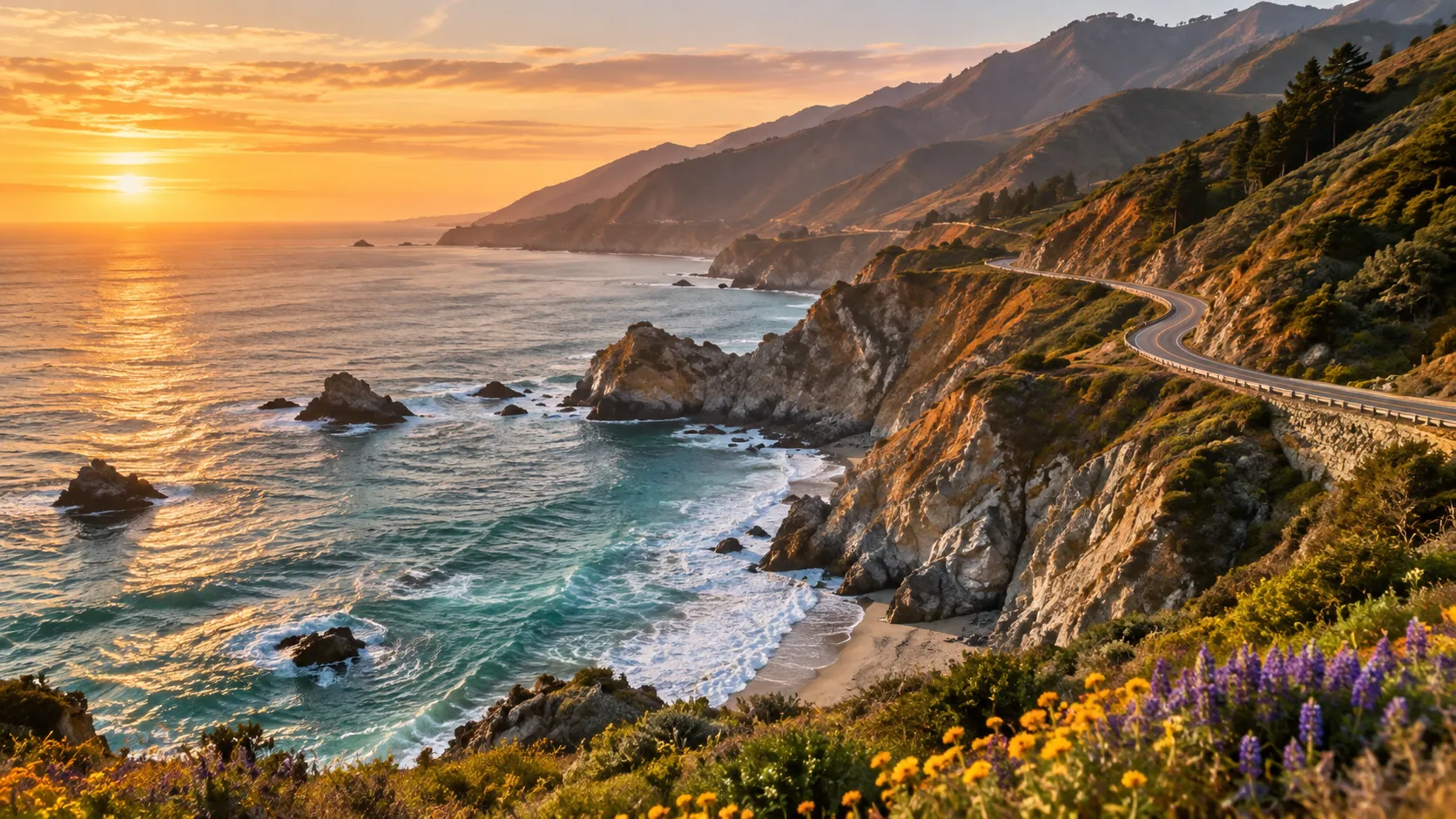
The Golden State on the Map
Q: What is the capital of California?
A: Sacramento.
Q: What is California's largest city by population?
A: Los Angeles.
Q: Which ocean borders California?
A: The Pacific Ocean.
Q: Which three U.S. states border California?
A: Oregon, Nevada, and Arizona.
Q: Which country borders California to the south?
A: Mexico.
Q: What is California's official nickname?
A: The Golden State.
Q: In what year did California become a state?
A: 1850.
Q: California entered the Union as which numbered state?
A: The 31st state.
Q: What is the highest mountain in California and the contiguous United States?
A: Mount Whitney.
Q: What is the lowest point in California and North America?
A: Badwater Basin in Death Valley.
Q: Which mountain range runs along much of eastern California?
A: The Sierra Nevada.
Q: What fertile interior region includes the Sacramento and San Joaquin valleys?
A: The Central Valley.
Q: Which major river flows south through the Sacramento Valley?
A: The Sacramento River.
Q: Which fault system marks a boundary between the Pacific and North American plates?
A: The San Andreas Fault.
Q: Which desert occupies much of southeastern California?
A: The Mojave Desert.
Native Nations, Missions, and Statehood
Q: Which Indigenous people have lived in the Yosemite Valley region for generations?
A: The Ahwahneechee.
Q: Which Indigenous nation is associated with the redwood coast around present-day Humboldt County?
A: The Yurok Tribe.
Q: Which Spanish explorer sailed into San Diego Bay in 1542?
A: Juan Rodríguez Cabrillo.
Q: Which Franciscan friar founded the first Spanish mission in Alta California?
A: Junípero Serra.
Q: What was the first of California's Spanish missions?
A: Mission San Diego de Alcalá.
Q: How many Spanish missions were established in Alta California?
A: Twenty-one.
Q: Which road historically linked California's Spanish missions?
A: El Camino Real.
Q: California became part of which country after Mexican independence from Spain?
A: Mexico.
Q: What 1846 revolt created a short-lived California Republic?
A: The Bear Flag Revolt.
Q: Which animal appeared on the Bear Flag and still appears on the state flag?
A: A grizzly bear.
Q: Which treaty transferred California from Mexico to the United States in 1848?
A: The Treaty of Guadalupe Hidalgo.
Q: What 1849 gathering drafted California's first state constitution?
A: The Monterey Constitutional Convention.
Q: What was California's first state capital?
A: San Jose.
Q: Which nickname was given to the fast-growing city of San Francisco during the Gold Rush?
A: The instant city.
Q: What is the motto of California?
A: Eureka.
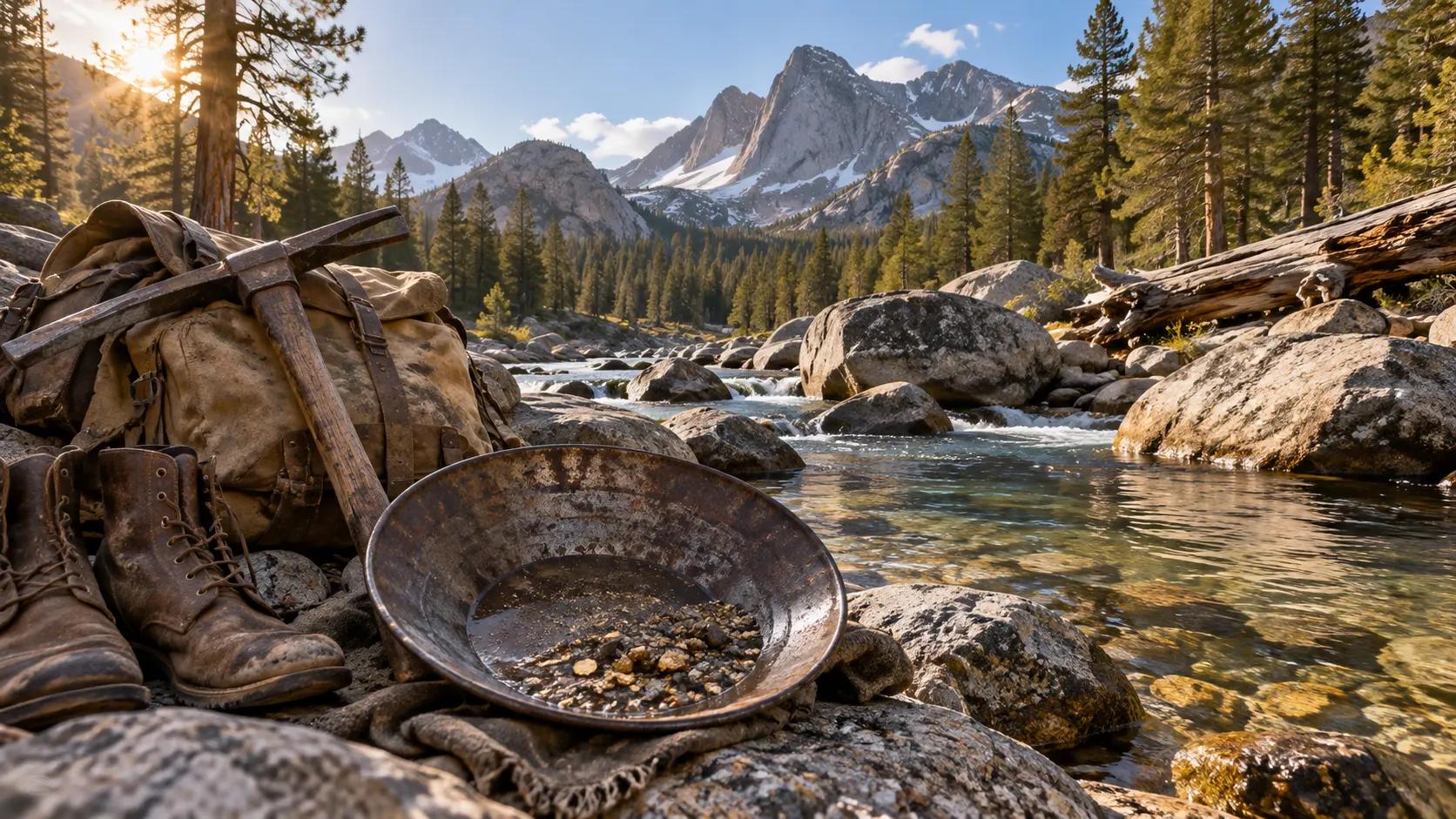
Gold Rush Fever
Q: Who discovered gold at Sutter's Mill in 1848?
A: James W. Marshall.
Q: On which river was Sutter's Mill located?
A: The American River.
Q: What present-day town grew near the site of Sutter's Mill?
A: Coloma.
Q: What nickname was given to Gold Rush migrants who arrived in 1849?
A: Forty-niners.
Q: What was the Mother Lode?
A: A rich belt of gold deposits in the Sierra Nevada foothills.
Q: What simple shallow pan did prospectors use to separate gold from sediment?
A: A gold pan.
Q: What device used flowing water to wash gold-bearing gravel through riffles?
A: A sluice box.
Q: What destructive mining method blasted hillsides with high-pressure water?
A: Hydraulic mining.
Q: Which entrepreneur became wealthy selling sturdy pants to miners?
A: Levi Strauss.
Q: Which merchant's publicizing of the discovery helped ignite Gold Rush fever?
A: Samuel Brannan.
Q: Which port city became the main gateway to the goldfields?
A: San Francisco.
Q: What sea route carried some prospectors around the southern tip of South America?
A: The route around Cape Horn.
Q: Which narrow Central American isthmus did some gold seekers cross to shorten the journey?
A: The Isthmus of Panama.
Q: What mining settlements were quickly abandoned after their gold ran out?
A: Ghost towns.
Q: Which Gold Country town is home to Columbia State Historic Park?
A: Columbia.
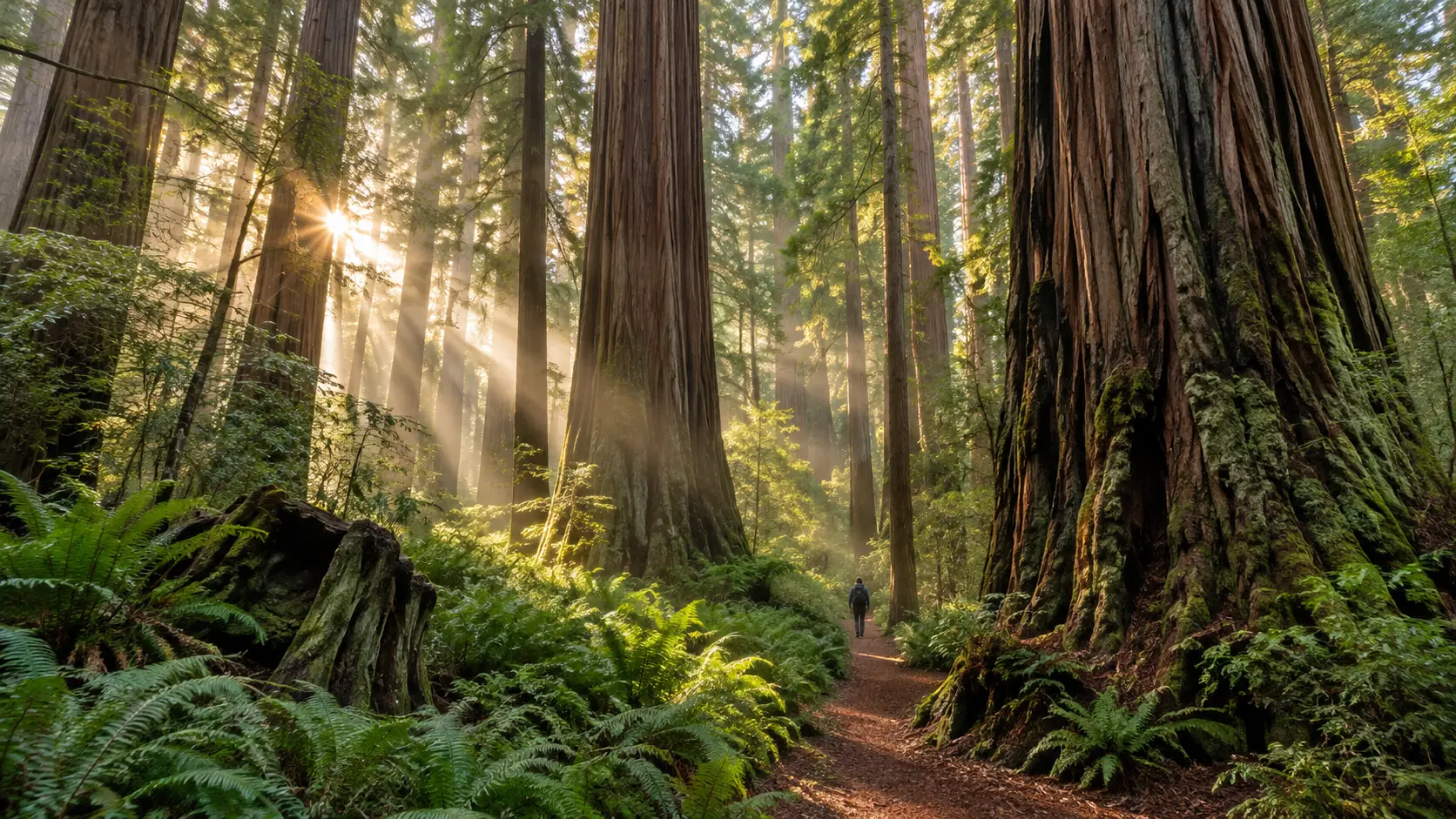
Redwoods, Deserts, and National Parks
Q: Which California national park is famous for El Capitan and Half Dome?
A: Yosemite National Park.
Q: Which naturalist's advocacy helped protect Yosemite?
A: John Muir.
Q: What is the tallest waterfall in Yosemite National Park?
A: Yosemite Falls.
Q: Which California national park contains the General Sherman Tree?
A: Sequoia National Park.
Q: What species is the General Sherman Tree?
A: Giant sequoia.
Q: What California tree species is the tallest living tree species on Earth?
A: Coast redwood.
Q: Which national park is known for extreme heat, salt flats, and Badwater Basin?
A: Death Valley National Park.
Q: Which desert park is named for a branching yucca?
A: Joshua Tree National Park.
Q: Which volcanic peak dominates Lassen Volcanic National Park?
A: Lassen Peak.
Q: Which national park protects dramatic rock spires east of the Salinas Valley?
A: Pinnacles National Park.
Q: Which enormous inland lake was created partly by accidental irrigation flooding in the early 1900s?
A: The Salton Sea.
Q: What alpine lake straddles the California-Nevada border?
A: Lake Tahoe.
Q: Which marine mammal gathers in huge breeding colonies at Año Nuevo?
A: Northern elephant seals.
Q: What large scavenging bird was brought back from the brink of extinction through captive breeding?
A: The California condor.
Q: Which Channel Island is the largest in California?
A: Santa Cruz Island.
Los Angeles, San Francisco, and City Icons
Q: Which Los Angeles neighborhood is synonymous with the American film industry?
A: Hollywood.
Q: What hillside sign originally read “Hollywoodland”?
A: The Hollywood Sign.
Q: Which Los Angeles observatory overlooks the city from Griffith Park?
A: Griffith Observatory.
Q: What oceanfront city is home to a famous pier with a solar-powered Ferris wheel?
A: Santa Monica.
Q: Which bridge connects San Francisco with Marin County?
A: The Golden Gate Bridge.
Q: What former federal prison sits on an island in San Francisco Bay?
A: Alcatraz.
Q: Which San Francisco neighborhood is famous for its historic Chinese community?
A: Chinatown.
Q: What manually operated transit vehicles climb San Francisco's steep hills?
A: Cable cars.
Q: Which city is home to Balboa Park and the San Diego Zoo?
A: San Diego.
Q: What California city is nicknamed the City of Trees and hosts the state government?
A: Sacramento.
Q: Which coastal city is famous for its aquarium and Cannery Row?
A: Monterey.
Q: Which Orange County city is home to Disneyland?
A: Anaheim.
Q: Which desert resort city is known for midcentury modern architecture?
A: Palm Springs.
Q: Which central California city is the state's fifth-largest city and a gateway to Yosemite?
A: Fresno.
Q: Which coastal town is known for its boardwalk amusement park and surfing culture?
A: Santa Cruz.
Hollywood, Music, and California Culture
Q: Which film studio's roaring lion is one of Hollywood's best-known logos?
A: Metro-Goldwyn-Mayer, or MGM.
Q: What annual awards ceremony is presented by the Academy of Motion Picture Arts and Sciences?
A: The Academy Awards, or Oscars.
Q: On which boulevard is the Hollywood Walk of Fame located?
A: Hollywood Boulevard.
Q: Which famous outdoor amphitheater sits in the Hollywood Hills?
A: The Hollywood Bowl.
Q: What Monterey music festival featured Jimi Hendrix's famous guitar-burning performance in 1967?
A: The Monterey International Pop Festival.
Q: Which San Francisco neighborhood became a center of 1960s counterculture?
A: Haight-Ashbury.
Q: Which California band recorded the album Pet Sounds?
A: The Beach Boys.
Q: Which Compton group released the influential album Straight Outta Compton?
A: N.W.A.
Q: What music festival takes place in Indio's Coachella Valley?
A: The Coachella Valley Music and Arts Festival.
Q: Which novelist wrote The Grapes of Wrath about Dust Bowl migrants heading to California?
A: John Steinbeck.
Q: Which architect designed the landmark Hearst Castle at San Simeon?
A: Julia Morgan.
Q: What art museum complex crowns a hill in Los Angeles's Brentwood neighborhood?
A: The Getty Center.
Q: Which California university operates the Bancroft Library and stands beside Sather Tower?
A: The University of California, Berkeley.
Q: What laid-back sport using a board became deeply linked with California beach culture?
A: Surfing.
Q: Which scenic state highway follows much of California's Pacific coastline?
A: State Route 1, often called the Pacific Coast Highway.
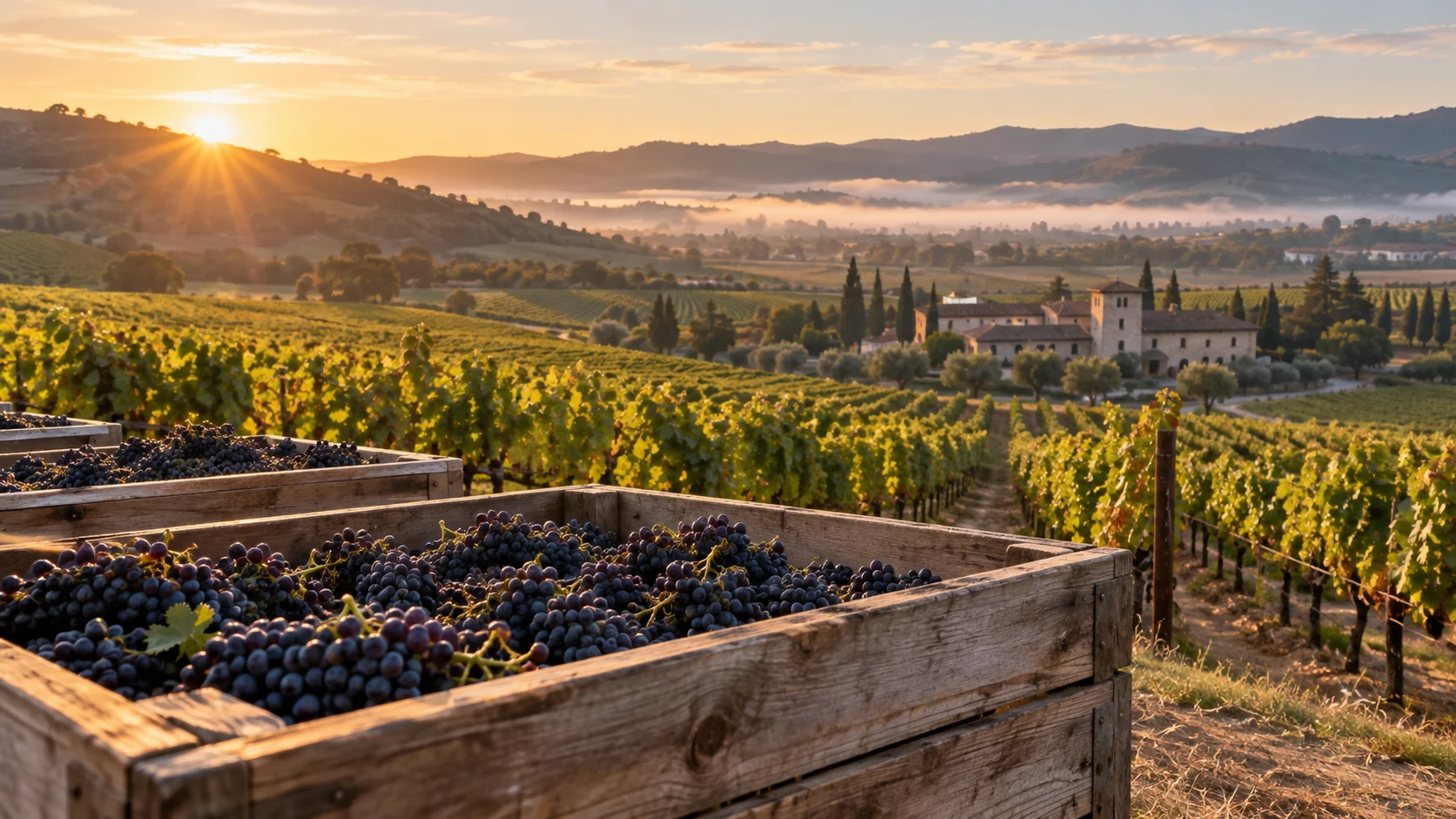
Farms, Vineyards, and California Flavor
Q: Which California city is famously associated with garlic?
A: Gilroy.
Q: Which California valley is world-famous for wine production?
A: Napa Valley.
Q: Which neighboring wine region includes the city of Santa Rosa?
A: Sonoma County.
Q: What nut is California especially famous for growing in the Central Valley?
A: Almonds.
Q: Which green fruit is central to California-style guacamole and toast?
A: The avocado.
Q: Which citrus fruit gave Orange County its name?
A: The orange.
Q: Which berry crop thrives around Watsonville on the Central Coast?
A: Strawberries.
Q: What sourdough bread is closely associated with San Francisco?
A: San Francisco sourdough.
Q: What seafood stew was developed by Italian American fishers in San Francisco?
A: Cioppino.
Q: What chocolate company began in San Francisco during the Gold Rush era?
A: Ghirardelli.
Q: Which hamburger chain opened its first restaurant in Baldwin Park in 1948?
A: In-N-Out Burger.
Q: Which salad was created by restaurateur Caesar Cardini in Tijuana, just south of California?
A: Caesar salad.
Q: What fusion food wraps sushi ingredients inside an avocado-topped roll named for the state?
A: The California roll.
Q: Which California city calls itself the Artichoke Center of the World?
A: Castroville.
Q: What date became a holiday celebrating labor leader César Chávez in California?
A: March 31.
Innovation, Universities, and Sporting Legends
Q: What nickname describes the technology hub in the southern San Francisco Bay Area?
A: Silicon Valley.
Q: Which semiconductor material inspired the name Silicon Valley?
A: Silicon.
Q: Which university in Palo Alto helped foster Silicon Valley's growth?
A: Stanford University.
Q: Which California laboratory manages NASA's robotic planetary missions?
A: Jet Propulsion Laboratory.
Q: What internet protocol researcher at UCLA sent the first ARPANET message in 1969?
A: Charley Kline.
Q: What was the first attempted word sent over ARPANET from UCLA?
A: LOGIN, although the system crashed after the first two letters.
Q: Which company was founded by Steve Jobs, Steve Wozniak, and Ronald Wayne in California?
A: Apple.
Q: Which amusement park did Walt Disney open in 1955?
A: Disneyland.
Q: Which baseball team plays at Dodger Stadium?
A: The Los Angeles Dodgers.
Q: Which NBA team plays its home games in San Francisco?
A: The Golden State Warriors.
Q: Which NFL team plays at Levi's Stadium in Santa Clara?
A: The San Francisco 49ers.
Q: Which NHL team shares its name with an ocean predator and plays in San Jose?
A: The San Jose Sharks.
Q: What annual New Year's Day football game is played in Pasadena?
A: The Rose Bowl.
Q: Which California city hosted the 1932 and 1984 Summer Olympics?
A: Los Angeles.
Q: Which tennis tournament is played each year at Indian Wells?
A: The BNP Paribas Open.
One More Golden State Road Trip
If you crossed the Sierras, survived Death Valley, and still remembered your sourdough, that score shines brighter than a Hollywood marquee. Keep exploring with our Greece trivia or take another trip through culture with our decades trivia.

Ellie Ewert is the founder and author of RandomTrivia.co, blending her passion for research with years of experience in content creation to deliver accurate, engaging, and well-sourced trivia. Dedicated to providing readers with trustworthy and entertaining facts, she applies meticulous fact-checking and SEO expertise to ensure every article meets the highest standards. Read more about our high standards in our Editorial Guidelines.