
Pack your tramping boots and practice your best haka face, because Aotearoa has far more up its sleeve than sheep and spectacular scenery.
These New Zealand trivia questions roam across Māori culture, volcanic landscapes, bold inventions, beloved foods, movie magic, and sporting legends.
Islands, Peaks, and Places
Q: What is the capital of New Zealand?
A: Wellington.
Q: What is New Zealand's largest city by population?
A: Auckland.
Q: What are New Zealand's two main islands called?
A: The North Island and the South Island.
Q: What strait separates the North and South Islands?
A: Cook Strait.
Q: What is the Māori name commonly used for New Zealand?
A: Aotearoa.
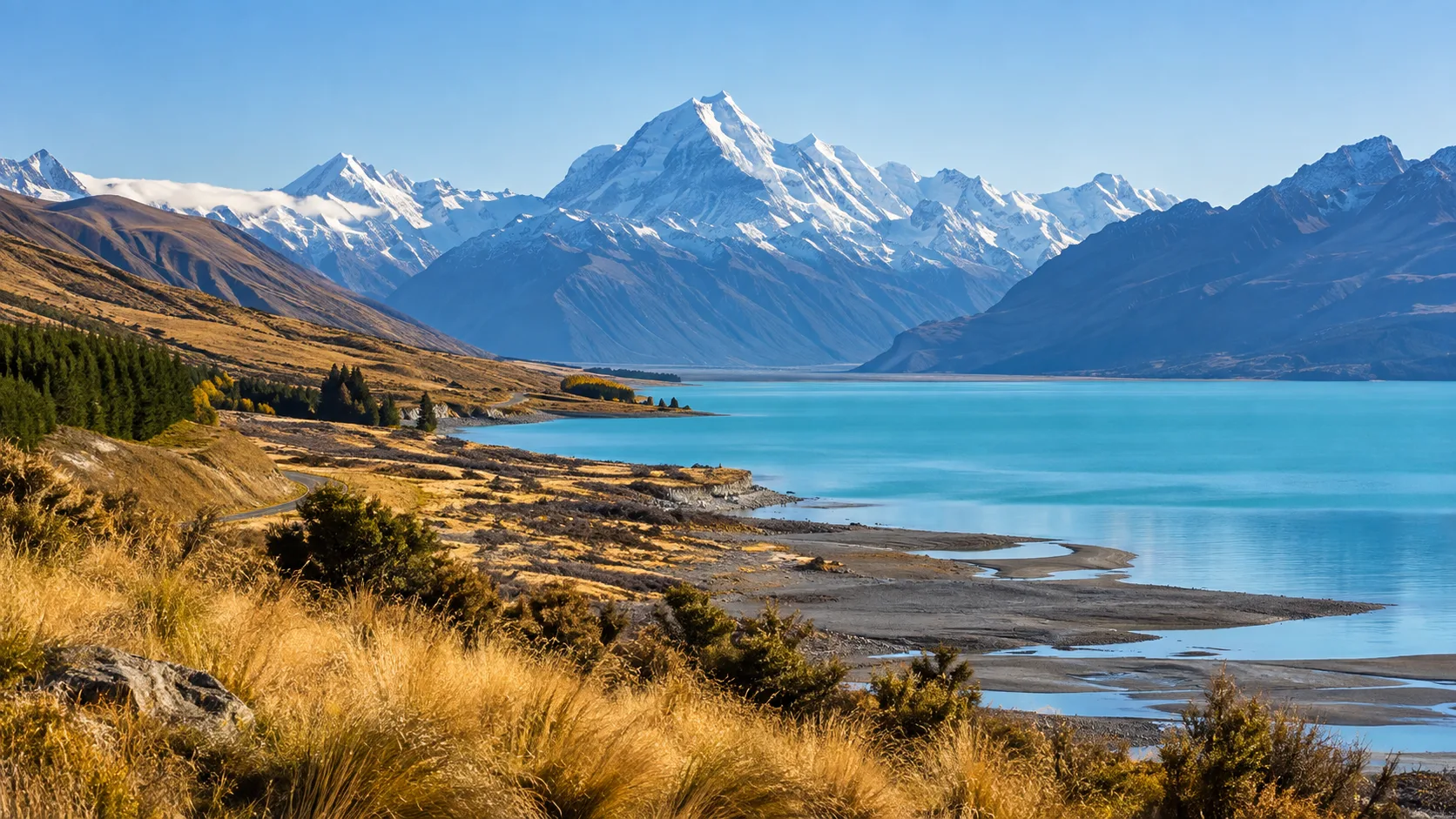
Q: What is New Zealand's highest mountain?
A: Aoraki / Mount Cook.
Q: Which mountain range runs along much of the South Island?
A: The Southern Alps.
Q: What is the country's longest river?
A: The Waikato River.
Q: What is New Zealand's largest lake by surface area?
A: Lake Taupō.
Q: Which city is nicknamed the Garden City?
A: Christchurch.
Q: Which South Island city sits at the head of Otago Harbour?
A: Dunedin.
Q: What is the southernmost of New Zealand's three main populated islands?
A: Stewart Island / Rakiura.
Q: Which bay at the northern tip of the South Island is known for golden beaches?
A: Golden Bay / Mohua.
Q: What sea lies between New Zealand and Australia?
A: The Tasman Sea.
Q: Which cape is famous as the place where the Tasman Sea and Pacific Ocean meet?
A: Cape Reinga / Te Rerenga Wairua.
Volcanoes, Fjords, and Wild Wonders
Q: Which active volcano towers above the Taranaki region?
A: Mount Taranaki.
Q: Which national park contains Mount Tongariro, Mount Ngauruhoe, and Mount Ruapehu?
A: Tongariro National Park.
Q: What geothermal city is famous for geysers and bubbling mud pools?
A: Rotorua.
Q: What is the name of New Zealand's largest active geyser?
A: Pōhutu Geyser.
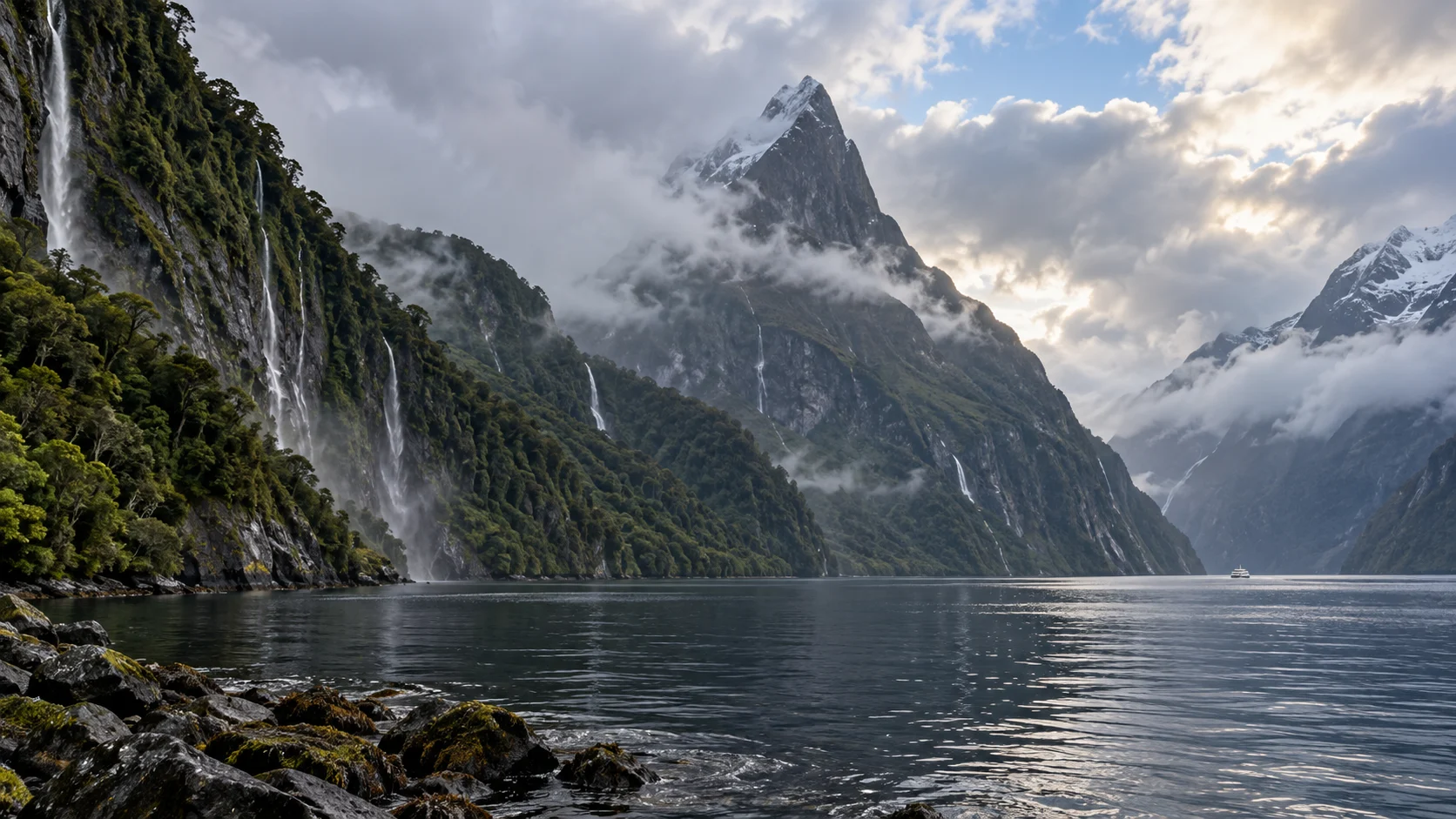
Q: Which Fiordland inlet is often called New Zealand's most famous fiord?
A: Milford Sound / Piopiotahi.
Q: Despite its name, what kind of landform is Milford Sound?
A: A fiord.
Q: Which glacier descends toward rainforest on the South Island's West Coast?
A: Franz Josef Glacier / Kā Roimata o Hine Hukatere.
Q: Which national park is home to the Abel Tasman Coast Track?
A: Abel Tasman National Park.
Q: What limestone caves are known for ceilings lit by glowworms?
A: The Waitomo Caves.
Q: What famous boulders lie on Koekohe Beach in Otago?
A: The Moeraki Boulders.
Q: Which lake is famous for the lone willow tree photographed near Wānaka?
A: Lake Wānaka.
Q: What 2011 natural disaster caused major damage in Christchurch?
A: An earthquake.
Q: Which tectonic plates meet beneath New Zealand?
A: The Pacific and Australian plates.
Q: What is the name of the scenic track that crosses Tongariro's volcanic terrain?
A: The Tongariro Alpine Crossing.
Q: Which West Coast national park includes Pancake Rocks at Punakaiki?
A: Paparoa National Park.
Te Ao Māori
Q: Who are the tangata whenua, or Indigenous people, of New Zealand?
A: Māori.
Q: What is the Māori word for an extended kinship group or tribe?
A: Iwi.
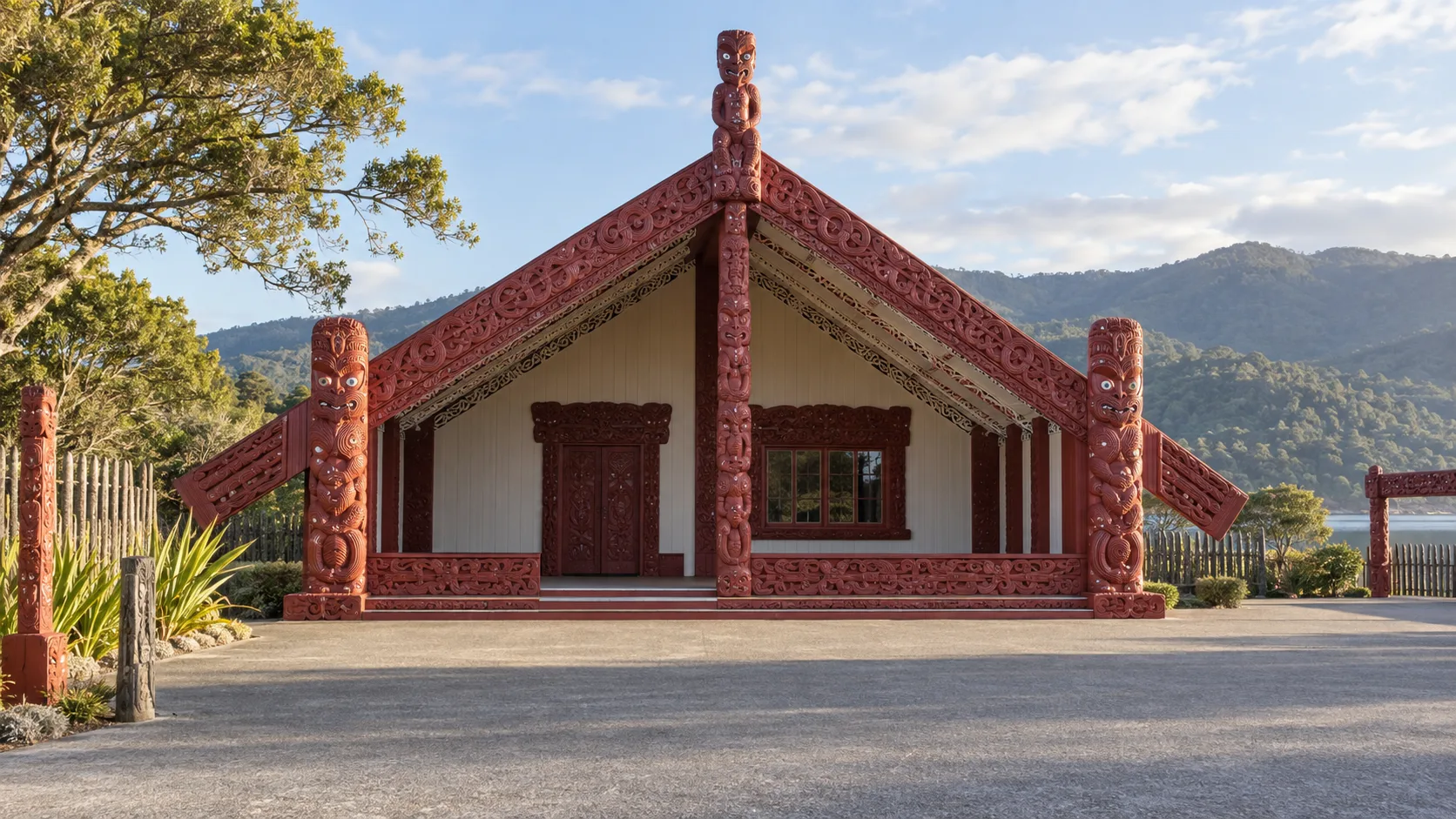
Q: What is a marae?
A: A communal meeting place.
Q: What ceremonial challenge may greet visitors during a pōwhiri?
A: A wero.
Q: What Māori performance is famous worldwide through New Zealand rugby?
A: The haka.
Q: What does kia ora commonly mean?
A: Hello, thanks, or good health.
Q: What Māori word refers to hospitality and caring for guests?
A: Manaakitanga.
Q: What concept describes guardianship and care for the environment?
A: Kaitiakitanga.
Q: What is whakapapa?
A: Genealogy and layers of ancestry.
Q: What carved pendant shaped like a human figure is traditionally made from pounamu?
A: A hei tiki.
Q: What precious greenstone is especially important in Māori culture?
A: Pounamu.
Q: What earth oven is used to cook a traditional hāngī?
A: A pit oven heated with stones.
Q: Who fished up the North Island in Māori tradition?
A: Māui.
Q: What name does Māori tradition give the North Island as Māui's fish?
A: Te Ika-a-Māui.
Q: What is Matariki?
A: The Māori New Year, marked by the Matariki star cluster.
Voyages, Treaty, and Nationhood
Q: Which Polynesian navigator is celebrated in tradition for discovering Aotearoa?
A: Kupe.
Q: Which Dutch explorer became the first known European to sight New Zealand in 1642?
A: Abel Tasman.
Q: Which British navigator mapped much of New Zealand's coastline in 1769 and 1770?
A: James Cook.
Q: What 1840 agreement was signed by representatives of the British Crown and many Māori chiefs?
A: The Treaty of Waitangi.
Q: On what date is Waitangi Day observed?
A: February 6.
Q: In which settlement was the Treaty of Waitangi first signed?
A: Waitangi.
Q: What name is given to the 19th-century conflicts involving Crown forces, settlers, and Māori groups?
A: The New Zealand Wars.
Q: Which settlement served as New Zealand's first capital?
A: Okiato, briefly renamed Russell.
Q: Which city became the capital in 1865?
A: Wellington.
Q: In what year did New Zealand become the first self-governing country to grant women the parliamentary vote?
A: 1893.
Q: Which suffragist appears on New Zealand's ten-dollar note?
A: Kate Sheppard.
Q: What status within the British Empire did New Zealand gain in 1907?
A: Dominion status.
Q: What military acronym links New Zealand and Australian soldiers who served together?
A: ANZAC.
Q: On what date is Anzac Day commemorated?
A: April 25.
Q: What 1987 law made New Zealand a nuclear-free zone?
A: The New Zealand Nuclear Free Zone, Disarmament, and Arms Control Act.
Kiwis, Kākāpō, and Other Locals
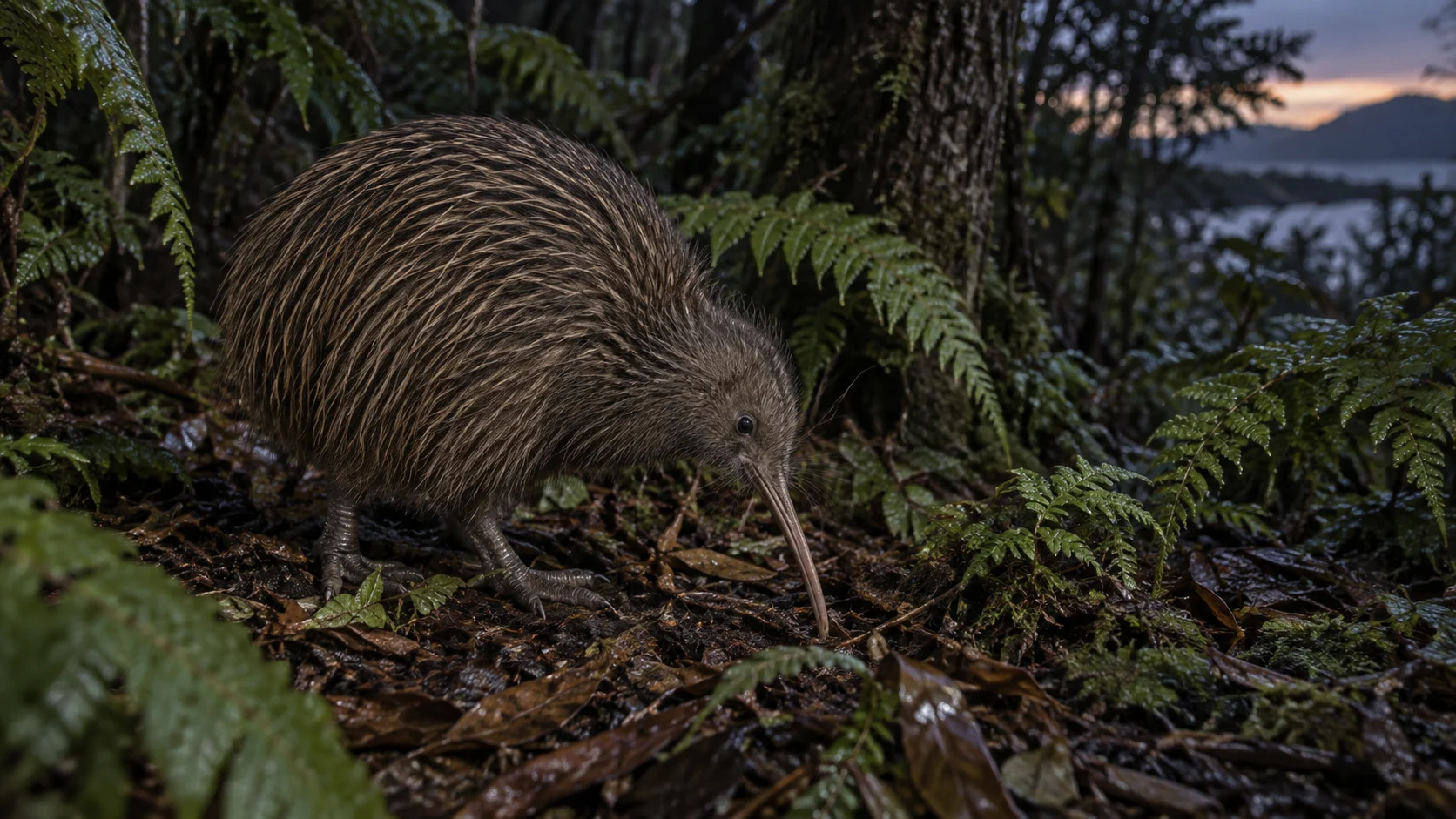
Q: What flightless bird lends New Zealanders their common nickname?
A: The kiwi.
Q: How many native land mammal species did New Zealand originally have?
A: Two, both bats.
Q: What rare, flightless parrot is active at night?
A: The kākāpō.
Q: Which cheeky alpine parrot is known for curiosity and problem-solving?
A: The kea.
Q: What reptile is the sole survivor of an ancient order called Rhynchocephalia?
A: The tuatara.
Q: What giant extinct bird once roamed New Zealand?
A: The moa.
Q: Which extinct eagle preyed on moa?
A: Haast's eagle.
Q: What endangered dolphin is found only around New Zealand's coast?
A: Hector's dolphin.
Q: What is the especially rare North Island subspecies of Hector's dolphin?
A: Māui dolphin.
Q: Which flightless bird is also called the South Island takahē?
A: The takahē.
Q: What songbird is known for white throat tufts and complex calls?
A: The tūī.
Q: Which silver-backed plant appears on many New Zealand sports uniforms?
A: The silver fern.
Q: What towering native tree is sacred to Māori and found mainly in the north?
A: Kauri.
Q: What invasive Australian marsupial is controlled to protect native forests and birds?
A: The common brushtail possum.
Q: What marine mammal colony is a popular attraction near Kaikōura?
A: New Zealand fur seals.
Books, Screens, and Kiwi Creativity
Q: Which New Zealand director made The Lord of the Rings film trilogy?
A: Peter Jackson.
Q: What Waikato movie set became a permanent visitor attraction after The Hobbit films?
A: Hobbiton.
Q: Which New Zealand filmmaker directed The Piano?
A: Jane Campion.
Q: Which New Zealand filmmaker directed Jojo Rabbit and Thor: Ragnarok?
A: Taika Waititi.
Q: Which singer from Auckland released the album Pure Heroine?
A: Lorde.
Q: Which comedy duo created the TV series Flight of the Conchords?
A: Jemaine Clement and Bret McKenzie.
Q: Which actor from New Zealand played Xena: Warrior Princess?
A: Lucy Lawless.
Q: Which Wellington-born actor played Éomer in The Lord of the Rings?
A: Karl Urban.
Q: Which author wrote the Booker Prize-winning novel The Luminaries?
A: Eleanor Catton.
Q: Which New Zealand writer wrote the novel The Bone People?
A: Keri Hulme.
Q: Which short-story writer was born Kathleen Beauchamp in Wellington?
A: Katherine Mansfield.
Q: What long-running New Zealand soap opera is set at Shortland Street Hospital?
A: Shortland Street.
Q: Which animated comedy series follows the Māori boy Vale and his brother Valea?
A: bro'Town.
Q: Which 1994 film based on an Alan Duff novel follows the Heke family?
A: Once Were Warriors.
Q: What wearable-art competition began in Nelson before moving to Wellington?
A: World of WearableArt.
Ingenious Ideas and Everyday Icons
Q: Which New Zealander is credited with making the first controllable powered flight in the Southern Hemisphere?
A: Richard Pearse.
Q: Which physicist born near Nelson pioneered the nuclear model of the atom?
A: Ernest Rutherford.
Q: Which New Zealander and Tenzing Norgay first reached Mount Everest's summit in 1953?
A: Edmund Hillary.
Q: Which New Zealand pharmacist developed the disposable syringe?
A: Colin Murdoch.
Q: What water-propelled boat did William Hamilton help pioneer?
A: The jet boat.
Q: Which New Zealand company created the bungy operation at Kawarau Bridge?
A: AJ Hackett Bungy.
Q: What New Zealand adventure activity sends riders downhill inside a large transparent sphere?
A: Zorbing.
Q: What currency has been used in New Zealand since 1967?
A: The New Zealand dollar.
Q: What bird appears on New Zealand's one-dollar coin?
A: A kiwi.
Q: What is the name of New Zealand's national museum in Wellington?
A: Te Papa Tongarewa.
Q: What Wellington building is nicknamed the Beehive?
A: The Executive Wing of Parliament.
Q: Which national day celebrates the reigning monarch's official birthday in New Zealand?
A: King's Birthday.
Q: What word do New Zealanders commonly use for a hiking trip?
A: Tramping.
Q: What is a bach in New Zealand English?
A: A small holiday home.
Q: Which side of the road do New Zealanders drive on?
A: The left.
Sweet Treats and Sporting Feats
Q: What meringue dessert is named after ballerina Anna Pavlova?
A: Pavlova.
Q: What chocolate-covered biscuit has a marshmallow center and a memorable New Zealand jingle?
A: MallowPuffs.
Q: What ice cream flavor combines vanilla with honeycomb toffee pieces?
A: Hokey pokey.
Q: What savory spread made from yeast extract is a New Zealand pantry staple?
A: Marmite.
Q: What green fruit was once marketed overseas as the Chinese gooseberry?
A: Kiwifruit.
Q: What shellfish called pāua is prized for both its meat and iridescent shell?
A: Abalone.
Q: What small fish is commonly made into fritters in New Zealand?
A: Whitebait.
Q: What is the nickname of New Zealand's men's national rugby union team?
A: The All Blacks.
Q: What is the nickname of the women's national rugby union team?
A: The Black Ferns.
Q: Which sport uses the Bledisloe Cup in matches between New Zealand and Australia?
A: Rugby union.
Q: What is the nickname of New Zealand's national netball team?
A: The Silver Ferns.
Q: What is the nickname of the men's national cricket team?
A: The Black Caps.
Q: Which New Zealand runner became the first person to run a mile in under 3 minutes 50 seconds?
A: John Walker.
Q: Which yachtsman led Team New Zealand to America's Cup victory in 1995?
A: Peter Blake.
Q: Which city hosted the 1950 and 1990 Commonwealth Games?
A: Auckland.
Good as Gold
Whether you aced the wildlife or found your footing in the Southern Alps, that was a grand tour of Aotearoa. Keep circling the globe with our Greece trivia, or swap scenery for stars in famous people trivia.

Ellie Ewert is the founder and author of RandomTrivia.co, blending her passion for research with years of experience in content creation to deliver accurate, engaging, and well-sourced trivia. Dedicated to providing readers with trustworthy and entertaining facts, she applies meticulous fact-checking and SEO expertise to ensure every article meets the highest standards. Read more about our high standards in our Editorial Guidelines.