
Brazil is the kind of country that makes a 120-question list feel suspiciously short. I kept stopping for another river, inventor, rhythm, snack, athlete, or historical turn, so this set travels well beyond the usual Carnival-and-soccer shortcut.
Map, States, Cities & Natural Wonders
Q: What is Brazil’s official name?
A: The Federative Republic of Brazil.
Q: What is the capital of Brazil?
A: Brasília.
Q: Which city was Brazil’s capital immediately before Brasília?
A: Rio de Janeiro.
Q: In what year did Brasília become the capital?
A: 1960.
Q: What is Brazil’s largest city by population?
A: São Paulo.
Q: What is Brazil’s official language?
A: Portuguese.
Q: What is Brazil’s currency?
A: The Brazilian real.
Q: What is Brazil’s internet country code?
A: .br.
Q: How many states make up Brazil?
A: Twenty-six.
Q: What additional federal unit contains the capital?
A: The Federal District.
Q: Which continent contains Brazil?
A: South America.
Q: How many South American countries border Brazil?
A: Ten.
Q: Which two South American sovereign countries do not border Brazil?
A: Chile and Ecuador.
Q: Which ocean borders Brazil?
A: The Atlantic Ocean.
Q: Which imaginary line crosses northern Brazil?
A: The equator.
Q: Which major line of latitude crosses southern Brazil?
A: The Tropic of Capricorn.
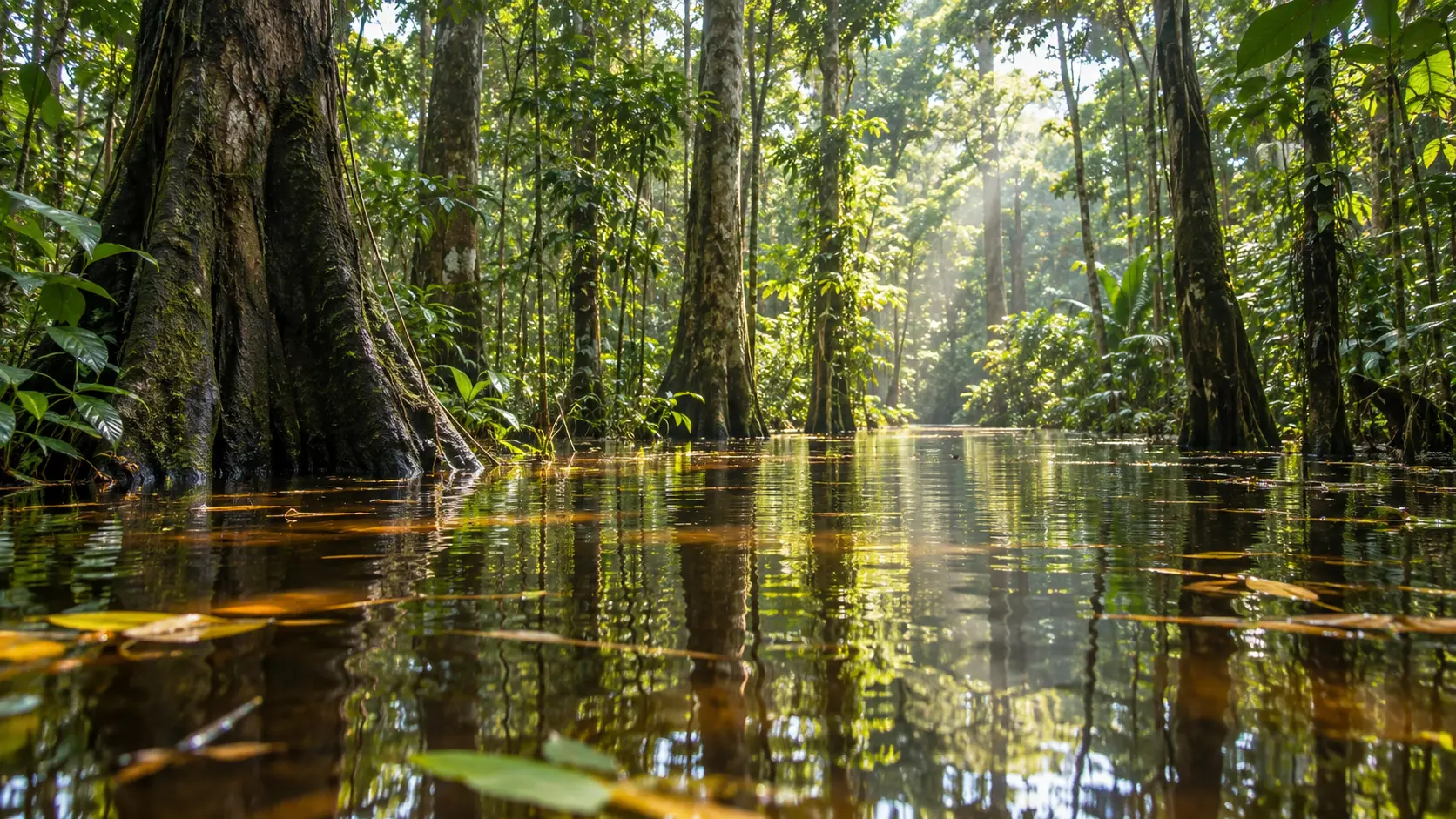
Q: Which river carries more water than any other on Earth?
A: The Amazon River.
Q: Which Brazilian city sits near the Meeting of Waters?
A: Manaus.
Q: Which two rivers form the famous Meeting of Waters near Manaus?
A: The dark Rio Negro and the sediment-rich Solimoes.
Q: What is Brazil’s highest mountain?
A: Pico da Neblina.
Q: Which enormous wetland covers parts of western Brazil?
A: The Pantanal.
Q: What tropical savanna covers much of central Brazil?
A: The Cerrado.
Q: What coastal forest biome once covered much of southeastern Brazil?
A: The Atlantic Forest, or Mata Atlantica.
Q: What semiarid biome dominates part of northeastern Brazil?
A: The Caatinga.
Q: What grassland biome lies in far southern Brazil?
A: The Pampa.
Q: Which waterfall system lies on Brazil’s border with Argentina?
A: Iguazu Falls.
Q: Which Brazilian state contains the Brazilian side of Iguazu Falls?
A: Paraná.
Q: What is Brazil’s largest island?
A: Marajó Island.
Q: Which planned city is shaped around a monumental central axis?
A: Brasília.
Q: Which Brazilian state is largest by area?
A: Amazonas.
Indigenous Peoples, Empire, Slavery & Republic
Q: Who lived in Brazil before Portuguese colonization?
A: Hundreds of distinct Indigenous peoples with their own languages and societies.
Q: Which language family includes Guarani and many Brazilian Indigenous languages?
A: Tupi-Guarani.
Q: Which Portuguese navigator reached Brazil in 1500?
A: Pedro Álvares Cabral.
Q: What name did Portuguese colonizers derive from a valuable red dyewood?
A: Brazil, from pau-brasil or brazilwood.
Q: Which treaty placed much of present-day Brazil in Portugal’s claimed zone?
A: The Treaty of Tordesillas.
Q: What crop dominated much early colonial plantation agriculture?
A: Sugarcane.
Q: Which forced labor system brought millions of Africans to Brazil?
A: The transatlantic slave trade and chattel slavery.
Q: Which country received more enslaved Africans than any other in the Americas?
A: Brazil.
Q: What inland expeditions searched for wealth and captured Indigenous people?
A: Bandeiras, led by bandeirantes.
Q: Which mineral drove an eighteenth-century boom in Minas Gerais?
A: Gold.
Q: Which colonial city is known for baroque churches and steep streets?
A: Ouro Preto.
Q: Why did the Portuguese royal court move to Rio de Janeiro in 1808?
A: Napoleon’s forces invaded Portugal.
Q: Who declared Brazil independent in 1822?
A: Pedro, who became Emperor Pedro I.
Q: On what date is Brazilian Independence Day?
A: September 7.
Q: What type of government did independent Brazil initially have?
A: A constitutional monarchy, commonly called the Empire of Brazil.
Q: Who was Brazil’s second and final emperor?
A: Pedro II.
Q: What 1888 law abolished slavery in Brazil?
A: The Golden Law, or Lei Áurea.
Q: Who signed the Golden Law?
A: Princess Isabel.
Q: When did Brazil become a republic?
A: 1889.
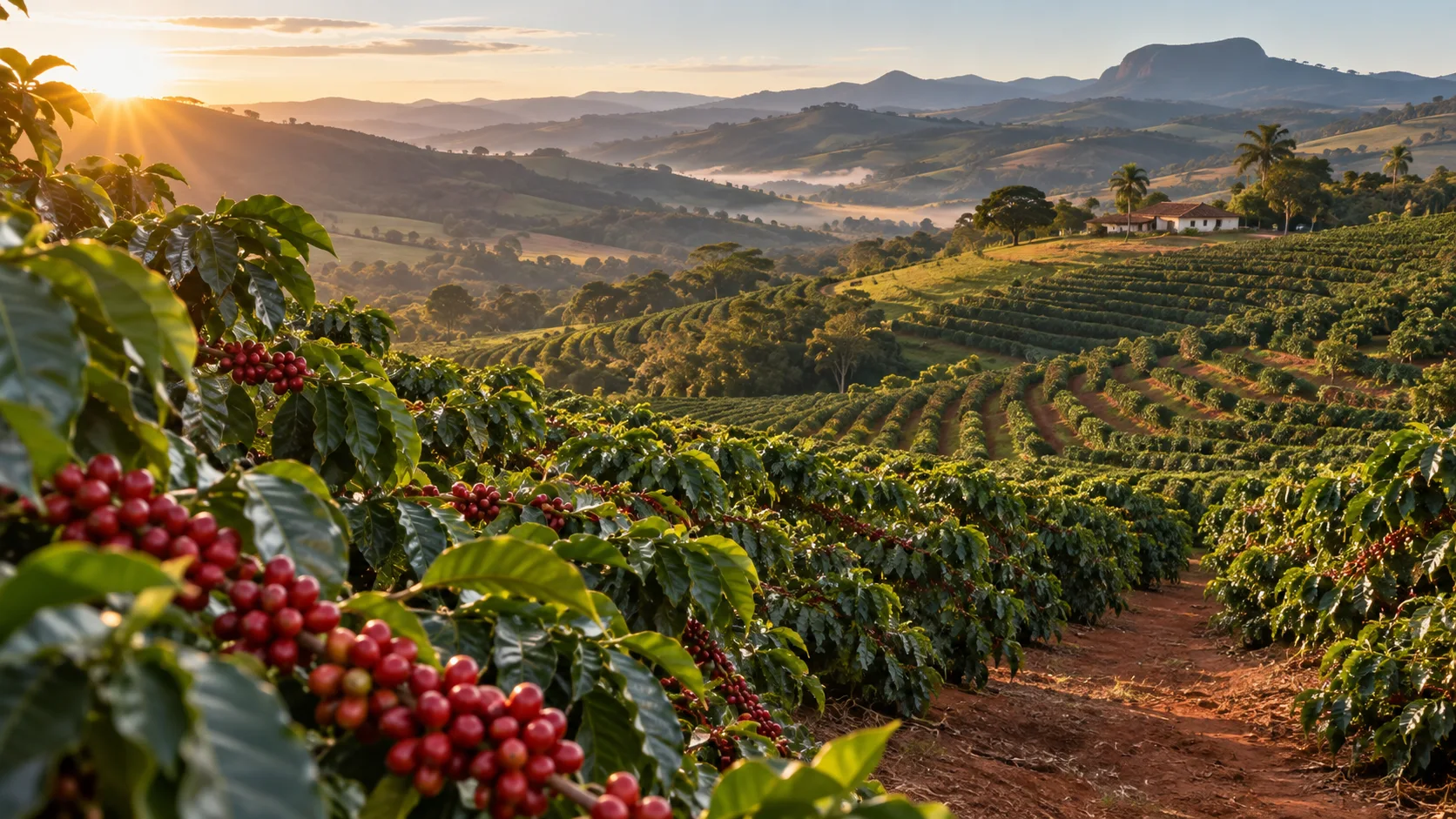
Q: What crop fueled São Paulo’s growth in the nineteenth and early twentieth centuries?
A: Coffee.
Q: What community founded the settlement known as Quilombo dos Palmares?
A: People who escaped slavery and their descendants, alongside other residents.
Q: Who became the best-known leader of Palmares?
A: Zumbi.
Q: What is commemorated on Black Consciousness Day?
A: Afro-Brazilian history, resistance, culture, and the legacy of Zumbi.
Q: Which populist leader governed Brazil during parts of the 1930s, 1940s, and 1950s?
A: Getulio Vargas.
Q: Which president made construction of Brasília a central project?
A: Juscelino Kubitschek.
Q: When did Brazil’s military dictatorship begin?
A: 1964.
Q: When did civilian government return after military rule?
A: 1985.
Q: What constitution established Brazil’s current democratic framework?
A: The 1988 Constitution.
Q: What campaign demanded direct presidential elections in the 1980s?
A: Diretas Já.
Q: Why is Brazil’s history not accurately described as only Portuguese?
A: Indigenous, African, European, Asian, Middle Eastern, and many mixed communities shaped the country.
Food, Festivals, Faith & Regional Traditions
Q: What bean-and-meat stew is strongly associated with Brazilian cuisine?
A: Feijoada.
Q: What cheese bread is called pão de queijo?
A: Small baked rolls made with cheese and cassava starch.
Q: What chocolate sweet is rolled into small balls and covered with sprinkles?
A: Brigadeiro.
Q: What fried dough snack is filled with shredded chicken?
A: Coxinha.
Q: What street food is a deep-fried black-eyed-pea fritter often filled with shrimp?
A: Acarajé.
Q: Which Brazilian state is especially associated with acarajé?
A: Bahia.
Q: What toasted cassava flour mixture accompanies many meals?
A: Farofa.
Q: What Amazonian berry is used in bowls and drinks?
A: Açaí.
Q: How is savory açaí commonly served in parts of northern Brazil?
A: With foods such as fish, shrimp, or cassava flour rather than as a sweet bowl.
Q: What fish stew is cooked with regional combinations of coconut milk, tomatoes, peppers, or palm oil?
A: Moqueca.
Q: Which two states are famous for distinct styles of moqueca?
A: Bahia and Espírito Santo.
Q: What cut of beef gives churrascarias one of their signature dishes?
A: Picanha.
Q: What cocktail combines cachaça, lime, sugar, and ice?
A: Caipirinha.
Q: What spirit is distilled from fermented sugarcane juice?
A: Cachaça.
Q: What is Brazilian Carnival’s relationship to Lent?
A: It is celebrated before the Christian Lenten season.
Q: What are Rio’s large Carnival performance organizations called?
A: Samba schools.
Q: Where do Rio’s top samba schools parade?
A: The Sambadrome Marquês de Sapucaí.
Q: What fast-paced music and dance define Recife and Olinda Carnival?
A: Frevo.
Q: What northeastern Carnival style features large groups, percussion, and Afro-Brazilian identity?
A: Maracatu.
Q: What June festival honors saints including Anthony, John, and Peter?
A: Festa Junina.
Q: What dance is commonly performed at Festa Junina?
A: Quadrilha.
Q: What massive religious procession is held in Belem?
A: Círio de Nazaré.
Q: What Afro-Brazilian religion developed especially in Bahia?
A: Candomblé.
Q: What Afro-Brazilian religion blends spirit mediumship with several religious traditions?
A: Umbanda.
Q: What martial art combines movement, music, ritual, and combat?
A: Capoeira.
Q: What single-string musical bow accompanies capoeira?
A: The berimbau.
Q: What does jeitinho brasileiro broadly describe?
A: An informal, creative way of navigating rules or obstacles, used positively or critically depending on context.
Q: Why can no single festival or dish represent all of Brazil?
A: The country’s regions have distinct climates, histories, peoples, ingredients, and traditions.
Q: Which Afro-Brazilian genre became a national symbol and Carnival foundation?
A: Samba.
Q: Which city became central to the development of urban samba?
A: Rio de Janeiro.
Music, Literature, Landmarks, Soccer & Famous Brazilians
Q: What Bahian circle tradition helped shape samba?
A: Samba de roda.
Q: What 1950s style joined samba rhythms with intimate vocals and jazz-influenced harmony?
A: Bossa nova.
Q: Who composed The Girl from Ipanema with Vinicius de Moraes?
A: Antônio Carlos Jobim.
Q: Which singer and guitarist helped define the bossa nova sound?
A: João Gilberto.
Q: What does MPB stand for?
A: Música Popular Brasileira.
Q: Which singer recorded Águas de Março with Antônio Carlos Jobim?
A: Elis Regina.
Q: Which Brazilian musician wrote and recorded Aquele Abraco?
A: Gilberto Gil.
Q: Which movement mixed Brazilian and international influences in the late 1960s?
A: Tropicalia.
Q: Which northeastern dance music is strongly associated with accordion?
A: Forro.
Q: Which Brazilian novelist wrote The Posthumous Memoirs of Bras Cubas?
A: Machado de Assis.
Q: Which author wrote The Alchemist?
A: Paulo Coelho.
Q: Which novelist wrote Dona Flor and Her Two Husbands?
A: Jorge Amado.
Q: Which modernist architect designed many civic buildings in Brasília?
A: Oscar Niemeyer.
Q: Which urban planner created Brasília’s Pilot Plan?
A: Lúcio Costa.
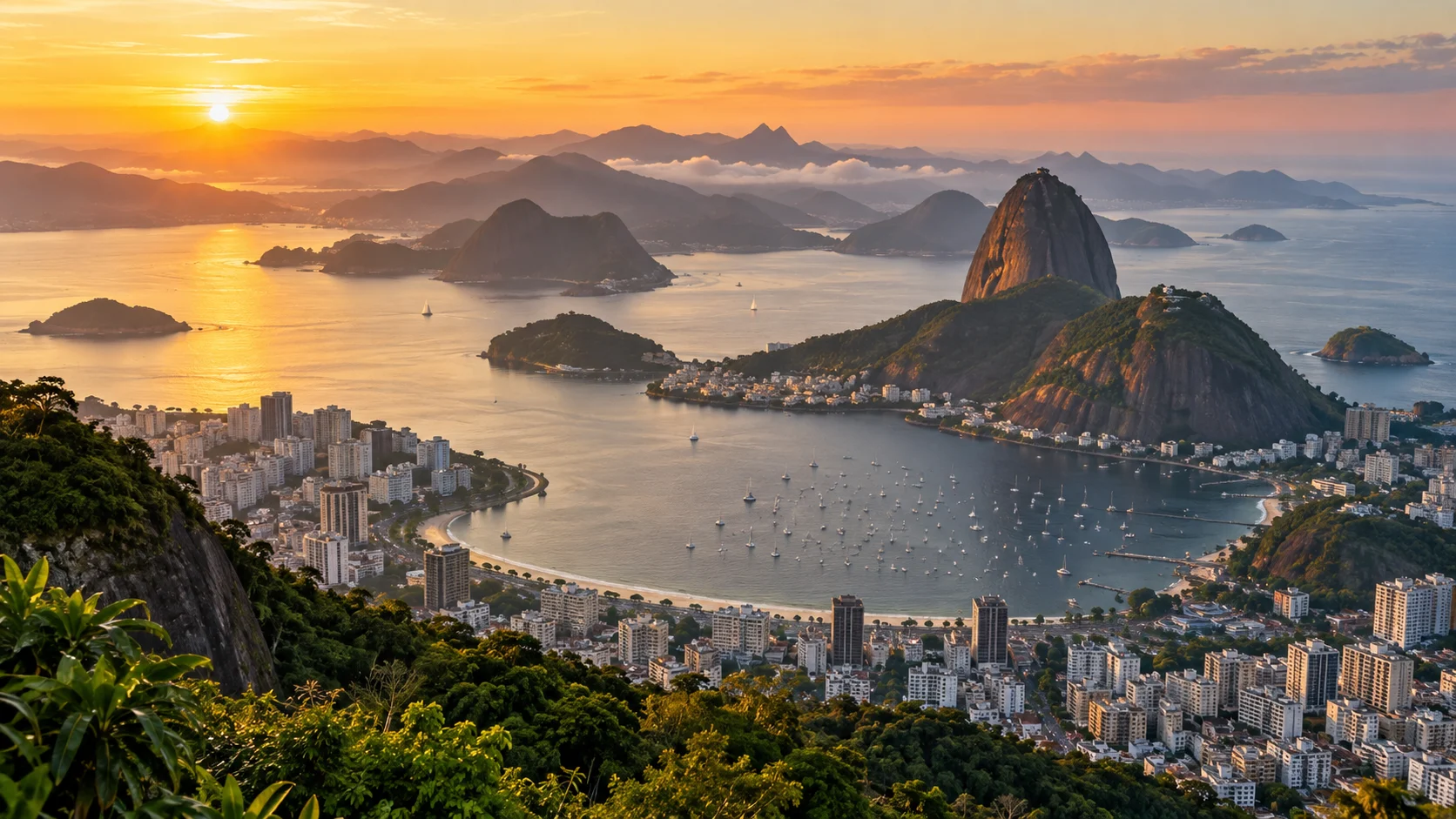
Q: What giant statue stands on Corcovado Mountain?
A: Christ the Redeemer.
Q: Which Rio mountain is reached by a famous cable car?
A: Sugarloaf Mountain.
Q: Which São Paulo art museum is known by the acronym MASP?
A: The São Paulo Museum of Art.
Q: Which theater symbolizes Manaus’s rubber-boom wealth?
A: Teatro Amazonas.
Q: What nickname is commonly used for Brazil’s men’s national soccer team?
A: The Seleção.
Q: How many men’s FIFA World Cups has Brazil won?
A: Five.
Q: Which player was born Edson Arantes do Nascimento?
A: Pelé.
Q: Which Brazilian player was nicknamed O Fenômeno?
A: Ronaldo Nazário.
Q: Which Brazilian forward won the 2002 World Cup Golden Boot?
A: Ronaldo.
Q: Which Brazilian player was famous for a broad smile and exceptional creativity?
A: Ronaldinho.
Q: Which driver won three Formula One world championships before his death in 1994?
A: Ayrton Senna.
Q: Which volleyball discipline has brought Brazil major Olympic success on sand?
A: Beach volleyball.
Q: Which Brazilian judoka won Olympic gold in 2012?
A: Sarah Menezes.
Q: Which Brazilian gymnast won Olympic vault gold in 2020?
A: Rebeca Andrade.
Q: Which Brazilian surfer became the country’s first Olympic surfing champion?
A: Ítalo Ferreira.
Q: Which scientist pioneered aviation experiments with the 14-bis?
A: Alberto Santos-Dumont.
How Did You Score?
If the Cerrado, Lei Áurea, acarajé, berimbau, Tropicalia, and Ayrton Senna all landed cleanly, your Brazil trivia has real range. I am celebrating with pão de queijo and refusing to pretend one piece is a serving.

Ellie Simons creates and edits Random Trivia. She researches trivia using primary and authoritative sources whenever possible and is currently reviewing the site's older trivia library for accuracy, clarity, and playability. Read more on the About page.
About this quiz
Site editor: Ellie Simons. Read our Trivia Methodology to learn how questions are researched and updated. Page last updated: . Report an error.