
Bracket busted already? Perfect. These 118 March Madness trivia questions cover Selection Sunday, seeds, the First Four, Final Four history, Cinderella runs, legendary coaches, buzzer-beaters, national champions, 16-over-1 shocks, tournament records, and the women’s NCAA tournament too.
The first round is a layup. The final one feels more like a contested three at the horn.
Why March Madness Makes Great Trivia
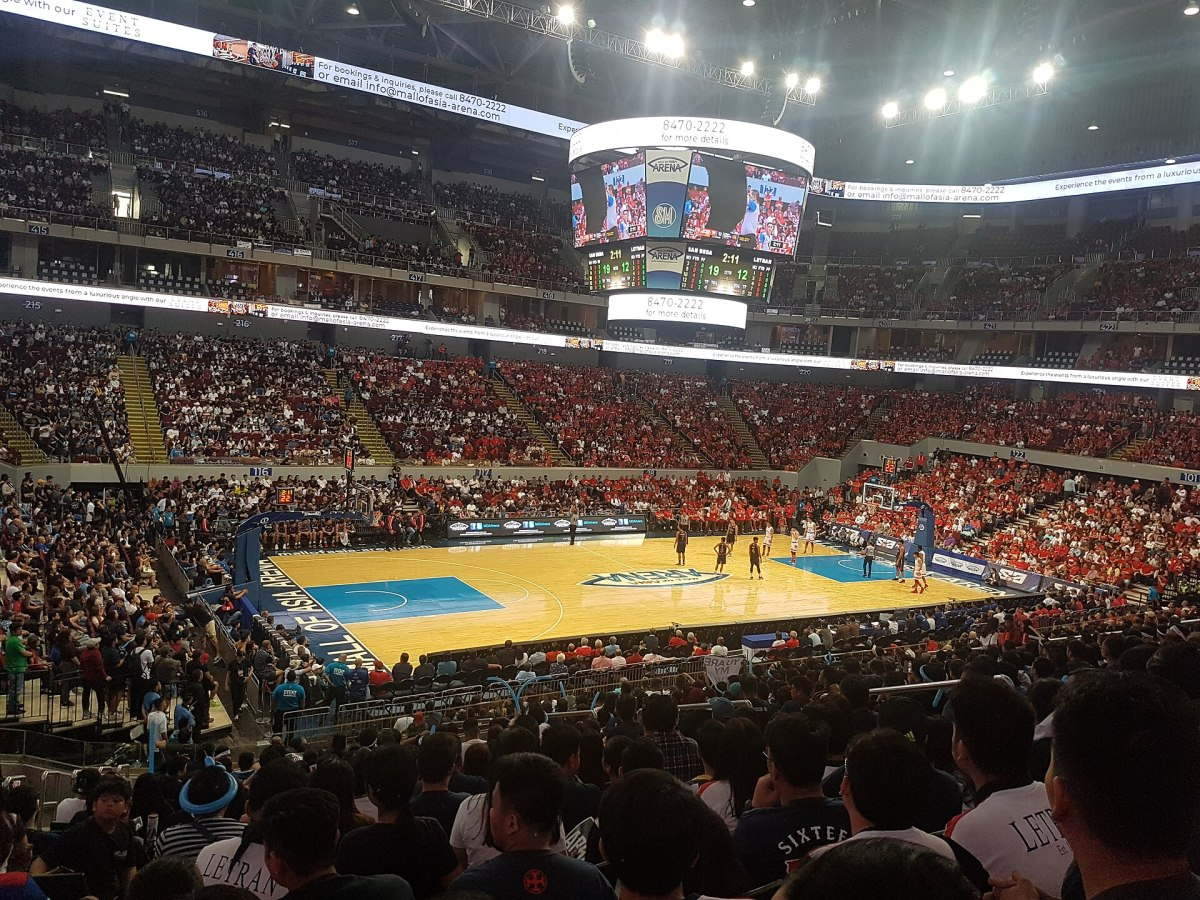
The NCAA basketball tournament turns a huge season into a single-elimination sprint where one cold shooting night can erase a favorite and one fearless underdog can become famous for decades. The men’s tournament began in 1939, and the modern field contains 68 teams competing through the First Four and six main rounds.
Tournament history and bracket structure here are checked against NCAA records. Keep shooting with our college trivia, sports trivia, and NBA trivia.
March Madness Basics & Bracket Structure
Q: What sport is March Madness associated with?
A: College basketball.
Q: What organization runs the NCAA Division I basketball tournaments?
A: The National Collegiate Athletic Association.
Q: What does NCAA stand for?
A: National Collegiate Athletic Association.
Q: How many teams are in the modern NCAA Division I men’s tournament field?
A: 68.
Q: What event reveals the NCAA tournament bracket?
A: Selection Sunday.
Q: What does a seed represent?
A: A team’s placement within a regional bracket based on the selection committee’s evaluation.
Q: What is the highest seed in each region?
A: No. 1.
Q: What is the lowest standard seed number in a region?
A: No. 16.
Q: What is the First Four?
A: Four opening games played by eight teams to complete the 64-team main bracket.
Q: Where is the First Four traditionally played?
A: Dayton, Ohio.
Q: What is the Sweet 16?
A: The round with 16 teams remaining.
Q: What is the Elite Eight?
A: The round with eight teams remaining.
Q: What is the Final Four?
A: The national semifinals featuring the final four teams.
Q: How many games must a team in the main 64-team bracket win to become national champion?
A: Six.
Q: Why can a First Four team need seven tournament wins to become champion?
A: It must win an additional opening game before entering the round of 64.
The First NCAA Tournaments & Early History
Q: In what year was the first NCAA men’s basketball tournament played?
A: 1939.
Q: How many teams played in the first NCAA tournament?
A: Eight.
Q: Which school won the first NCAA men’s tournament?
A: Oregon.
Q: Who did Oregon defeat in the 1939 championship game?
A: Ohio State.
Q: What nickname did Oregon’s 1939 championship team carry?
A: The Tall Firs.
Q: Was the NCAA tournament immediately the only major postseason college basketball tournament?
A: No. The National Invitation Tournament, or NIT, was also highly prestigious, especially in the early decades.
Q: In what city has the NIT traditionally been strongly associated?
A: New York City.
Q: What venue became historically associated with the NIT?
A: Madison Square Garden.
Q: What did the NCAA tournament eventually become?
A: The recognized championship tournament for NCAA Division I basketball.
Q: When did the men’s tournament expand to 64 teams?
A: 1985.
Q: Why was 64 a convenient bracket size?
A: It creates six clean rounds of single-elimination play with powers of two.
Q: When did the men’s field first expand to 65 teams?
A: 2001.
Q: When did the modern 68-team men’s field begin?
A: 2011.
Q: What four-region structure is used in the modern men’s bracket?
A: Teams are divided among four regional brackets, each ultimately sending a winner to the Final Four.
Q: Why did tournament expansion increase March Madness’s cultural reach?
A: More schools, conferences, fan bases, and upset opportunities became part of a nationally televised single-elimination event.
Legendary Champions, Coaches & Programs
Q: Which program has won the most NCAA men’s basketball championships historically?
A: UCLA.
Q: Which legendary coach led UCLA through its greatest championship dynasty?
A: John Wooden.
Q: How many NCAA men’s championships did John Wooden win as UCLA head coach?
A: Ten.
Q: What incredible championship streak did UCLA produce from 1967 through 1973?
A: Seven consecutive national titles.
Q: What player starred for UCLA under the name Lew Alcindor before becoming Kareem Abdul-Jabbar?
A: Kareem Abdul-Jabbar.
Q: Which UCLA center followed Alcindor and won championships before becoming a famous NBA star and broadcaster?
A: Bill Walton.
Q: Which Duke coach became the winningest men’s Division I coach of his era and won five NCAA titles?
A: Mike Krzyzewski.
Q: What nickname is Mike Krzyzewski commonly known by?
A: Coach K.
Q: Which North Carolina coach won national titles in 1982 and 1993?
A: Dean Smith.
Q: Which coach won three men’s national titles at North Carolina in 2005, 2009, and 2017?
A: Roy Williams.
Q: Which Connecticut men’s coach won national titles in 1999, 2004, and 2011?
A: Jim Calhoun.
Q: Which Villanova coach won national titles in 2016 and 2018?
A: Jay Wright.
Q: Which Kentucky coach won the 1996 championship with a roster nicknamed the Untouchables?
A: Rick Pitino.
Q: Which Michigan State coach won the 2000 national championship?
A: Tom Izzo.
Q: Why do program-title totals need occasional updating?
A: Active programs can win additional championships, so current all-time rankings should be checked before publication or future revision.
Cinderella Teams & Famous Upsets
Q: What does Cinderella mean in March Madness?
A: A lower-seeded or unexpected team making a surprisingly deep tournament run.
Q: What No. 8 seed shocked Georgetown to win the 1985 national championship?
A: Villanova.
Q: What made Villanova’s 1985 title especially remarkable?
A: It defeated heavily favored Georgetown in one of the tournament’s most famous championship upsets.
Q: Which No. 15 seed defeated No. 2 Georgetown in 2013?
A: Florida Gulf Coast.
Q: What nickname did Florida Gulf Coast earn during that run?
A: Dunk City.
Q: Which No. 11 seed reached the 2006 Final Four?
A: George Mason.
Q: Which No. 11 seed reached the Final Four in 2011 under coach Shaka Smart?
A: VCU.
Q: Which No. 11 seed reached the Final Four in 2021?
A: UCLA.
Q: Which No. 11 seed reached the Final Four in 2024?
A: NC State.
Q: Which No. 15 seed reached the Elite Eight in 2022?
A: Saint Peter’s.
Q: Which No. 15 seed reached the Sweet 16 in 2021?
A: Oral Roberts.
Q: Which No. 15 seed defeated No. 2 Missouri in 2012 and reached the Sweet 16?
A: Norfolk State beat Missouri in the opening round, while fellow No. 15 seed Lehigh upset Duke that same day.
Q: What is a bracket buster?
A: An unexpected result that ruins many predicted brackets.
Q: Why are neutral-site games favorable to Cinderella stories?
A: Lower seeds avoid true road games, and one great performance can erase regular-season differences in a single-elimination format.
Q: What makes a Cinderella run memorable even without a championship?
A: A smaller or lower-seeded program can defeat nationally prominent teams and become part of tournament history within days.
16 Seeds, No. 1 Seeds & Historic Shockers
Q: Before 2018, had a No. 16 seed ever defeated a No. 1 seed in the men’s NCAA tournament?
A: No.
Q: Which team became the first men’s No. 16 seed to defeat a No. 1 seed?
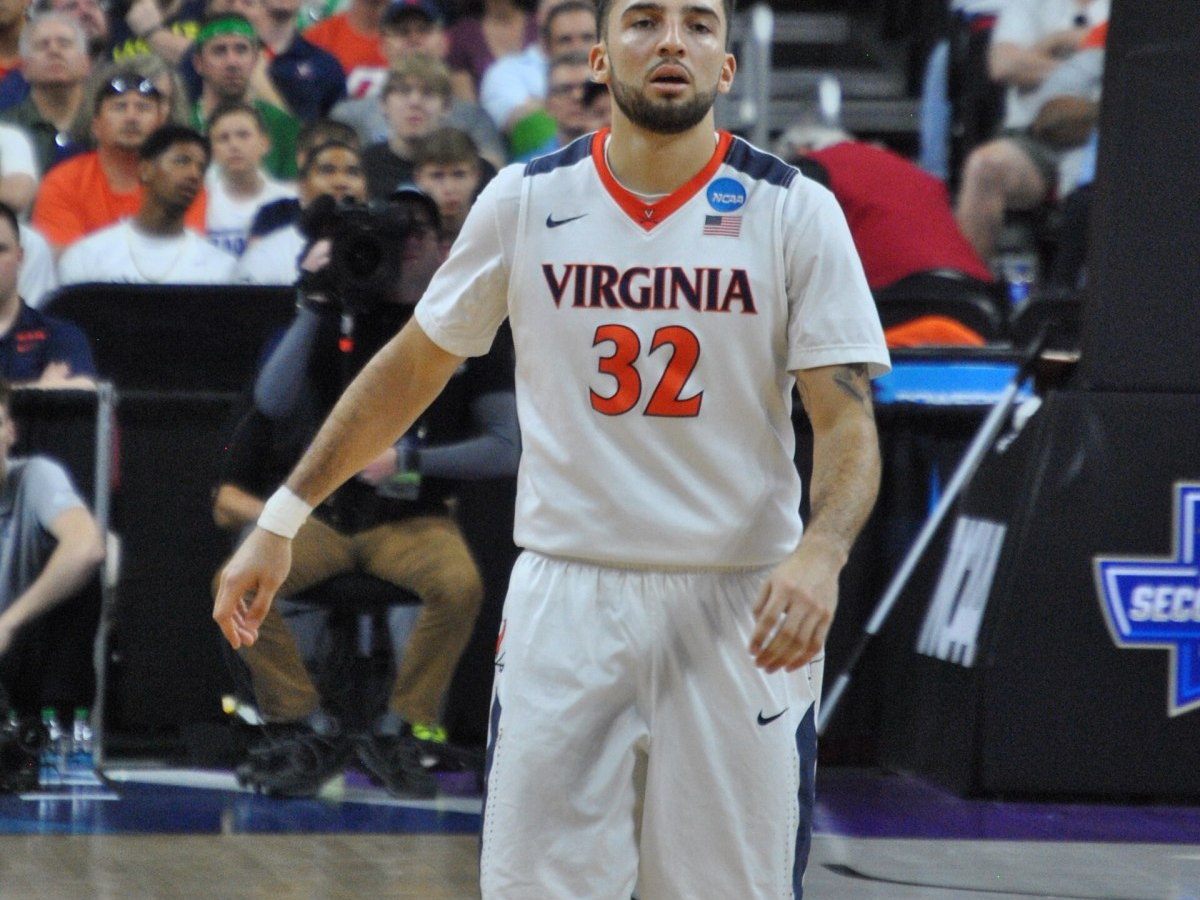
A: UMBC.
Q: What No. 1 seed did UMBC defeat in 2018?
A: Virginia.
Q: What does UMBC stand for?
A: University of Maryland, Baltimore County.
Q: By what score did UMBC defeat Virginia?
A: 74-54.
Q: What made the margin unusual in addition to the seed upset?
A: UMBC won by 20 points rather than escaping with a one-possession shocker.
Q: Which team became the second men’s No. 16 seed to defeat a No. 1 seed?
A: Fairleigh Dickinson.
Q: What No. 1 seed did Fairleigh Dickinson defeat in 2023?
A: Purdue.
Q: Did Virginia respond to its 2018 upset by disappearing from national relevance?
A: No. Virginia won the national championship the very next season, in 2019.
Q: Who coached Virginia to that 2019 redemption title?
A: Tony Bennett.
Q: What seed was Virginia when it won the 2019 championship?
A: No. 1.
Q: What is the theoretical first-round matchup for each No. 1 seed in the main bracket?
A: A No. 16 seed.
Q: Are all No. 1 seeds guaranteed to reach the Final Four?
A: No.
Q: What happened in the 2008 men’s Final Four that was unprecedented?
A: All four No. 1 seeds reached the Final Four.
Q: Why are 1-versus-16 results so famous in bracket culture?
A: The matchup has historically been heavily tilted toward No. 1 seeds, making the rare upsets instantly historic.
Buzzer-Beaters & Iconic Tournament Moments
Q: Who hit the famous 1983 championship-winning dunk for NC State against Houston?
A: Lorenzo Charles.
Q: Who coached NC State’s 1983 championship team?
A: Jim Valvano.
Q: What heavily favored Houston team did NC State defeat?
A: Phi Slama Jama.
Q: Which future NBA stars led Houston’s Phi Slama Jama era?
A: Hakeem Olajuwon and Clyde Drexler were among its most famous players.
Q: Who hit Duke’s famous 1992 overtime buzzer-beater against Kentucky?
A: Christian Laettner.
Q: Who threw the full-court pass to Laettner?
A: Grant Hill.
Q: What did Laettner do before making the winning shot?
A: He caught the pass, dribbled, turned, and hit the jumper at the buzzer.
Q: Which Villanova player hit the championship-winning three-pointer against North Carolina in 2016?
A: Kris Jenkins.
Q: Who passed the ball back to Kris Jenkins on the final play?
A: Ryan Arcidiacono.
Q: What had North Carolina’s Marcus Paige done seconds before Jenkins’s winner?
A: He hit an acrobatic three-pointer to tie the game.
Q: Who hit a famous long-range buzzer-beater for Gonzaga against UCLA in the 2021 Final Four?
A: Jalen Suggs.
Q: What did Suggs’s shot do?
A: It won the overtime semifinal and sent Gonzaga to the championship game.
Q: What does “at the horn” mean?
A: A shot is released just before the game clock expires and the buzzer sounds.
Q: Why are NCAA tournament buzzer-beaters so dramatic?
A: Single elimination means one shot can instantly end one team’s season and permanently define another team’s tournament run.
Q: What makes television replay central to March Madness memory?
A: Famous final shots, celebrations, coaching reactions, and crowd scenes are replayed for years and become part of the tournament’s shared folklore.
Women’s March Madness & NCAA Tournament Milestones
Q: In what year was the first NCAA Division I women’s basketball tournament held?
A: 1982.
Q: Which school won the first NCAA women’s Division I championship?
A: Louisiana Tech.
Q: Which program has dominated much of modern women’s NCAA tournament history under Geno Auriemma?
A: UConn.
Q: Who is UConn’s longtime championship coach?
A: Geno Auriemma.
Q: Which Tennessee coach built one of women’s college basketball’s great dynasties?
A: Pat Summitt.
Q: How many NCAA championships did Pat Summitt win at Tennessee?
A: Eight.
Q: What program did Pat Summitt coach?
A: Tennessee Lady Volunteers.
Q: Which UConn star won four consecutive national championships from 2013 through 2016?
A: Breanna Stewart.
Q: What major branding change occurred beginning with the 2022 women’s NCAA tournament?
A: The NCAA began using March Madness branding for the women’s tournament as well.
Q: How many teams are in the modern women’s Division I tournament field?
A: 68.
Q: Does the women’s tournament also use a First Four?
A: Yes.
Q: What does the women’s Final Four determine?
A: The two teams that advance to the national championship game.
Q: Why did equal March Madness branding matter?
A: It reflected efforts to present and market both Division I championship tournaments more consistently.
Q: What makes women’s tournament records especially important to update carefully?
A: Active programs, coaches, attendance, television audiences, and player milestones continue changing rapidly.
Q: Why should a broad March Madness quiz include women’s history?
A: The phrase now officially encompasses both NCAA Division I tournaments, each with its own champions, dynasties, upsets, and iconic moments.
Hard March Madness Challenge
Q: Who won the first NCAA men’s basketball tournament?
A: Oregon.
Q: How many teams were in the first men’s tournament?
A: Eight.
Q: When did the men’s bracket expand to 64 teams?
A: 1985.
Q: Who was the first men’s No. 16 seed to defeat a No. 1 seed?
A: UMBC in 2018.
Q: Who became the second men’s No. 16 seed to beat a No. 1?
A: Fairleigh Dickinson in 2023.
Q: Which No. 8 seed won the 1985 championship?
A: Villanova.
Q: Who hit NC State’s 1983 championship-winning basket?
A: Lorenzo Charles.
Q: Who hit Duke’s famous 1992 shot against Kentucky?
A: Christian Laettner.
Q: Who hit Villanova’s 2016 championship buzzer-beater?
A: Kris Jenkins.
Q: What year did all four men’s No. 1 seeds reach the Final Four for the first time?
A: 2008.
Q: What school won the first NCAA women’s championship in 1982?
A: Louisiana Tech.
Q: What does Cinderella mean in tournament language?
A: An unexpected lower-seeded team making a deep run.
Q: Why is March Madness especially deep trivia material?
A: Eight decades of champions, changing bracket sizes, bizarre seeds, legendary coaches, tiny schools, dynasties, buzzer-beaters, 16-over-1 shocks, regional traditions, men’s and women’s tournaments, and millions of failed brackets create nearly endless questions.
How Did You Score?
If the Tall Firs, 1985 expansion, UMBC, Phi Slama Jama, Laettner’s shot, Kris Jenkins, the women’s 1982 debut, and the difference between the First Four and Final Four all came easily, your bracket knowledge survived March.
Keep shooting with our college trivia, sports trivia, and NBA trivia.

Ellie Simons creates and edits Random Trivia. She researches trivia using primary and authoritative sources whenever possible and is currently reviewing the site's older trivia library for accuracy, clarity, and playability. Read more on the About page.
About this quiz
Site editor: Ellie Simons. Read our Trivia Methodology to learn how questions are researched and updated. Page last updated: . Report an error.