
From the celestial hymns of the Rigveda to the sweeping dramas of the Ramayana and Mahabharata, Indian mythology is a living tapestry of gods, heroes, demons, and dazzling ideas.
This curated set of mythology trivia questions moves from accessible to challenging, blending history, theology, folklore, and festivals to delight casual quizzers and lore lovers alike.
Why Indian Mythology Makes Great Trivia
Indian mythology stretches across millennia, languages, and regions, offering a rare mix of poetic symbolism and gripping storytelling.
Its characters aren’t just distant deities; they’re archetypes that continue to shape art, ethics, and everyday rituals across South Asia and beyond.
Because the tradition is layered, Vedic hymns, Puranic myths, epic narratives, tantric symbolism, questions can range from friendly icebreakers to deep-cut lore.
That means richer quizzes, livelier debates, and plenty of “aha!” moments whether you’re a first-time reader or a seasoned devotee of the classics.

Vedic Origins & Deities
Q: In the Rigveda, who is the king of the gods?
A: Indra, wielder of the thunderbolt Vajra.
Q: Which Vedic fire god carries prayers to the heavens?
A: Agni, mouth of the sacrifice (yajña).
Q: Who rules cosmic waters and moral order (ṛta)?
A: Varuṇa, guardian of cosmic law.
Q: Which intoxicating drink-deity inspires warriors and poets?
A: Soma, both plant, ritual, and god.
Q: Which solar deity is addressed by the Gāyatrī Mantra?
A: Savitr, a form of the Sun.
Q: Who are the twin horsemen physicians of the gods?
A: The Aśvins, divine healers and rescuers.
Q: What is the stormy retinue accompanying Indra?
A: The Maruts, wind-storm deities.
Q: Which dawn goddess is praised for her rosy light?
A: Uṣas, bringer of morning.
Q: Which fierce Vedic god prefigures later Śiva?
A: Rudra, archer and healer.
Q: Name the Vedic wind god and father of Bhīma.
A: Vāyu, vital breath and wind.
Q: Who is the mother of gods, associated with infinity?
A: Aditi, mother of the Ādityas.
Q: Which pair personify sky and earth in Vedic hymns?
A: Dyauṣ Pitā and Pṛthivī Mātā.
Q: What term denotes cosmic order upheld by Varuṇa?
A: Ṛta, basis of dharma.
Q: Which Vedic meter of the Gāyatrī has 24 syllables?
A: Gāyatrī chandas—three lines of eight.
Q: What three sacred fires are maintained in śrauta ritual?
A: Gārhapatya, Āhavanīya, and Dakṣiṇāgni.
Q: What is the daily fire oblation called?
A: Agnihotra, libation to Agni.
Q: What is Indra’s elephant mount called in later lore?
A: Airāvata, white multi-tusked elephant.
Q: Which Vedic collection is oldest by consensus?
A: The Ṛgveda.
Q: Which sacred syllable symbolizes ultimate reality?
A: Om (Aum), the praṇava.
Q: Which Veda focuses on melodies and chants?
A: Sāmaveda.
Q: Which Veda includes charms and domestic rites?
A: Atharvaveda.

Ramayana: Characters, Quests & Battles
Q: Who is the hero of the Ramayana?
A: Rāma, prince of Ayodhyā.
Q: Who is Rāma’s wife?
A: Sītā, daughter of King Janaka.
Q: Which demon king abducts Sītā?
A: Rāvaṇa of Laṅkā.
Q: Which devoted monkey aids Rāma?
A: Hanumān, son of Añjanā.
Q: Rāma is an avatar of which god?
A: Viṣṇu, the preserver.
Q: Who is Rāma’s loyal brother who joined exile?
A: Lakṣmaṇa, ever-vigilant companion.
Q: Which bird tried to rescue Sītā and died?
A: Jatāyu, valiant vulture king.
Q: What bridge did the vānaras build to Laṅkā?
A: Rāma Setu, a stone causeway.
Q: Who ruled Kiṣkindhā before Sugrīva reclaimed it?
A: Vāli, mighty vāṇara king.
Q: Which herb revived Lakṣmaṇa in battle?
A: Sañjīvanī—life-restoring herb.
Q: Who instructed Hanumān to fetch the herb?
A: Suṣeṇa, Laṅkan physician.
Q: What boon left Rāvaṇa vulnerable to humans?
A: He sought protections excluding men.
Q: Who was Rāvaṇa’s righteous brother aiding Rāma?
A: Vibhīṣaṇa, later king of Laṅkā.
Q: Which sage is credited with composing the epic?
A: Vālmīki, Ādi Kavi (first poet).
Q: What trial by fire did Sītā undergo?
A: Agni Parīkṣā.
Q: What was Lakṣmaṇa’s wife’s name?
A: Urmilā, Sītā’s sister.
Q: Which rākṣasī proposed to Rāma and was disfigured?
A: Śūrpaṇakhā, Rāvaṇa’s sister.
Q: Who guarded Sītā in the Aśoka grove?
A: Tṛijatā, sympathetic rākṣasī.
Q: Which golden deer lured Rāma from the hut?
A: Mārīca in disguise.
Q: Which divine charioteer aided Rāma in battle?
A: Mātali, Indra’s charioteer.
Q: What was the great bow broken at Sītā’s svayaṃvara?
A: Śiva Dhanush (Pināka), at Janaka’s court.
Mahabharata: Dynasties, Vows & Dharma
Q: Name the five Pāṇḍava brothers in birth order.
A: Yudhiṣṭhira, Bhīma, Arjuna, Nakula, Sahadeva.
Q: Who is their other mother besides Kuntī?
A: Mādrī, mother of the twins.
Q: Where did the great war occur?
A: Kurukṣetra, north of today’s Delhi.
Q: Who led the Kauravas?
A: Duryodhana, eldest of a hundred.
Q: Who narrated the epic to King Janamejaya?
A: Vaiśaṃpāyana, disciple of Vyāsa.
Q: What philosophical text unfolds on the battlefield?
A: The Bhagavad Gītā.
Q: Which grandsire fell on a bed of arrows?
A: Bhīṣma, son of Śāntanu.
Q: Which archer could shoot with either hand?
A: Arjuna, called Savyasāchī.
Q: Which deadly astral weapon did Arjuna and Aśvatthāmā know?
A: The Brahmāśira.
Q: Who was Karṇa’s divine father?
A: Sūrya, the sun god.
Q: What was Karṇa’s foster mother’s name?
A: Rādhā; hence Radheya.
Q: How was Abhimanyu killed in the chakravyūha?
A: By a group attack; Duhśāsana’s son dealt the final blow.
Q: Who killed Droṇa?
A: Dhṛṣṭadyumna, Draupadī’s brother.
Q: Who defeated Duryodhana in the mace duel?
A: Bhīma, striking the thigh.
Q: Which king sheltered the Pāṇḍavas in the final exile year?
A: Virāṭa of Matsya.
Q: Name Arjuna’s wife who is Kṛṣṇa’s sister.
A: Subhadrā, mother of Abhimanyu.
Q: At which royal rite did Kṛṣṇa slay Śiśupāla?
A: Yudhiṣṭhira’s Rājasūya.
Q: Who compiled the Mahābhārata?
A: Vyāsa, Krishna Dvaipāyana.
Q: Who masterminded the dice game?
A: Śakuni of Gandhāra.
Q: What vow of Bhīṣma shaped the dynasty’s fate?
A: Lifelong celibacy and renunciation of the throne.
Q: Who became king after the war?
A: Yudhiṣṭhira; later, his line continues with Parīkṣit.
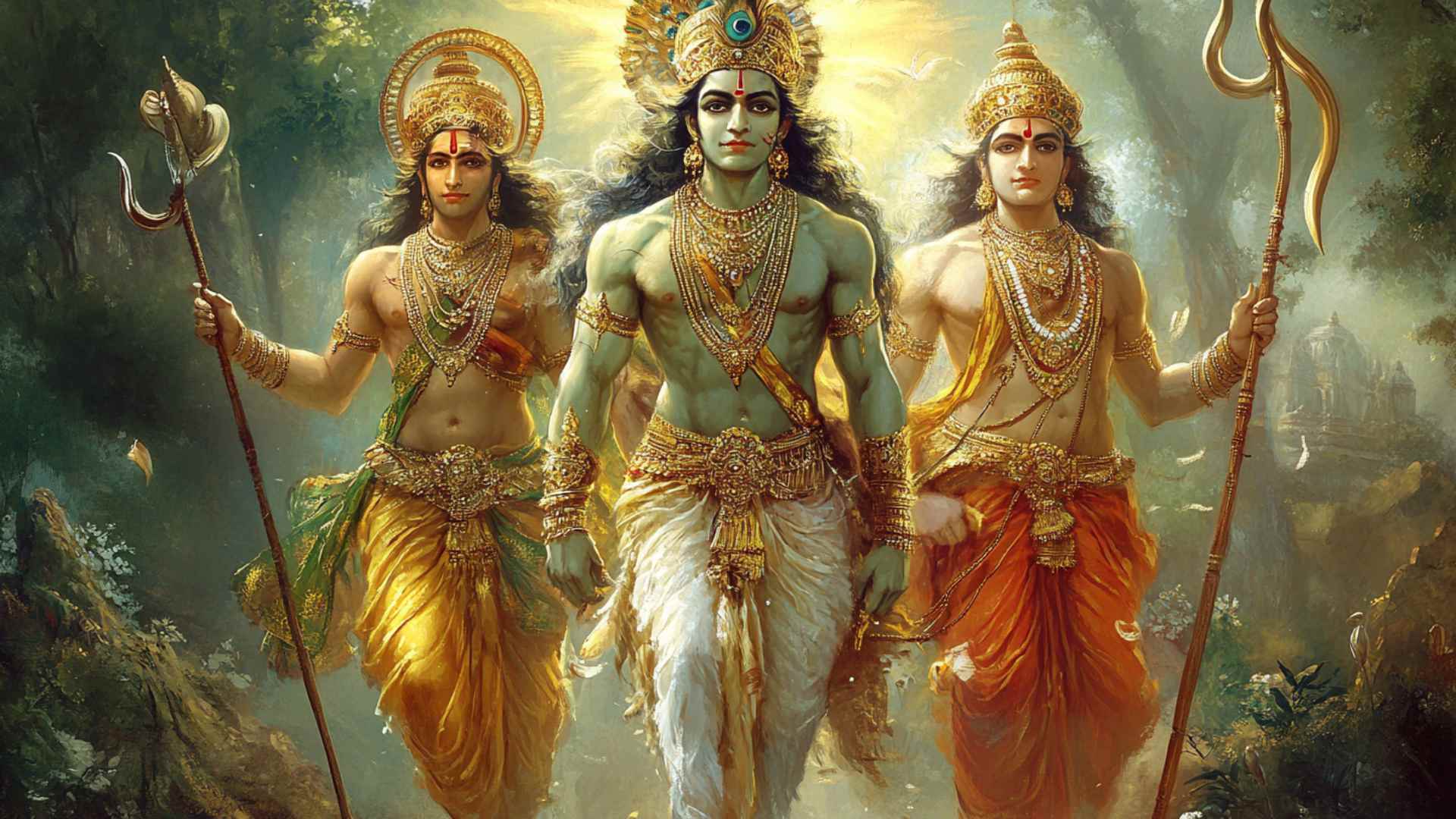
Viṣṇu’s Avatars & Vaishnavism
Q: How many principal avatars form the Daśāvatāra?
A: Ten, though lists vary slightly.
Q: Which is the fish avatar saving Manu?
A: Matsya, rescuer during the deluge.
Q: Which turtle supports the churning mountain?
A: Kūrma, pivot for Mandara.
Q: Which boar rescues the Earth goddess?
A: Varāha lifting Bhūdevī.
Q: Which man-lion slays Hiraṇyakaśipu?
A: Narasiṃha at twilight.
Q: Which dwarf subdues the asura-king Bali?
A: Vāmana with three strides.
Q: Which axe-wielding warrior fights tyrannical kṣatriyas?
A: Paraśurāma.
Q: Which prince defeats Rāvaṇa?
A: Rāma of Ayodhyā.
Q: Which cowherd-god plays the flute?
A: Kṛṣṇa of Vṛndāvana and Dvārakā.
Q: Which avatar is yet to appear?
A: Kalki, future rider.
Q: Which jewel adorns Viṣṇu’s chest?
A: Kaustubha, from the ocean.
Q: What is Viṣṇu’s conch called?
A: Pāñcajanya.
Q: Name Viṣṇu’s eagle mount.
A: Garuḍa, foe of serpents.
Q: What serpent is Viṣṇu’s cosmic couch?
A: Śeṣa (Ananta).
Q: Who is Kṛṣṇa’s elder brother?
A: Balarāma, plough-wielding.
Q: Which foster mother raised Kṛṣṇa in Gokul?
A: Yaśodā.
Q: Which demoness tried to poison infant Kṛṣṇa?
A: Pūtanā.
Q: In which river did Kṛṣṇa subdue Kāliya?
A: Yamunā.
Q: Which alluring form does Viṣṇu take as an enchantress?
A: Mohinī.
Q: Which text is central to bhakti Vaishnavism?
A: Bhāgavata Purāṇa (Śrīmad Bhāgavatam).
Q: What is the name of Viṣṇu’s discus?
A: Sudarśana Chakra.
Goddesses & Śakti Traditions
Q: Who is the consort of Śiva?
A: Pārvatī, also called Umā.
Q: Which goddess embodies wisdom and the arts?
A: Sarasvatī, with vīṇā.
Q: Which goddess signifies wealth and prosperity?
A: Lakṣmī, lotus-seated.
Q: Which warrior goddess slays Mahiṣāsura?
A: Durgā, Mahiṣāsuramardinī.
Q: Which fierce form drinks Raktabīja’s blood?
A: Kālī.
Q: Who is Pārvatī’s earlier birth?
A: Satī, daughter of Dakṣa.
Q: What are the tantric sacred power sites called?
A: Śakti Pīṭhas.
Q: Which festival celebrates nine nights of the Goddess?
A: Navarātri, ending with Vijayadaśamī.
Q: Lakṣmī’s traditional vāhana in iconography?
A: The owl (Ulūka).
Q: Sarasvatī’s usual vehicle?
A: The swan, sometimes a peacock.
Q: Which river is personified as a goddess?
A: Gaṅgā Devī.
Q: Who is Madurai’s fish-eyed goddess?
A: Mīnākṣī, queen of Madurai.
Q: Which aspect grants food and nourishment?
A: Annapūrṇā.
Q: What composite form unites Śiva and Śakti halves?
A: Ardhanārīśvara.
Q: In Vaishnavism, whom is Rādhā understood to be?
A: Kṛṣṇa’s supreme Śakti.
Q: Which South Indian mother goddess cures pox?
A: Māriamman (folk Śakti).
Q: What is the collective of ten wisdom goddesses?
A: Daśa Mahāvidyās.
Q: Whose incarnation is Sītā traditionally considered?
A: Lakṣmī.
Q: Where is Draupadī widely worshiped as a village goddess?
A: Tamil Nadu—Draupadī Amman cults.
Q: Which goddess rides a lion or tiger in icons?
A: Durgā.
Q: Which Diwali observance honors the goddess of wealth?
A: Lakṣmī Pūjā on Amāvasyā.
Śiva & His Circle
Q: What does the name “Śiva” commonly mean?
A: The auspicious one.
Q: Which mountain is his mythic abode?
A: Mount Kailāsa.
Q: Name Śiva’s trident.
A: Triśūla.
Q: Which river flows from his matted hair?
A: Gaṅgā, tamed descent.
Q: Who is Śiva’s bull mount?
A: Nandi, gatekeeper and vāhana.
Q: What emblem symbolizes Śiva in temples?
A: The Liṅga.
Q: Which dance depicts cosmic creation-dissolution?
A: Naṭarāja’s Tāṇḍava.
Q: What poison did Śiva swallow during churning?
A: Hālāhala; hence Nīlakaṇṭha.
Q: Name the serpent often shown on his neck.
A: Vāsuki (among nāga adornments).
Q: Who are Śiva and Pārvatī’s two sons?
A: Gaṇeśa and Kārtikeya (Skanda).
Q: Which deity removes obstacles?
A: Gaṇeśa.
Q: How did Gaṇeśa receive an elephant head?
A: Śiva replaced his head with an elephant’s.
Q: What spear does Kārtikeya wield?
A: The Vēl.
Q: Which three cities did Śiva burn as Tripurāntaka?
A: The triple asura fortresses.
Q: Which terrifying form guards cremation grounds?
A: Bhairava.
Q: What pilgrimage circuit honors Śiva’s light-liṅgams?
A: The twelve Jyotirliṅgas.
Q: By what name is Kārtikeya revered in the south?
A: Murugan.
Q: Which legendary devotee composed “Śiva Tāṇḍava Stotram”?
A: Rāvaṇa, by tradition.
Q: Which festival keeps a night vigil for Śiva?
A: Mahā Śivarātri.
Q: What crescent adorns Śiva’s head?
A: Chandra, the moon.
Q: Which ash-demon from Śiva’s boon nearly doomed him?
A: Bhasmāsura, outwitted by Mohinī.
Sacred Texts, Concepts & Cosmology
Q: Name the four Vedas in traditional order.
A: Ṛg, Yajur, Sāma, Atharva.
Q: What are the great epics called collectively?
A: Itihāsa—Rāmāyaṇa and Mahābhārata.
Q: What are the Purāṇas primarily about?
A: Mythic histories, genealogies, cosmology, theology.
Q: How many Mahāpurāṇas are traditionally counted?
A: Eighteen.
Q: What term means duty, law, right conduct?
A: Dharma.
Q: What law of action and consequence governs rebirth?
A: Karma.
Q: What liberation from rebirth is sought?
A: Mokṣa (mukti).
Q: What cycle of birth and death is called?
A: Saṃsāra.
Q: Name the four yugas in sequence.
A: Satya (Kṛta), Tretā, Dvāpara, Kali.
Q: What is the Trimūrti’s threefold function?
A: Creation, preservation, dissolution.
Q: Who are the Trimūrti deities?
A: Brahmā, Viṣṇu, Śiva.
Q: What mountain stands at the universe’s axis?
A: Mount Meru.
Q: What are the seven higher worlds called collectively?
A: Sapta Lokas—Bhū to Satya.
Q: What event churned the ocean for nectar?
A: Samudra Manthana by gods and asuras.
Q: Which goddess emerged and chose Viṣṇu during churning?
A: Lakṣmī.
Q: What name is given to Śiva after drinking poison?
A: Nīlakaṇṭha, blue-throated.
Q: What is a “kalpa” in cosmic time?
A: A day of Brahmā.
Q: What devotional repetition of sound is practiced?
A: Mantra japa.
Q: What symbol visually represents the sacred syllable?
A: Oṃkāra (Aum).
Q: What is the wish-fulfilling cow in myth?
A: Kāmadhenu.
Q: What tree is a celestial wish-fulfiller?
A: Kalpavṛkṣa.
Sacred Geography, Temples & Festivals
Q: Which city is famed as Śiva’s luminous seat, Kāśī?
A: Vārāṇasī (Banāras).
Q: Which rivers meet at the Triveṇī Saṅgam?
A: Gaṅgā, Yamunā, and mythic Sarasvatī.
Q: Name the four sites of the Kumbh Melā.
A: Haridwar, Prayagraj, Nāśik, Ujjain.
Q: Which coastal city is linked to Kṛṣṇa’s kingdom?
A: Dvārkā in Gujarat.
Q: Which city is revered as Rāma’s birthplace?
A: Ayodhyā, Uttar Pradesh.
Q: Where stands Jagannāth’s great temple and Rath Yātrā?
A: Purī, Odisha.
Q: Which hill temple is famed for Veṅkaṭeśvara?
A: Tirumala Tirupati, Andhra Pradesh.
Q: Which Tamil temple honors Mīnākṣī and Sundareshvara?
A: Madurai’s Mīnākṣī Amman Temple.
Q: Which Sun Temple resembles a stone chariot?
A: Konark, Odisha.
Q: Which Himalayan temple is a principal Chār Dham?
A: Badrināth, Uttarakhand.
Q: Which southern sea temple links to Rāma’s bridge?
A: Rāmanāthaswamy at Rāmeśvaram.
Q: Which jyotirliṅga lies on the Narmadā island?
A: Oṃkāreśvar, Madhya Pradesh.
Q: Which city hosts the Kāśī Viśvanāth Jyotirliṅga?
A: Vārāṇasī.
Q: Which festival celebrates Kṛṣṇa’s birth at midnight?
A: Janmāṣṭamī.
Q: Which festival marks Rāma’s return to Ayodhyā?
A: Dīpāvalī (Diwali).
Q: Which spring festival of colors has Purāṇic roots?
A: Holī—linked to Prahlāda and Holikā.
Q: Which victory festival follows Navarātri?
A: Vijayadaśamī (Dussehra).
Q: Which winter fast-night honors Śiva?
A: Mahā Śivarātri.
Q: Which harvest festival in Kerala honors Mahābali?
A: Ōnam, with floral aṭṭapūkkalam.
Q: Which river’s origin is worshiped at Gaṅgotrī?
A: The Bhāgīrathī/Gaṅgā source.
Q: Which Rajasthan temple venerates rats as sacred?
A: Karni Mata Temple, Deshnoke.

Ellie Simons creates and edits Random Trivia. She researches trivia using primary and authoritative sources whenever possible and is currently reviewing the site's older trivia library for accuracy, clarity, and playability. Read more on the About page.
Explore more questions in our history trivia guide.
About this quiz
Site editor: Ellie Simons. Read our Trivia Methodology to learn how questions are researched and updated. Page last updated: . Report an error.