
Eight nights, one determined little flame, and enough spelling variations to keep every copy editor humble. I put these questions in a friendly order, from the Maccabees to latkes, so you can play straight through or steal a round for dinner.
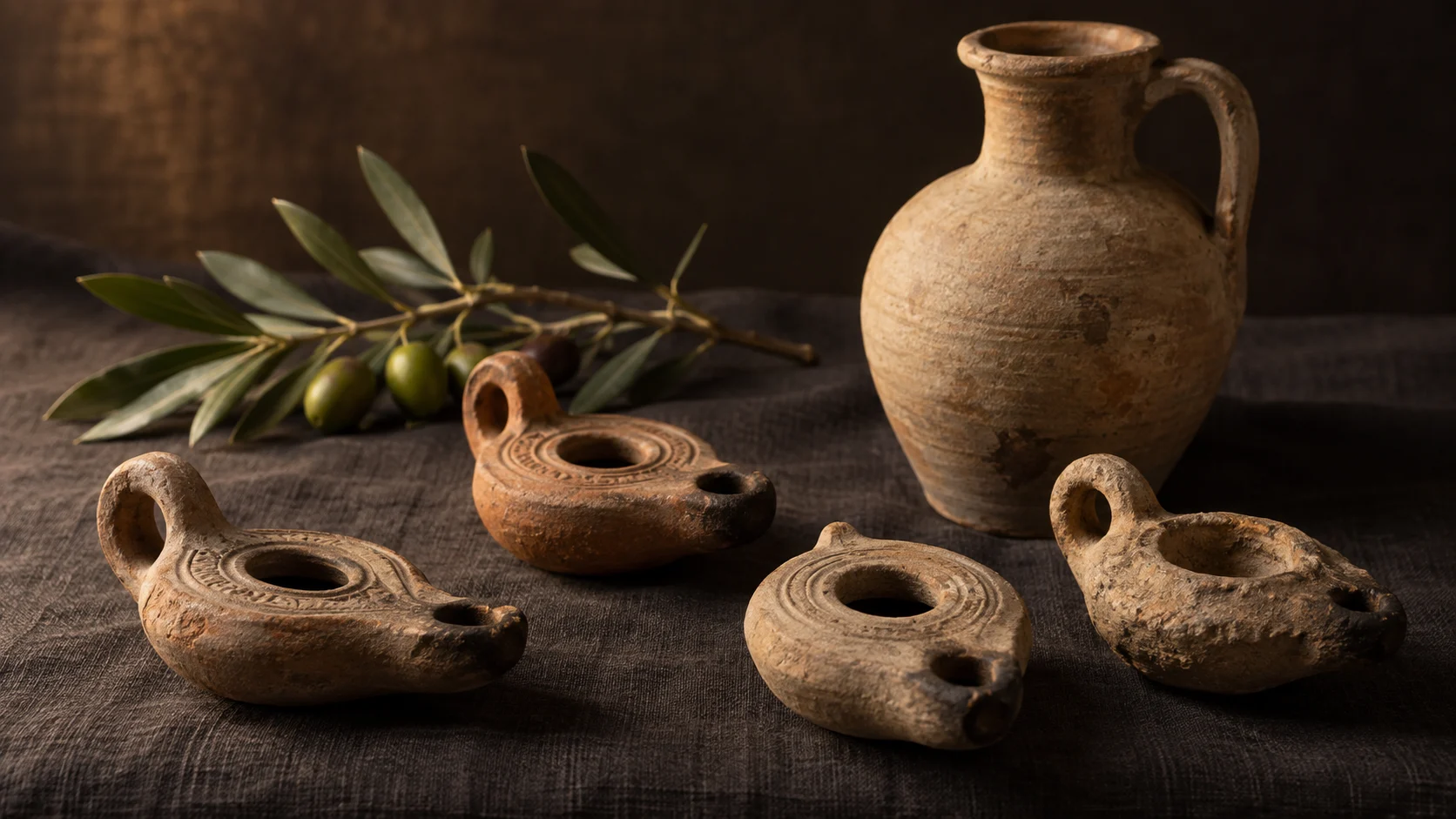
Hanukkah History, the Maccabees & the Temple
Q: What does the word Hanukkah mean?
A: It means dedication, a reference to the rededication of the Temple in Jerusalem.
Q: What major event does Hanukkah commemorate?
A: It commemorates the recovery and rededication of the Second Temple after the Maccabean revolt.
Q: In which century BCE did the events behind Hanukkah take place?
A: They took place in the second century BCE, more than 2,100 years ago.
Q: Which empire ruled Judea when the Maccabean revolt began?
A: The Seleucid Empire ruled Judea.
Q: Which Seleucid king is closely tied to the Hanukkah story?
A: Antiochus IV Epiphanes, whose policies restricted Jewish religious practice.
Q: Who was the priest traditionally credited with beginning the revolt?
A: Mattathias, a Jewish priest from Modi’in, is credited with beginning it.
Q: What family led the revolt against Seleucid rule?
A: Mattathias and his sons, the family later called the Maccabees, led it.
Q: Which son of Mattathias became the revolt’s best-known leader?
A: Judah Maccabee became its best-known military leader.
Q: What does the name Maccabee most commonly identify?
A: It identifies Judah and the Jewish rebel movement associated with his family.
Q: In what ancient region did the Hanukkah story unfold?
A: It unfolded in Judea, centered on Jerusalem.
Q: Which holy site was reclaimed and rededicated?
A: The Second Temple in Jerusalem was reclaimed and rededicated.
Q: What had happened to the Temple before its rededication?
A: It had been desecrated and used for worship that violated Jewish law.
Q: On what Hebrew date was the Temple rededicated?
A: The rededication began on the 25th of Kislev.
Q: How long did the original rededication celebration last?
A: It lasted eight days, which is one historical reason the holiday spans eight nights.
Q: Which ancient books give the earliest detailed account of the revolt?
A: First and Second Maccabees give the earliest detailed accounts.
Q: Are the Books of Maccabees part of the Jewish Bible?
A: No, they are important historical texts but are not in the Jewish biblical canon.
Q: Which later Jewish text tells the story of one day’s oil lasting eight days?
A: The Babylonian Talmud records that famous oil tradition.
Q: How much usable oil was said to be found in the Temple?
A: Only enough ritually pure oil for one day was found.
Q: How long did that small supply of oil reportedly burn?
A: It reportedly burned for eight days, long enough to prepare more oil.
Q: Why is Hanukkah often called the Festival of Lights?
A: Its nightly lights recall the Temple menorah and the tradition of the lasting oil.
Q: Was Hanukkah commanded in the Torah?
A: No, it began after the Torah period and is a rabbinically observed holiday.
Q: Which Jewish dynasty grew out of the Maccabean victory?
A: The Hasmonean dynasty grew out of the revolt.
Q: Was the Maccabean struggle only a military conflict?
A: No, it also involved religious freedom, cultural pressure, and divisions within Jewish society.
Q: What did Antiochus IV forbid as part of his religious crackdown?
A: Practices including Sabbath observance and circumcision were forbidden.
Q: What altar was set up in the Jerusalem Temple under Antiochus IV?
A: An altar associated with Zeus was installed there.
Q: What does the Temple’s rededication symbolize in the holiday story?
A: It symbolizes restored Jewish worship and communal self-determination.
Q: Did the Maccabees defeat the entire Seleucid Empire?
A: No, they won control in Judea through a longer struggle against a much larger empire.
Q: Who succeeded Judah Maccabee after his death?
A: His brother Jonathan took leadership, followed later by their brother Simon.
Q: Why does Hanukkah last eight nights instead of one?
A: The duration recalls both the eight-day rededication and the later tradition of oil lasting eight days.
Q: What central idea connects the military and oil traditions?
A: Both tell of a small resource enduring against long odds, which I would call excellent holiday plotting.
Menorah Lighting, Blessings & the Hanukkah Calendar
Q: How many branches does a Hanukkah menorah usually have?
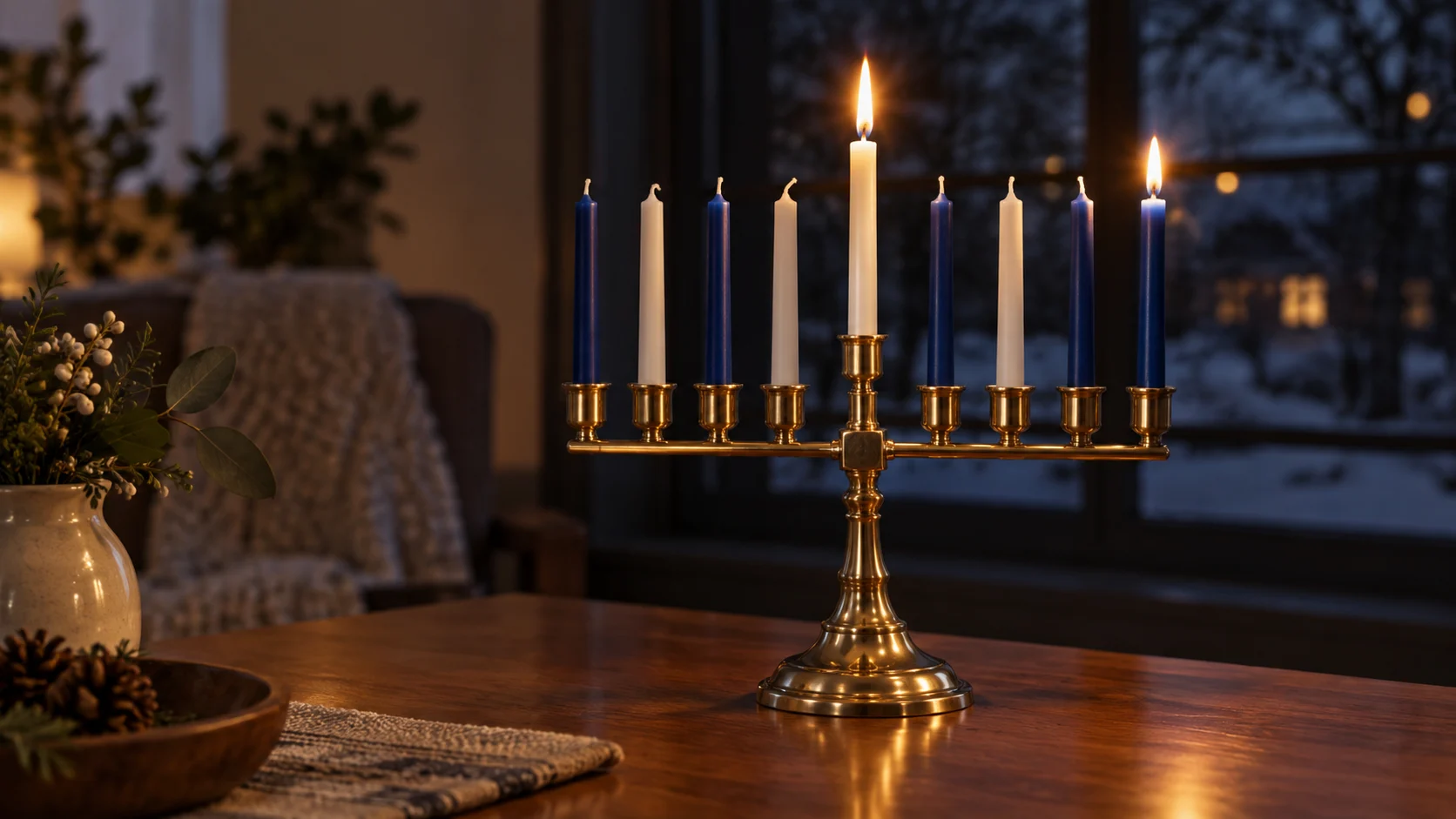
A: It has nine branches: eight for the nights and one for the helper light.
Q: What is the specific name for a Hanukkah lamp?
A: It is often called a hanukkiah, although menorah is common in everyday American English.
Q: What is the shamash?
A: The shamash is the helper candle used to light the other Hanukkah candles.
Q: Why is the shamash set apart from the other lights?
A: It has a practical role and is usually placed higher, lower, or otherwise separate.
Q: How many Hanukkah lights are kindled on the first night?
A: One holiday light is kindled, plus the shamash.
Q: How many holiday lights are kindled on the eighth night?
A: All eight holiday lights are kindled, plus the shamash.
Q: How many holiday candles are used across all eight nights?
A: Thirty-six holiday candles are used, not counting the shamash candles.
Q: How many candles are needed for all eight nights when the shamash is counted?
A: Forty-four candles are needed, so yes, that little box is doing real work.
Q: In which direction are candles commonly placed in the hanukkiah?
A: They are commonly placed from right to left as each new night is added.
Q: In which direction are the Hanukkah lights commonly kindled?
A: The newest light is kindled first, so lighting proceeds from left to right.
Q: When are Hanukkah lights generally kindled?
A: They are generally kindled around nightfall, though exact practice varies by community.
Q: Where is a hanukkiah traditionally placed?
A: It is placed where its light can be seen, often near a window or doorway.
Q: What Jewish value is expressed by displaying the Hanukkah lights?
A: It publicizes the miracle, an idea known as pirsumei nisa.
Q: May electric lights replace ritual Hanukkah candles in every tradition?
A: Not generally for the core ritual, though electric hanukkiahs are widely used for display and safety.
Q: What fuels can be used for Hanukkah lights?
A: Candles are common, while olive oil lamps follow the Temple-oil theme especially closely.
Q: How long should Hanukkah lights ordinarily remain burning?
A: They should burn for at least about 30 minutes after nightfall in common practice.
Q: How many blessings are recited before lighting on the first night?
A: Three blessings are recited in the usual order.
Q: How many blessings are normally recited before lighting on later nights?
A: Two are recited, because the seasonal Shehecheyanu blessing is usually reserved for the first night.
Q: Which blessing thanks God for reaching a special occasion?
A: The Shehecheyanu blessing does that.
Q: What song is commonly sung after lighting the menorah?
A: Maoz Tzur, often called Rock of Ages in English, is commonly sung.
Q: What short passage is often recited after lighting?
A: Hanerot Halalu is often recited, explaining the sacred purpose of the lights.
Q: May the Hanukkah lights be used as ordinary room lighting?
A: Traditionally no, because they are viewed rather than used for practical tasks.
Q: Why does the shamash help with the rule against practical use?
A: Its extra light can serve ordinary needs, leaving the eight ritual lights set apart.
Q: On which Hebrew calendar date does Hanukkah begin?
A: It begins on the 25th of Kislev.
Q: Does Hanukkah begin in the morning or at sundown?
A: Like Jewish calendar dates generally, it begins at sundown.
Q: Why does Hanukkah move around on the Gregorian calendar?
A: The Hebrew calendar follows lunar months adjusted to the solar year, so dates shift annually.
Q: Which Hebrew months can contain part of Hanukkah?
A: It begins in Kislev and usually ends in Tevet.
Q: Can Hanukkah begin in November?
A: Yes, its Gregorian dates can begin in late November or in December.
Q: Can Hanukkah overlap with Christmas?
A: Yes, the calendars sometimes place part or all of Hanukkah around December 25.
Q: Is work forbidden during Hanukkah as it is on some major Jewish holidays?
A: No, Hanukkah has no general work prohibition, although candle-lighting time remains special.
Dreidels, Latkes, Gelt & Family Traditions
Q: What is a dreidel?
A: It is a four-sided spinning top used in a traditional Hanukkah game.
Q: Which four Hebrew letters appear on most dreidels outside Israel?
A: Nun, gimel, hei, and shin appear on them.
Q: What phrase do those four letters represent outside Israel?
A: They stand for nes gadol haya sham, meaning a great miracle happened there.
Q: Which letter commonly replaces shin on dreidels in Israel?
A: Pe replaces shin.
Q: What phrase does an Israeli dreidel represent?
A: Nes gadol haya po, meaning a great miracle happened here.
Q: What happens when a player spins nun in the common dreidel game?
A: Nothing is taken or added, and play moves on.
Q: What happens when a player spins gimel?
A: The player takes the entire pot, which is the spin everyone suddenly becomes very religious about.
Q: What happens when a player spins hei?
A: The player takes half the pot, usually rounding up if needed.
Q: What happens when a player spins shin or pe?
A: The player puts one game piece into the pot.
Q: What items are often used as dreidel game pieces?
A: Coins, nuts, raisins, candy, or chocolate gelt can all do the job.
Q: What does the Yiddish word gelt mean?
A: It means money.
Q: What is chocolate gelt?
A: It is coin-shaped chocolate, usually wrapped in gold or silver foil.
Q: What were children historically given before chocolate gelt became popular?
A: They were often given real coins or small gifts of money.
Q: What potato dish is strongly associated with Ashkenazi Hanukkah celebrations?
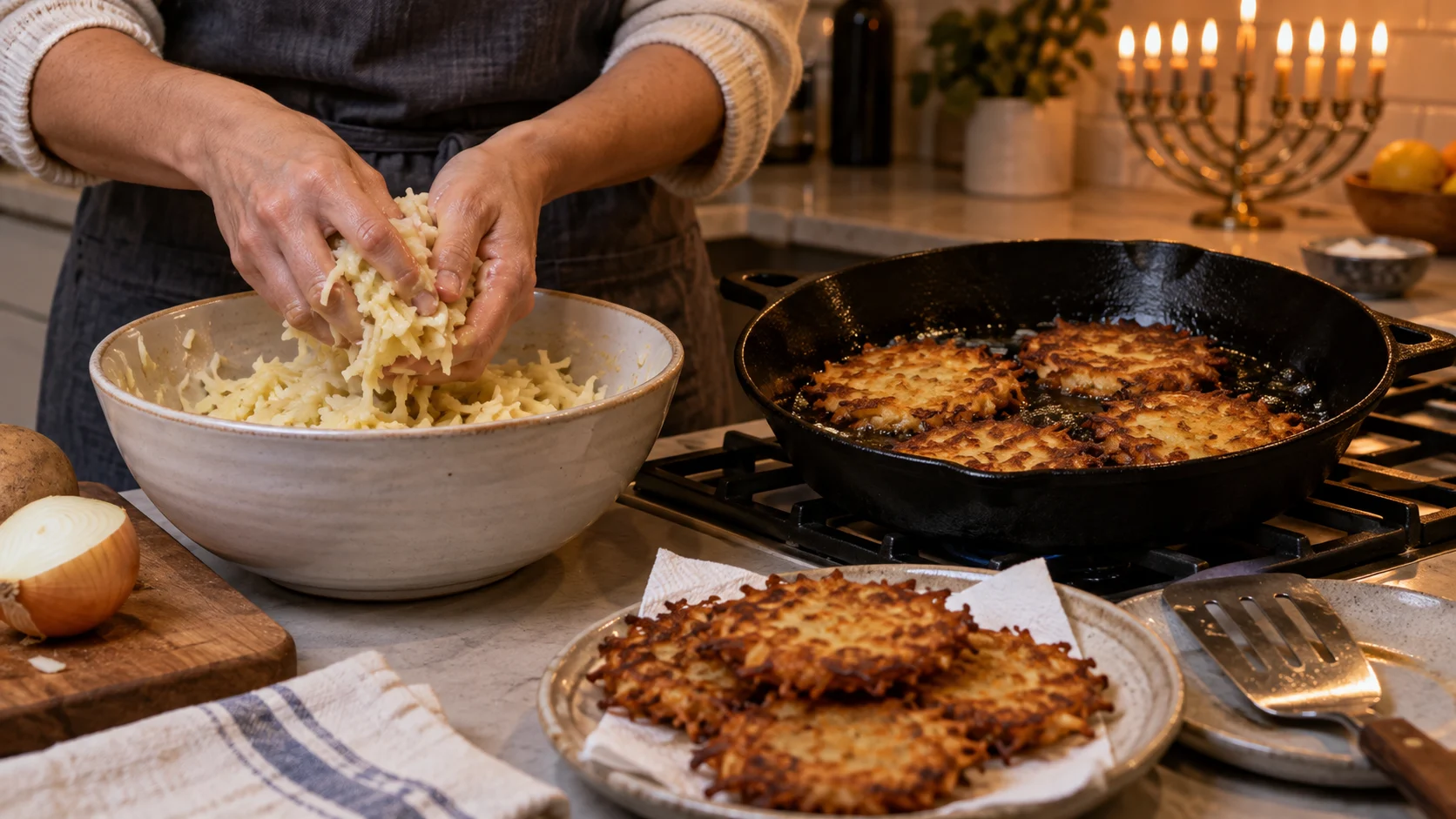
A: Latkes, crisp potato pancakes fried in oil, are the classic answer.
Q: What is a common English name for latkes?
A: They are commonly called potato pancakes.
Q: Which two toppings inspire unusually strong latke opinions?
A: Applesauce and sour cream, so I recommend serving both and preserving family peace.
Q: What jelly-filled pastry is popular for Hanukkah in Israel?
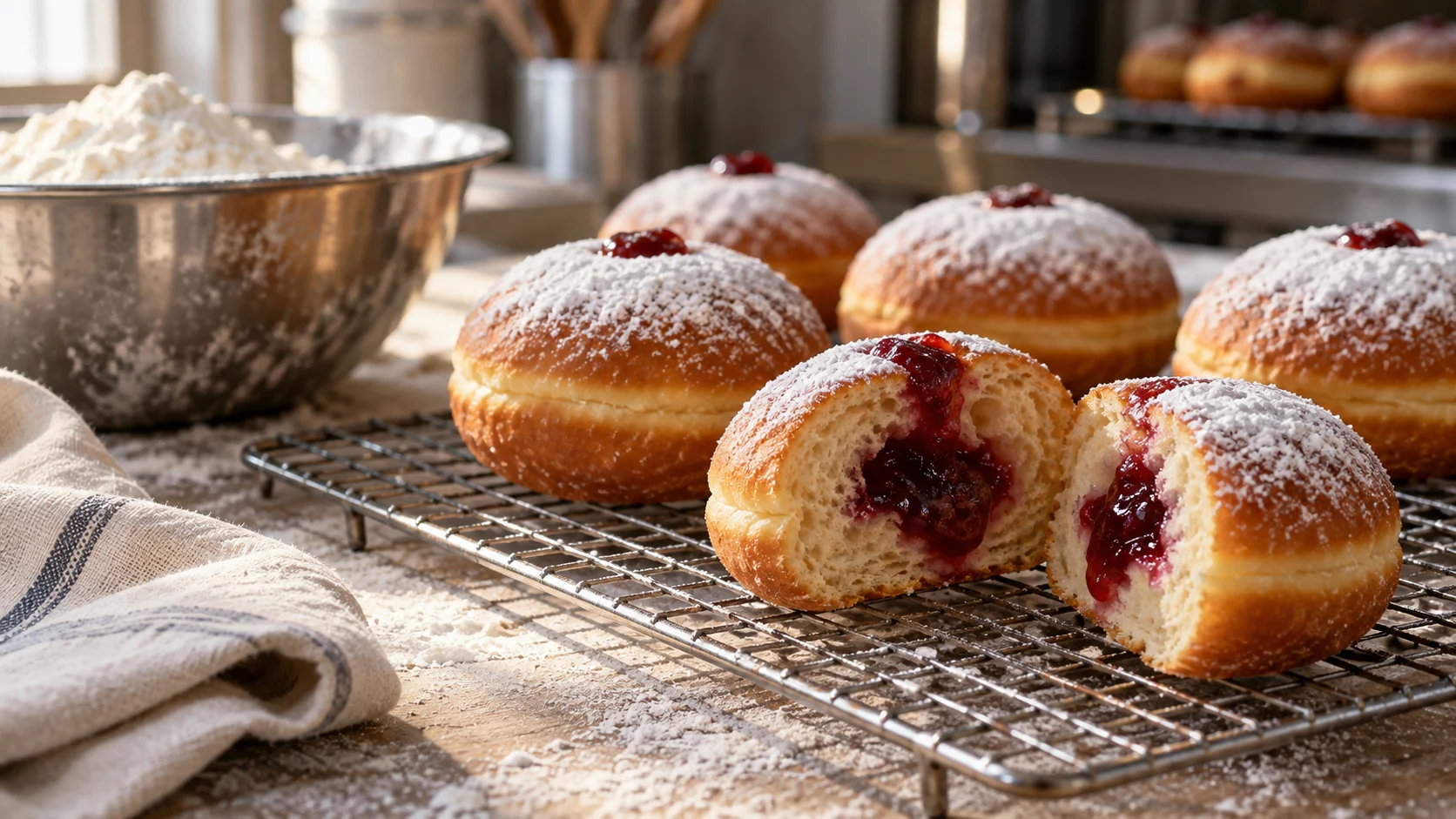
A: Sufganiyot, round doughnuts fried in oil, are especially popular.
Q: Why are fried foods eaten during Hanukkah?
A: Their oil recalls the Temple oil in the holiday tradition.
Q: What dairy food is linked to some Hanukkah traditions?
A: Cheese and other dairy foods appear in customs connected with the story of Judith.
Q: Who is Judith in a story sometimes associated with Hanukkah?
A: She is a Jewish heroine said to have defeated an enemy commander after feeding him salty cheese and wine.
Q: Are latkes the only traditional Hanukkah food?
A: No, Jewish communities around the world serve many oil-fried and regional dishes.
Q: What Sephardic fritters are sometimes served during Hanukkah?
A: Bimuelos or buñuelos, often sweet fried dough, are served in some Sephardic homes.
Q: What North African fried pastry may appear at Hanukkah?
A: Sfenj, a ring-shaped fried dough, appears in some North African Jewish traditions.
Q: What is a common modern Hanukkah gift custom?
A: Families may exchange presents, especially in North America.
Q: Is gift-giving required for Hanukkah?
A: No, it is a popular custom rather than a required religious practice.
Q: What kind of giving is encouraged alongside receiving gifts?
A: Tzedakah, or charitable giving, is often emphasized.
Q: What colors are commonly used in modern Hanukkah decorations?
A: Blue, white, and silver are common, though they are customs rather than ritual requirements.
Q: What children’s activity often follows menorah lighting?
A: Families may play dreidel, sing songs, trade gelt, or open gifts.
Q: Why is olive oil an especially fitting choice for frying or lighting?
A: It connects directly with the oil used in the ancient Temple tradition.
Q: What is the safest move when someone asks whether sour cream or applesauce belongs on a latke?
A: Say both are traditional choices and quietly take another latke, an answer that has saved dinners.
Hanukkah Language, Songs & Wider Culture
Q: Why can Hanukkah also be spelled Chanukah?
A: Hebrew sounds do not map perfectly into English letters, so several transliterations are accepted.
Q: Which spelling is especially common in American news writing?
A: Hanukkah is especially common, though Chanukah is equally recognizable.
Q: What Hebrew letter begins the word Hanukkah?
A: Chet begins the word, producing a throaty sound English lacks.
Q: What is Hanukkah called in Hebrew?
A: It is called Chanukah, written with Hebrew letters from right to left.
Q: What Hebrew phrase means the commandment of lighting the Hanukkah lamp?
A: Hadlakat ner Chanukah refers to lighting the Hanukkah light.
Q: What prayer addition is recited during Hanukkah?
A: Al Hanissim, which thanks God for miracles, is added to the Amidah and Grace After Meals.
Q: What does Al Hanissim recount?
A: It recounts the Maccabean victory and the rededication of the sanctuary.
Q: Is the Hallel prayer recited during Hanukkah?
A: Yes, full Hallel is recited on all eight days in traditional liturgy.
Q: Is the Torah read during Hanukkah?
A: Yes, special Torah readings relate to the dedication offerings in the wilderness sanctuary.
Q: Which weekly Jewish observance can occur during Hanukkah?
A: Shabbat always occurs at least once during the eight-day holiday.
Q: What is Shabbat Hanukkah?
A: It is the Sabbath that falls during Hanukkah, with special readings and liturgy.
Q: Can two Sabbaths fall during one Hanukkah?
A: Yes, the holiday’s timing can include two Sabbaths.
Q: What is Rosh Chodesh Tevet?
A: It is the beginning of the Hebrew month of Tevet, which always falls during Hanukkah.
Q: What song asks a series of questions about lighting and playing?
A: I Have a Little Dreidel is a familiar English-language Hanukkah song.
Q: What material is the dreidel made from in the best-known English lyric?
A: The lyric says it is made out of clay.
Q: What Yiddish song shares the dreidel tune’s cultural fame?
A: Ikh Bin A Kleyner Dreydl is a well-known Yiddish version.
Q: Which modern Hanukkah song was written by Adam Sandler?
A: The Chanukah Song, first performed on Saturday Night Live, is his comic holiday roll call.
Q: What does the phrase chag sameach mean?
A: It means happy holiday and works as a cheerful Hanukkah greeting.
Q: What simple English greeting is always appropriate during the festival?
A: Happy Hanukkah is perfectly appropriate, with no pronunciation gymnastics required.
Q: Is Hanukkah the Jewish equivalent of Christmas?
A: No, they are separate holidays with different histories, meanings, and religious importance.
Q: Is Hanukkah one of the holiest days in the Jewish calendar?
A: No, it is beloved, but holidays such as Yom Kippur and Passover carry greater religious weight.
Q: Why did Hanukkah become especially visible in the United States?
A: Its winter timing and family customs made it prominent within a Christmas-centered public season.
Q: Where is a large public hanukkiah often displayed in Washington, D.C.?
A: A National Menorah is traditionally lit near the White House grounds.
Q: Which U.S. president was the first to light a menorah at the White House?
A: Bill Clinton lit one during a 1993 ceremony.
Q: Which U.S. president hosted the first official White House Hanukkah party?
A: George W. Bush hosted it in 2001.
Q: Which astronaut celebrated Hanukkah symbols in space in 1993?
A: Jeffrey Hoffman brought a small menorah and a dreidel aboard Space Shuttle Endeavour.
Q: Why could Hoffman not light ordinary candles aboard the shuttle?
A: An open flame would be unsafe in a spacecraft, so he used a small travel menorah without lighting it.
Q: What is the ninth branch of a hanukkiah a useful quiz trap for?
A: It catches anyone who says a Hanukkah menorah has only eight branches, and I have fallen for meaner traps.
Q: What broad themes make Hanukkah meaningful beyond its rituals?
A: Religious freedom, perseverance, identity, memory, and bringing light into darkness all shape the holiday.
Q: What should a respectful Hanukkah trivia host remember?
A: Traditions vary among families and Jewish communities, so present common practices without treating one custom as universal.
How Did You Score?
If you knew why candles go in one direction and are lit in the other, I am impressed. If you mainly knew the latke questions, I respect your priorities just as much.

Ellie Simons creates and edits Random Trivia. She researches trivia using primary and authoritative sources whenever possible and is currently reviewing the site's older trivia library for accuracy, clarity, and playability. Read more on the About page.
About this quiz
Site editor: Ellie Simons. Read our Trivia Methodology to learn how questions are researched and updated. Page last updated: . Report an error.
Leave a comment