
Tokyo can feel like several cities sharing one rail map, and I mean that as a compliment. These questions move from Edo history to train etiquette, temple gates, tiny bars, sumo salt, movie monsters, and the station exit that definitely was not the one I wanted.
Edo, Tokyo, Government & Geography
Q: What is the capital of Japan?
A: Tokyo. It has served as the national capital since the emperor moved there in 1868.
Q: What was Tokyo called before 1868?
A: Edo. The name means estuary or bay entrance.
Q: Which shogunate made Edo its political base?
A: The Tokugawa shogunate. It ruled Japan from 1603 to 1867.
Q: Which emperor moved the imperial residence from Kyoto to Tokyo?
A: Emperor Meiji. The move came during the Meiji Restoration.
Q: What does the name Tokyo mean?
A: Eastern capital. That translation makes the city’s relationship to Kyoto easier to remember.
Q: On which Japanese island is Tokyo located?
A: Honshu. It is Japan’s largest island.
Q: Which bay borders central Tokyo?
A: Tokyo Bay. The bay opens into the Pacific Ocean.
Q: What is Tokyo’s official administrative designation?
A: Tokyo Metropolis. In Japanese, the unit is called Tokyo-to.
Q: How many special wards make up Tokyo’s former city area?
A: Twenty-three. Each ward has its own elected mayor and assembly.
Q: Which ward contains the Imperial Palace?
A: Chiyoda. The palace occupies the former site of Edo Castle.
Q: Which government building houses the Tokyo Metropolitan Government?
A: The Tokyo Metropolitan Government Building. Its twin towers stand in Shinjuku.
Q: Which district contains Japan’s National Diet Building?
A: Nagatacho. It is part of Chiyoda ward.
Q: What river runs along Tokyo’s eastern side before reaching Tokyo Bay?
A: The Sumida River. Several well-known bridges cross it.
Q: Which river forms part of Tokyo’s boundary with Kanagawa Prefecture?
A: The Tama River. It flows into Tokyo Bay.
Q: What mountain is Tokyo’s highest point?
A: Mount Kumotori. Its summit reaches about 6,617 feet.
Q: Which mountain in western Tokyo is a popular hiking destination?
A: Mount Takao. A rail connection makes it an easy day trip.
Q: What major earthquake devastated Tokyo and Yokohama in 1923?
A: The Great Kanto Earthquake. Fires caused much of the destruction.
Q: What date did the Great Kanto Earthquake strike?
A: September 1, 1923. Japan now observes that date as Disaster Prevention Day.
Q: What wartime attacks destroyed large sections of Tokyo in 1945?
A: American incendiary air raids. The March 9 to 10 raid was especially destructive.
Q: Which international event did Tokyo host in 1964?
A: The Summer Olympics. They were the first Olympic Games held in Asia.
Q: Which international event returned to Tokyo in 2021 under a 2020 name?
A: The Tokyo 2020 Summer Olympics. The pandemic delayed them by one year.
Q: What former city was merged into Tokyo Metropolis in 1943?
A: Tokyo City. Its former territory was reorganized as the twenty-three special wards in 1947.
Q: Which era turned Edo into one of the world’s largest cities?
A: The Edo period. Growth followed the Tokugawa government’s establishment there.
Q: What alternate attendance policy helped Edo grow under the shoguns?
A: Sankin-kotai. Feudal lords maintained residences and spent alternating periods in Edo.
Q: What castle became the center of Tokugawa rule?
A: Edo Castle. The Imperial Palace now occupies part of its grounds.
Q: Which gate became infamous after the 1860 assassination of Ii Naosuke?
A: Sakuradamon Gate. The incident occurred outside Edo Castle.
Q: What 1703 revenge story is associated with Sengakuji Temple?
A: The story of the forty-seven ronin. Their graves are at the temple.
Q: Which museum in Ryogoku covers the history of Edo and Tokyo?
A: The Edo-Tokyo Museum. Its main building has undergone a long renovation.
Q: What disaster-prevention feature is common in Tokyo neighborhoods?
A: Designated evacuation areas and emergency supply points. Earthquake planning is part of city life.
Q: Which tectonic setting contributes to Tokyo’s earthquake risk?
A: Japan’s location near several converging tectonic plates. The region experiences frequent seismic activity.
Stations, Neighborhoods, Towers & Temples
Q: Which station is a major Shinkansen terminal beside the Marunouchi business district?
A: Tokyo Station. Its restored red-brick Marunouchi building opened in 1914.
Q: Which station is famous for handling an enormous volume of passengers and trains?
A: Shinjuku Station. Its many operators and exits can humble even confident navigators.
Q: Which rail loop connects many of central Tokyo’s busiest districts?
A: The Yamanote Line. Its stops include Shinjuku, Shibuya, Ueno, and Tokyo.
Q: Which company operates much of Tokyo’s subway network alongside Toei?
A: Tokyo Metro. Toei Subway is run by the metropolitan government.
Q: What prepaid cards are commonly tapped for trains and small purchases in Tokyo?
A: Suica and PASMO. Both work across many compatible transit systems and stores.
Q: Which crossing outside Shibuya Station fills from several directions at once?
A: Shibuya Scramble Crossing. Elevated windows make popular viewing spots.
Q: Which dog is honored by a statue outside Shibuya Station?
A: Hachiko. The Akita became famous for waiting for his deceased owner.
Q: Which neighborhood is known for major department stores and luxury shopping?
A: Ginza. Its main avenue often becomes pedestrian-only on weekend afternoons.
Q: Which neighborhood is strongly associated with electronics, games, and anime shops?
A: Akihabara. It was once especially known as an electronics marketplace.
Q: Which district is known for youth fashion along Takeshita Street?
A: Harajuku. The street begins near Harajuku Station.
Q: Which avenue near Harajuku is lined with flagship fashion stores?
A: Omotesando. Its zelkova trees form a recognizable boulevard.
Q: Which Shinjuku alley is packed with tiny bars?
A: Golden Gai. Many of its establishments have only a handful of seats.
Q: Which Shinjuku lane is known for small yakitori shops?
A: Omoide Yokocho. Its name translates roughly as Memory Lane.
Q: Which historic district centers on Sensoji Temple?
A: Asakusa. Nakamise shopping street leads toward the temple.
Q: What is Tokyo’s oldest established Buddhist temple?
A: Sensoji. Tradition dates its founding to 628.
Q: What giant lantern hangs at Sensoji’s outer gate?
A: The lantern at Kaminarimon, or Thunder Gate. It is one of Asakusa’s best-known sights.
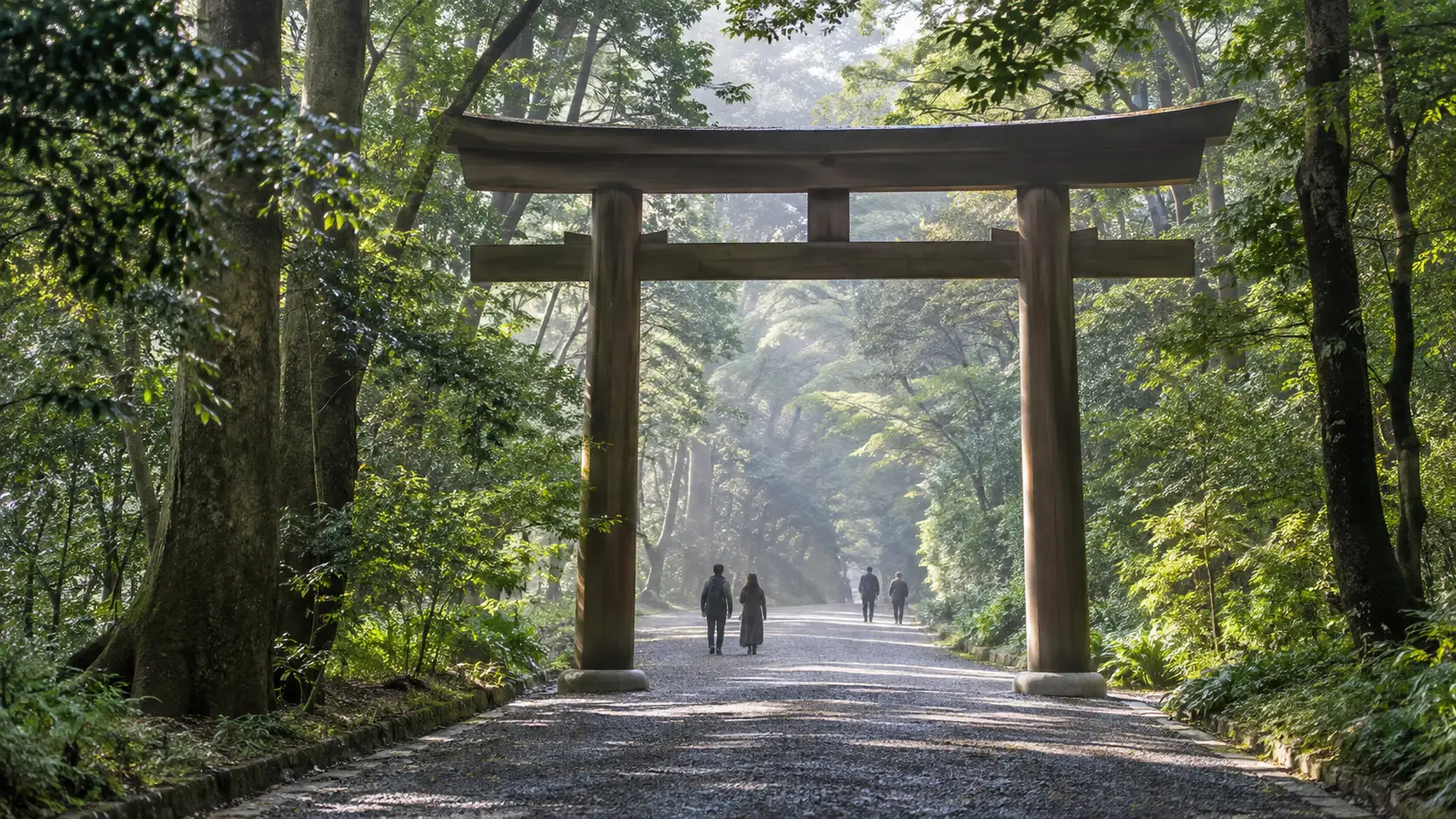
Q: Which shrine sits beside a large forest near Harajuku?
A: Meiji Shrine. It honors Emperor Meiji and Empress Shoken.
Q: Which park contains museums, a zoo, and major cherry blossom paths?
A: Ueno Park. It occupies land once connected to Kaneiji Temple.
Q: What is Japan’s oldest zoo?
A: Ueno Zoo. It opened in 1882.
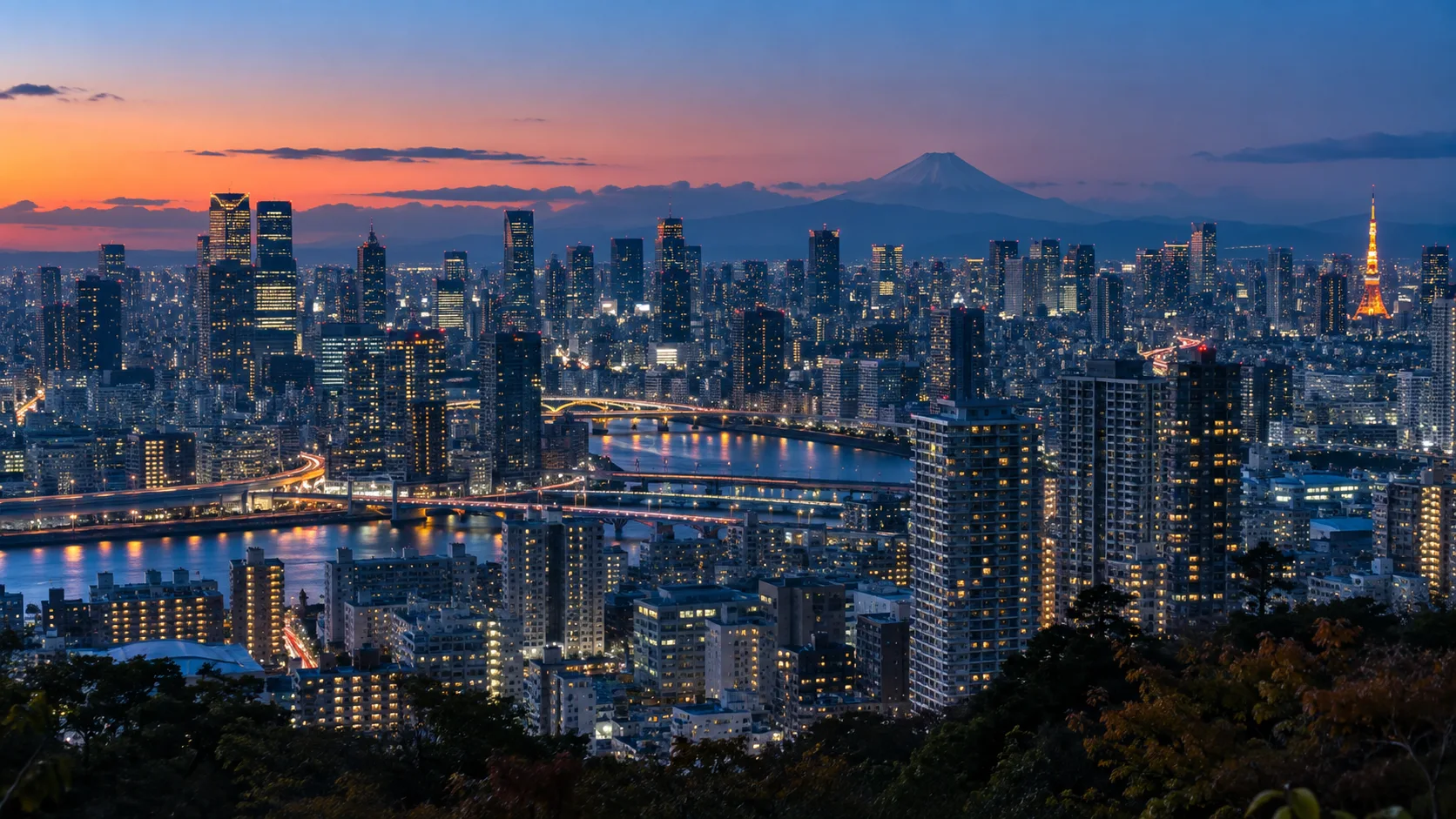
Q: Which tower was inspired by the Eiffel Tower and painted orange and white?
A: Tokyo Tower. It opened in 1958.
Q: Which broadcasting tower is the tallest structure in Japan?
A: Tokyo Skytree. It stands 2,080 feet tall.
Q: Which artificial island area features shopping, museums, and Rainbow Bridge views?
A: Odaiba. Much of it sits on reclaimed land in Tokyo Bay.
Q: Which bridge connects central Tokyo with the Odaiba waterfront?
A: Rainbow Bridge. It carries road traffic and the Yurikamome line.
Q: Which market replaced Tsukiji as Tokyo’s main wholesale seafood market?
A: Toyosu Market. Wholesale operations moved there in 2018.
Q: What remains at Tsukiji after the wholesale market moved?
A: The outer market. Its shops and restaurants still draw food lovers.
Q: Which garden once belonged to the Tokugawa family and borders Tokyo Bay?
A: Hama-rikyu Gardens. A tidal pond brings seawater into the grounds.
Q: Which garden is celebrated for carefully composed landscapes in Bunkyo?
A: Rikugien Gardens. Its name refers to the six principles of poetry.
Q: Which former daimyo garden contains a pond crossed by distinctive bridges?
A: Koishikawa Korakuen. It is one of Tokyo’s oldest gardens.
Q: Which observation decks sit in Shinjuku’s metropolitan government headquarters?
A: The Tokyo Metropolitan Government Building observatories. Admission has traditionally been free.
Q: Which street runs through the high-rise business side of Shinjuku Station?
A: Nishi-Shinjuku. Its skyline includes hotels and government offices.
Food, Festivals, Seasons & Everyday Etiquette
Q: What blossom season brings hanami picnics to Tokyo parks?
A: Cherry blossom season. It usually peaks around late March or early April.
Q: Which park is known for evening cherry blossom viewing along a pond?
A: Ueno Park. Crowds gather beneath long rows of flowering trees.
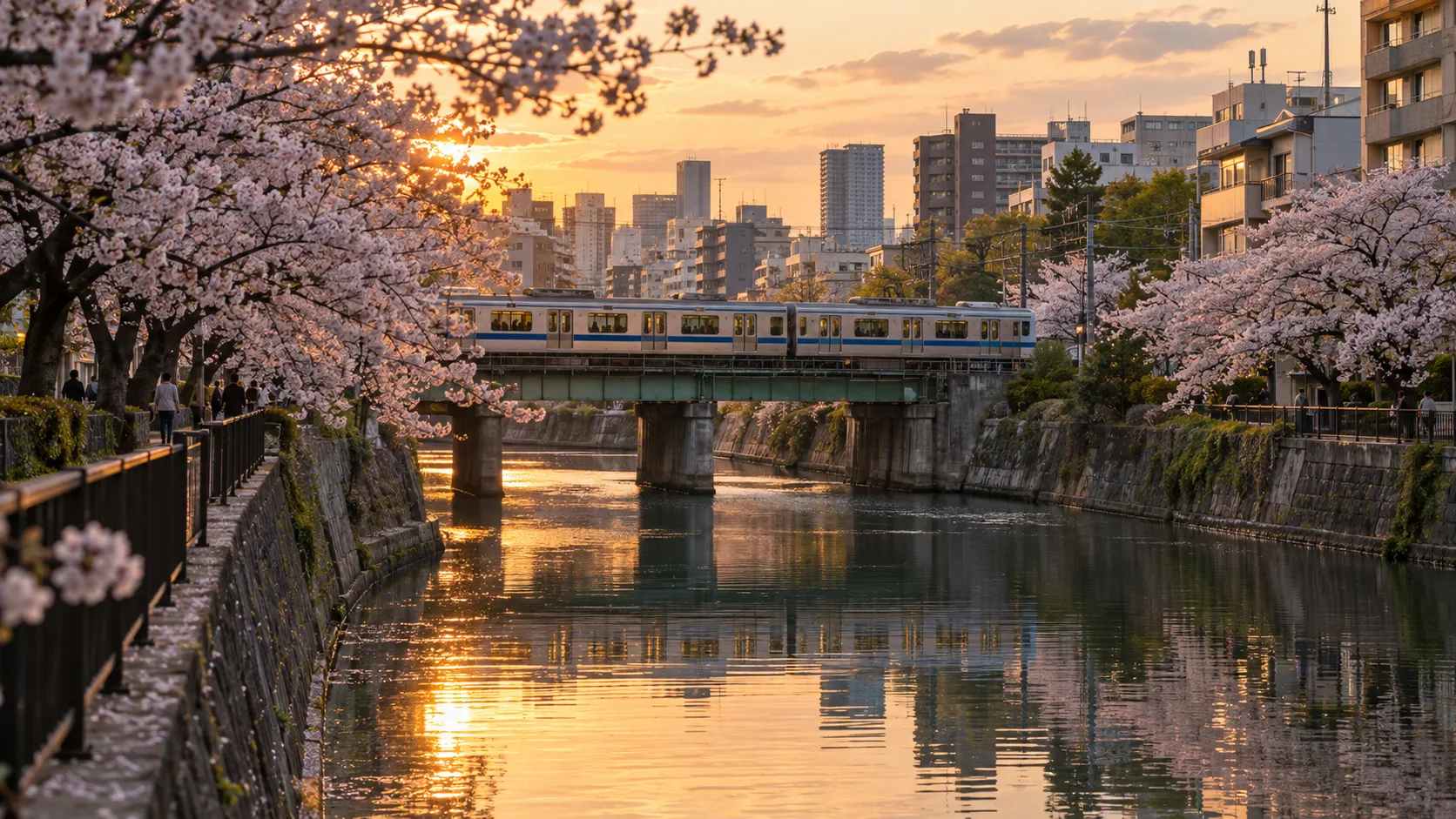
Q: Which canal-like waterway becomes a cherry blossom corridor near Nakameguro?
A: The Meguro River. Petals often collect on the water after peak bloom.
Q: What summer festival sends a huge fireworks display over the Sumida River?
A: The Sumida River Fireworks Festival. Its roots reach back to the Edo period.
Q: Which shrine hosts the Sanja Matsuri in May?
A: Asakusa Shrine. The festival fills the surrounding streets with portable shrines.
Q: What is a mikoshi?
A: A portable Shinto shrine. Festival participants carry it through neighborhood streets.
Q: What noodle dish is commonly served in styles such as shoyu, shio, and miso?
A: Ramen. Tokyo is especially associated with soy sauce-based bowls.
Q: What is monjayaki?
A: A savory, runny batter dish cooked on a griddle. Tsukishima is famous for it.
Q: Which neighborhood has a street nicknamed Monja Street?
A: Tsukishima. Diners cook monjayaki on tabletop griddles.
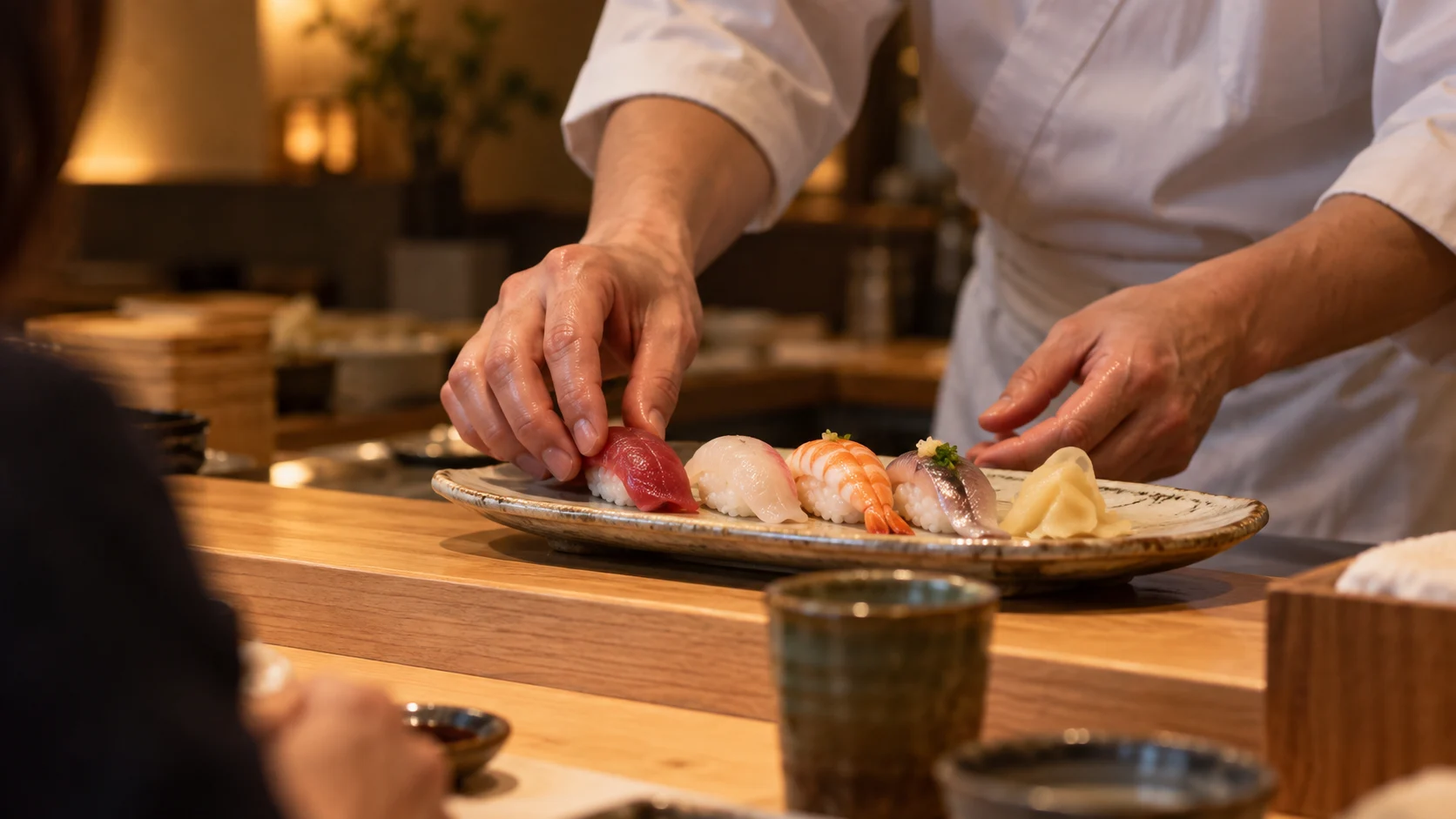
Q: What Edo-born sushi style pairs vinegared rice with toppings?
A: Nigiri sushi, part of Edomae sushi tradition. Edo Bay seafood originally shaped the style.
Q: What does Edomae literally refer to?
A: In front of Edo. The term historically pointed to seafood from waters near the city.
Q: What fried dish developed into a popular food in Edo?
A: Tempura. Vendors helped make it a quick urban meal.
Q: What skewered chicken dish is common in Tokyo’s small drinking spots?
A: Yakitori. Different skewers feature specific cuts of chicken.
Q: What type of establishment is an izakaya?
A: A casual drinking and dining place. Shared small dishes are common.
Q: What boxed meal is sold at railway stations for train trips?
A: An ekiben. The word combines station and boxed meal.
Q: What convenience stores are called in everyday Japanese?
A: Konbini. They sell meals, drinks, tickets, and practical services.
Q: What are vending machines especially easy to find throughout Tokyo?
A: Drinks. Hot and cold choices often share the same machine.
Q: What footwear rule commonly applies inside Japanese homes?
A: Outdoor shoes come off at the entrance. Indoor slippers may be provided.
Q: What phrase is commonly said before eating?
A: Itadakimasu. It expresses appreciation for receiving the meal.
Q: What phrase is commonly said after finishing a meal?
A: Gochisosama deshita. It thanks those responsible for the food.
Q: What is an onsen?
A: A hot spring bath. Tokyo also has sento public bathhouses that may use heated tap water.
Q: What is a sento?
A: A public bathhouse. It differs from an onsen because natural hot spring water is not required.
Q: Which district is known for kitchenware and plastic food models?
A: Kappabashi. Its shops serve restaurants and enthusiastic home cooks.
Q: What are depachika?
A: Department store basement food halls. They are excellent places to browse prepared foods and sweets.
Q: Which winter illumination custom brightens Tokyo shopping districts?
A: Seasonal light displays. Major districts compete with elaborate installations.
Q: What rainy season usually reaches Tokyo in early summer?
A: Tsuyu. It generally falls between spring and the hottest part of summer.
Q: What weather event can disrupt Tokyo transit in late summer and fall?
A: Typhoons. Rail operators may reduce or suspend service for safety.
Q: What etiquette helps keep Tokyo trains quiet?
A: Passengers generally speak softly and silence phone ringtones. Calls inside cars are discouraged.
Q: What colored seating is reserved for passengers who need extra consideration?
A: Priority seats. They are intended for older, injured, pregnant, or disabled passengers.
Q: What orderly habit appears on Tokyo train platforms?
A: Passengers line up at marked boarding positions. They let riders exit before entering.
Sports, Theater, Museums, Movies & Pop Culture
Q: Which sumo arena stands in Ryogoku?
A: Ryogoku Kokugikan. Tokyo’s major sumo tournaments are held there.
Q: How many grand sumo tournaments does Tokyo normally host each year?
A: Three. They are scheduled in January, May, and September.
Q: Which baseball team plays at Tokyo Dome?
A: The Yomiuri Giants. The enclosed stadium opened in 1988.
Q: What nickname is commonly given to Tokyo Dome?
A: The Big Egg. Its air-supported roof inspired the name.
Q: Which baseball team plays at Meiji Jingu Stadium?
A: The Tokyo Yakult Swallows. The stadium also hosts university baseball.
Q: Which sport is associated with the Kokugikan and ceremonial salt throwing?
A: Sumo wrestling. Wrestlers scatter salt as a purification ritual.
Q: Which performing art uses stylized movement, elaborate makeup, and male actors?
A: Kabuki. The Kabukiza theater in Ginza is a major venue.
Q: Which theater in Ginza is Tokyo’s leading kabuki venue?
A: Kabukiza. Its current building combines a traditional facade with a modern tower.
Q: What masked classical theater form is performed at the National Noh Theatre?
A: Noh. It often pairs with comic kyogen pieces.
Q: Which storytelling art features a seated performer with a fan and cloth?
A: Rakugo. One performer voices multiple characters.
Q: Which district contains many small live music clubs and vintage clothing shops?
A: Shimokitazawa. Its compact streets have a strong independent culture.
Q: Which neighborhood is known for jazz cafes, bookstores, and relaxed streets west of Shinjuku?
A: Kichijoji. Nearby Inokashira Park adds green space.
Q: Which museum in Mitaka celebrates the films of Studio Ghibli?
A: The Ghibli Museum. Entry requires a timed ticket.
Q: Which filmmaker co-founded Studio Ghibli and directed Spirited Away?
A: Hayao Miyazaki. The studio is based in Koganei, Tokyo.
Q: Which Tokyo district became a global shorthand for anime and game culture?
A: Akihabara. Character shops and arcades cluster around the station.
Q: Which shopping complex in Nakano is known for collectibles and manga?
A: Nakano Broadway. Its upper floors contain many specialty stores.
Q: What enormous creature appears on a hotel terrace in Shinjuku?
A: Godzilla. The head rises above the Toho Cinemas building in Kabukicho.
Q: Which neighborhood is Tokyo’s best-known nightlife and entertainment district?
A: Kabukicho. It occupies part of Shinjuku.
Q: Which digital art collective created immersive exhibitions in Tokyo?
A: teamLab. Its installations use projection, light, sound, and responsive technology.
Q: Where does a giant Unicorn Gundam statue stand in Odaiba?
A: Outside DiverCity Tokyo Plaza. It transforms at scheduled times.
Q: Which filmmaker directed Tokyo Story?
A: Yasujiro Ozu. The 1953 film examines an aging couple visiting their children.
Q: Which monster frequently attacks or crosses Tokyo in Japanese movies?
A: Godzilla. The character first appeared in the 1954 film.
Q: Which fashion district became associated with colorful street styles and cosplay?
A: Harajuku. Its style scenes have changed repeatedly over time.
Q: Which annual gathering celebrates comics made and sold by independent creators?
A: Comic Market, or Comiket. It is held at Tokyo Big Sight.
Q: What is Tokyo Big Sight?
A: A convention and exhibition center in Ariake. Its inverted-pyramid conference tower is easy to spot.
Q: Which waterfront district housed the Olympic Village during Tokyo 2020?
A: Harumi. The district sits on reclaimed land beside Tokyo Bay.
Q: What stadium replaced Tokyo’s original 1964 Olympic stadium?
A: Japan National Stadium. The new venue hosted ceremonies and athletics during Tokyo 2020.
Q: Which Tokyo concert hall is famous for performances by the Tokyo Philharmonic and visiting artists?
A: Suntory Hall. It opened in the Akasaka district in 1986.
Q: Which museum in Ueno holds an extensive collection of Japanese and Asian art?
A: Tokyo National Museum. It is Japan’s oldest national museum.
Q: Which Tokyo neighborhood inspired the name of a fashion-forward style in music and design?
A: Shibuya. Shibuya-kei emerged from the district’s 1990s music scene.
How Did You Score?
If Hachiko, monjayaki, the Yamanote Line, and the difference between Tokyo Tower and Tokyo Skytree all stayed in their lanes, that is a strong score. I am celebrating by choosing one Shinjuku exit and pretending it was deliberate.

Ellie Simons creates and edits Random Trivia. She researches trivia using primary and authoritative sources whenever possible and is currently reviewing the site's older trivia library for accuracy, clarity, and playability. Read more on the About page.
About this quiz
Site editor: Ellie Simons. Read our Trivia Methodology to learn how questions are researched and updated. Page last updated: . Report an error.